Strapping Challenges in the Timber Industry
The timber industry faces challenging conditions daily. Loads are heavy, and stacks of plywood, sawn timber, and stacked boards shift easily during transport.
Traditional metal strapping, including galvanised strapping from hardware suppliers, can cut into wood and create safety risks for workers. Many sites still rely on rope or occy straps, which are unreliable and prone to failure.
This has driven a move toward high-performance PET strapping bands. PET strapping offers strong, consistent load restraint while being safer to handle and more suitable for timber transport and storage.
The Real Demands of Timber Load Configuration
Timber and lumber loads are heavy, prone to moisture, and subject to constant shifting during handling and transportation. As timber dries, it compresses and shrinks, while vibration from roads, rails, and sea freight increases the likelihood of load shift.
Palletised loads require consistent pallet strapping to hold the layers together. At the same time, unitised timber packs rely on strap tension to maintain their shape from mill to destination. Many operations are moving away from improvised solutions and toward high-performance PET strapping, which manages compression, absorbs shock, and maintains tension. The result is safer handling, cleaner warehouse workflows, and more reliable outcomes for export timber.
Why common alternatives fall short:
- Steelstrapping: Falls short due to corrosion risk, sharp edges, safety hazards, rebound risk, and higher handling and disposal costs.
- Composite strapping: Designed for heavy loads with shock absorption and retained tension. Falls short on consistency for automated lines, bulkier storage, and higher unit cost compared to PET in high-volume operations.
- Woven polyester strapping: Strong and flexible with good impact resistance. Falls short due to limited tension retention over time and manual application requirements.
- Galvanised wire tying: Seen in some sawmills or rough timber handling.
- Falls short due to inconsistent tension, poor load stability, safety concerns, and non-compliance with modern handling standards.
For exporting timber, consistent and compliant strapping helps meet customer and shipping requirements, protects product integrity during transit, and supports smoother inspections at both the port of origin and the destination. For timber yards managing output, exports, and compliance, this inconsistency is driving a clear shift toward high-performance PET strapping. PET delivers high-tensile strength without sharp edges, improves warehouse efficiency, and provides a safer, more consistent solution for timber transport and storage.
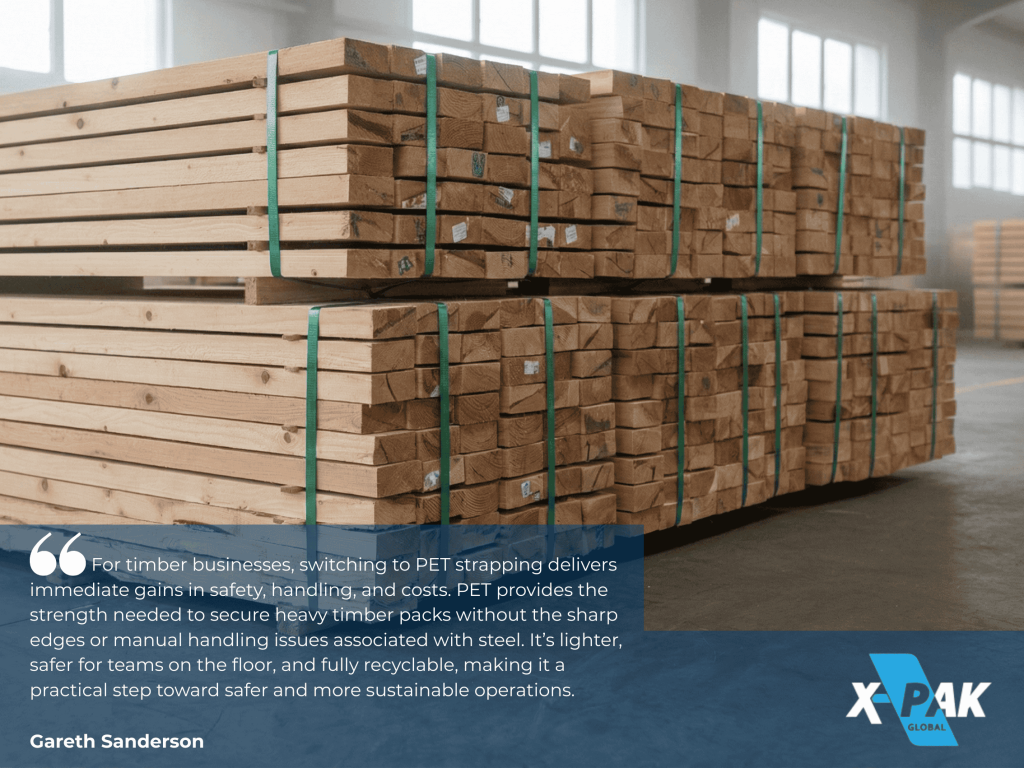
“For timber businesses, switching to PET strapping delivers immediate gains in safety, handling, and costs. PET provides the strength needed to secure heavy timber packs without the sharp edges or manual handling issues associated with steel. It’s lighter, safer for teams on the floor, and fully recyclable, making it a practical step toward safer and more sustainable operations,” says Gareth Sanderson, Load Restraint Specialist at X-Pak Global
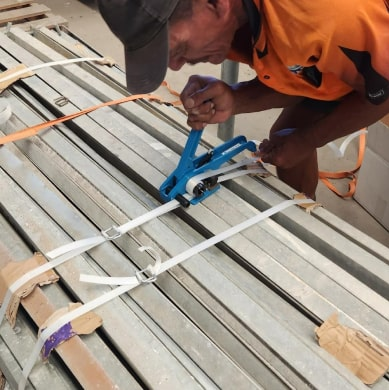
What Is High-Performance PET Strapping?
High-performance PET strapping is a polyester strapping band engineered for heavy industrial loads. It’s often made from recycled PET and delivers high tensile strength with controlled elongation, allowing it to absorb shock without snapping.
Unlike steel strapping, PET stretches slightly under load, then recovers, which helps maintain tension and reduces load shift during transport.
Designed for use with:
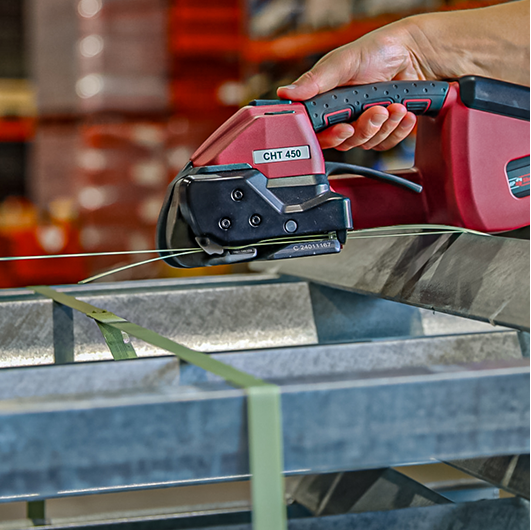
- Timber strapping machines: Deliver consistent tension for dense timber packs
- Semi-auto and automatic systems: Runs smoothly at speed with reliable seals
- Complete PET strapping kit setups: Works seamlessly with tools, battery strapping machines, and dispensers
This combination makes PET strapping ideal for heavy timber, plywood, and bundled lumber that tend to Across Australia, timber producers are increasingly moving away from steel strapping, not because it is weak, but because it is risky and inefficient on busy sites.
PET strapping provides a safer and more practical alternative without compromising performance. Here are a few reasons why:
- Strength Without the Safety Risks
PET strapping delivers high tensile strength, making it well-suited for heavy timber packs and palletised loads. Unlike steel or aluminium strapping, it has no sharp edges, which significantly reduces the risk of cuts and hand injuries during handling and tensioning.
- Better Load Stability Over Time
Timber loads are exposed to vibration, braking forces, and road shock during transport. PET strapping absorbs this movement and maintains tension, helping prevent the loosening that commonly occurs with rigid metal strapping.
- Faster and More Consistent Strapping Operations
PET strapping works seamlessly with modern timber strapping machines, allowing for faster cycles and more consistent tension. This improves throughput in sawmills and timber yards without relying on highly specialised labour. Industry studies and case data show that semi-automatic and automatic strapping systems can significantly reduce strapping time compared to manual methods.
- Reduced Damage to Timber Products
With smooth edges and controlled tension, PET strapping protects timber surfaces and packaging. This makes it ideal for finished, treated, or appearance-grade timber where product damage is costly.
PET Strapping vs Common Timber Restraint Alternatives
When securing timber, not all restraint methods handle weight, movement, and distance equally.
|
PET vs Ratchet strapping for long-distance freight |
PET vs Webbing and Woven strapping in industrial settings |
|
Ratchet straps can loosen over time as timber settles. PET strapping maintains consistent tension, reducing load shift across long road or rail runs. |
Webbing works well for reusable systems, but can be bulky. PET offers a cleaner, machine-applied solution for high-volume timber operations. |
Read more: Steel vs PET Strapping: Key Differences and When to Use Each
Why does PET perform better for stacked timber loads?
PET distributes pressure evenly across packs, helping stabilise vertical stacks without cutting into timber edges.
When should PET be paired with edge protectors?
For rough-sawn or sharp-edged timber, edge protectors prevent strap damage and improve overall load security.
Sustainability and Compliance Benefits for Timber PET Strapping Operations
PET strapping supports more sustainable timber operations without compromising performance. Made from recyclable materials, it generates less waste on-site and contributes to a safer working environment. For builders, manufacturers, and exporters, this helps meet growing sustainability and compliance expectations, particularly where environmental reporting and eco-friendly sourcing are now standard requirements.
Read more: How to Recycle PET Strapping
Choosing the Right PET Strapping Setup for Timber Loads
- Selecting the right PET strapping kit
Start with a kit that matches your load size and strapping volume. For timber packs, this typically means high-tensile PET strapping, along with compatible tensioners that provide consistent and repeatable restraint.
- Matching strap width and thickness to timber weight
Heavier or denser timber needs wider, thicker PET strapping to control load movement. Lighter packs can use a narrower strap, provided it still meets load restraint requirements.
- When to upgrade to a strapping machine
If you’re strapping high volumes or long packs daily, a strapping machine improves consistency, reduces labour, and lowers injury risk compared to manual tools.
- Importance of supplier support, training, and testing
The right supplier does more than sell straps. Look for support with setup, operator training, and load testing to ensure your strapping method remains safe, compliant, and fit for purpose.
A Smarter Standard for Timber Strapping with X-Pak Global
PET strapping is increasingly adopted across Australian timber operations. PET strapping provides reliable strength, safety, and efficiency across plywood, sawn timber, and packaged lumber. Unlike steel, it reduces handling risks while supporting sustainable practices. X-Pak Global can guide you with tailored assessments, demos, or expert advice to help you choose the right strapping solution for your business. Get in touch with us today!