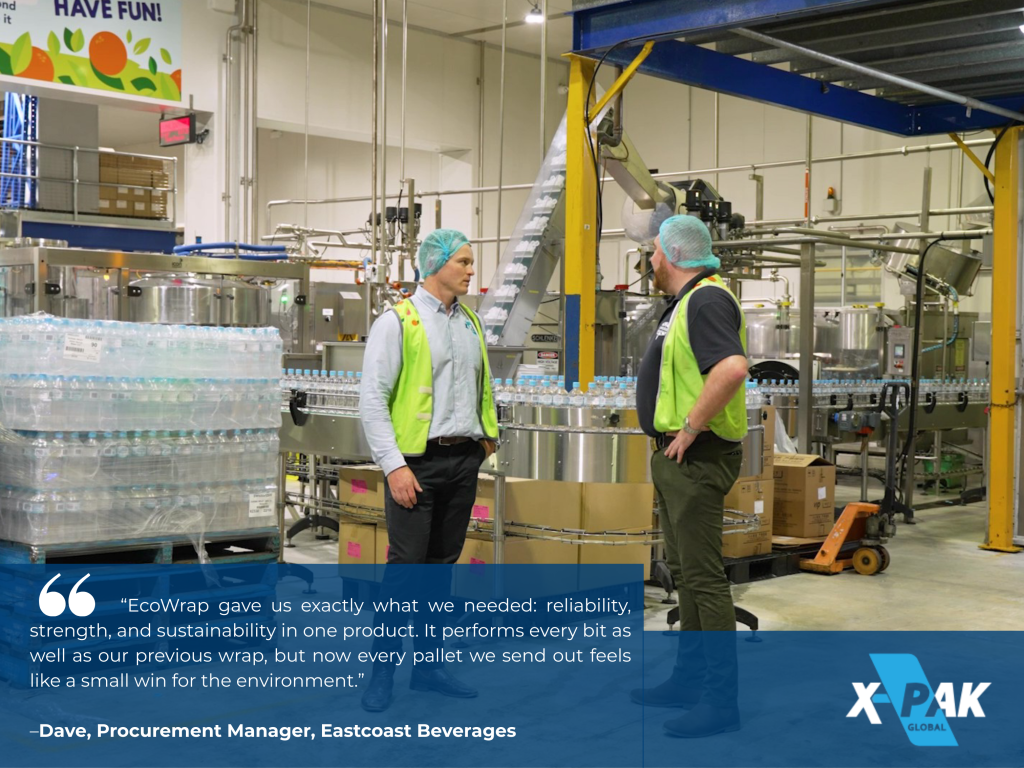
Looking for more sustainable packaging? Explore our latest EcoWrap customer case study.

Agricultural Industry

Hay and Cotton Load Restraint and PET Strapping Solutions


bales of wool

X-Pak Global supports Australian farmers and agricultural operators with high quality load restraint and packaging solutions designed for hay, cotton, and other baled products.

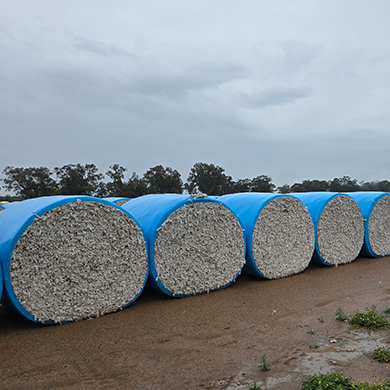
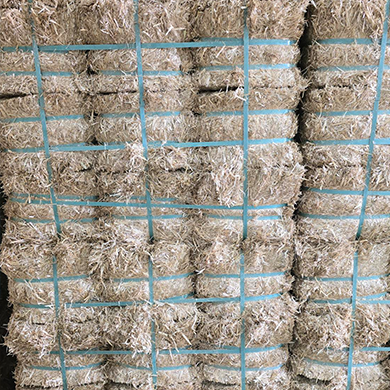
When moving hay and cotton bales by road or container, keeping loads tight, stable, and compliant is critical. Poor strapping restraint can lead to straps ‘popping’, load shift, damaged product, safety risks, and cost implications. We help reduce these risks by supplying reliable PET strapping systems and providing clear, hands-on guidance to ensure loads are secured correctly before they leave the paddock, shed, or gin.

Alongside strapping, we offer supporting, high quality, stretch film packaging and restraint products to help manage compression, movement, and transport forces. These solutions are designed to suit real agricultural conditions and high-volume seasonal movements, helping protect product quality and improve safety across the supply chain.

How We Help Hay and Cotton Producers

Our solutions are commonly used for:

  • Hay bale export
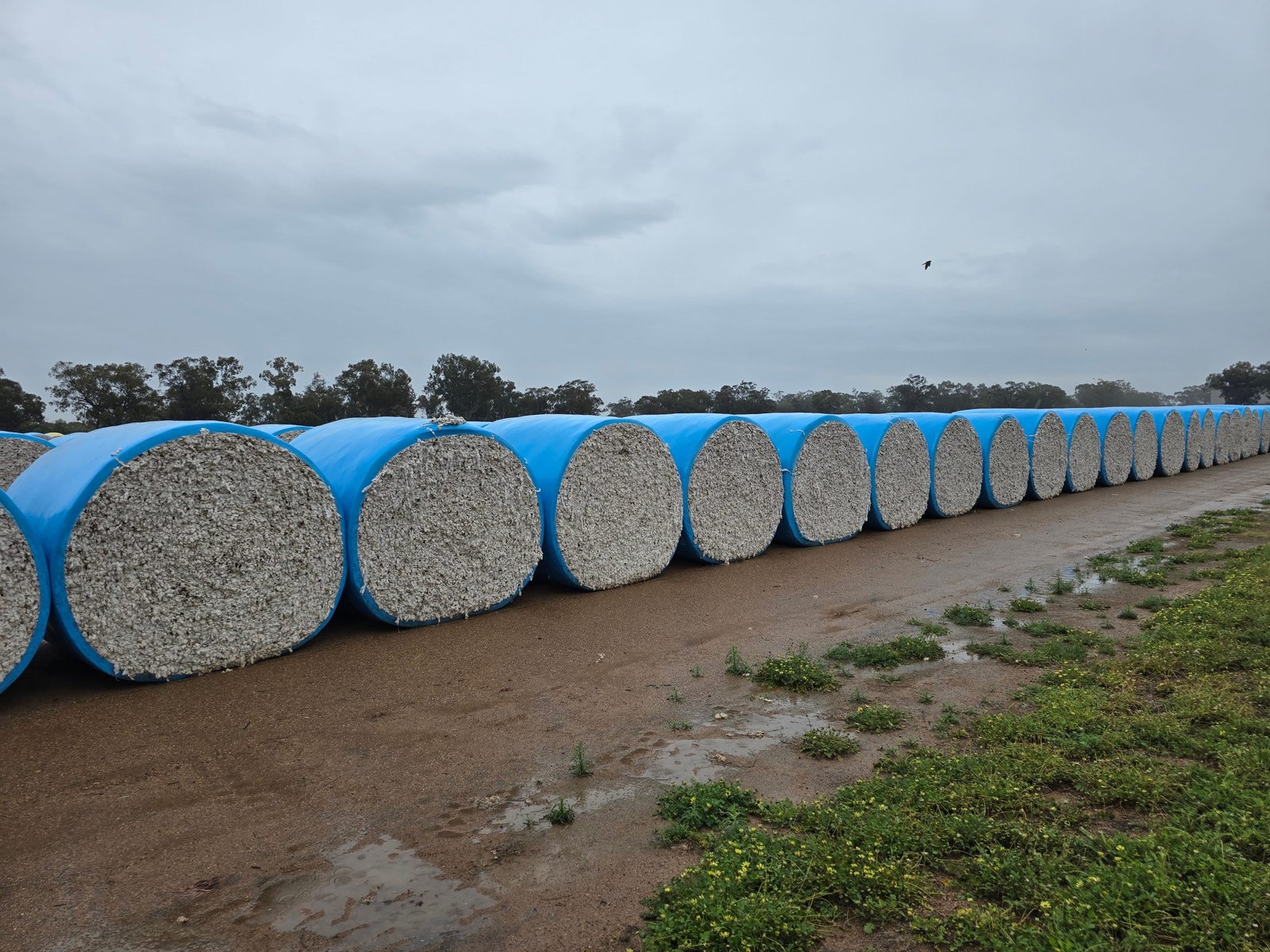
  • Cotton bale export
  • Bulk agricultural products packed for road and container transport (Grains/Pulses etc)


We work directly with farmers, cotton gins, transport operators, and exporters to ensure loads are restrained correctly and consistently.

Key Solutions for Agriculture

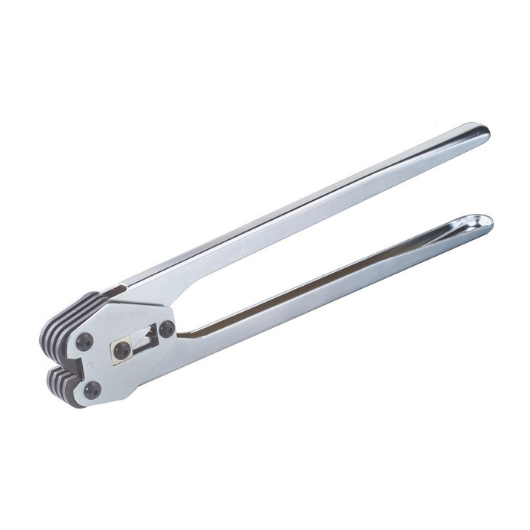
Our Product Range servicing the agricultural industry:

Customers we have helped

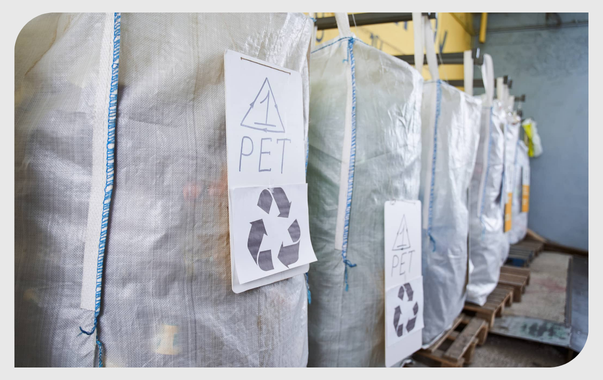
Recycle your PET strapping with X-Pak.

Reduce waste. Cut emissions. Strengthen your sustainability goals — all while keeping your operations efficient and compliant.


X-Pak’s nationwide recycling program, StrapCycle, makes it simple, safe, and seamless to recycle your PET strapping.


Close the loop with X-Pak StrapCycle today.

Any Questions? We’ve Got You Covered.

These are the most commonly asked questions. Here’s everything you need to know about how our products work in your industry.

What is PET strapping and why is it used in agriculture?

PET strapping is a high-strength plastic strapping commonly used to secure hay and cotton bales during transport and storage. It is designed to hold tension under compression, making it ideal for agricultural loads that settle or rebound during transport.

PET strapping is widely used as a safer and more flexible alternative to steel strapping in farming and cotton ginning operations.

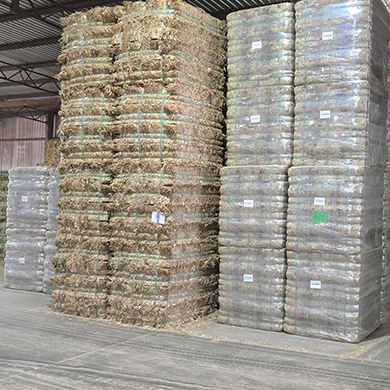
Only for export bales. PET strapping is well suited for Australian producers and exporters of hay. Hay loads can shift as they dry, compress, or settle, and PET strapping is designed to absorb movement while maintaining tension.

This helps reduce load movement, strap failure, and damage during road transport.

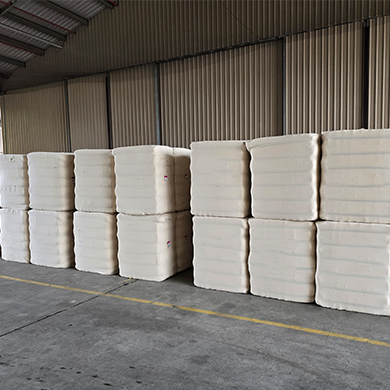
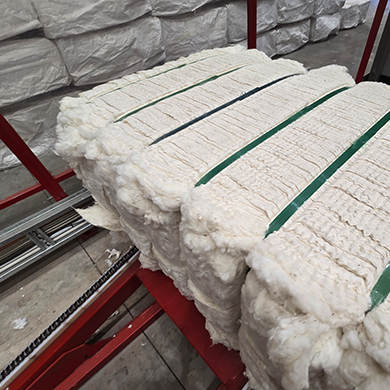
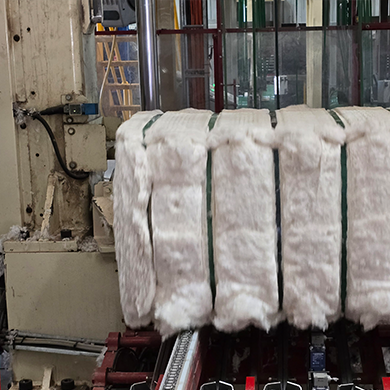
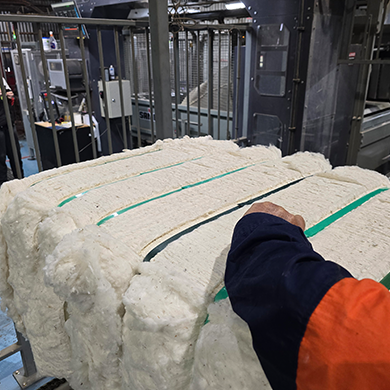
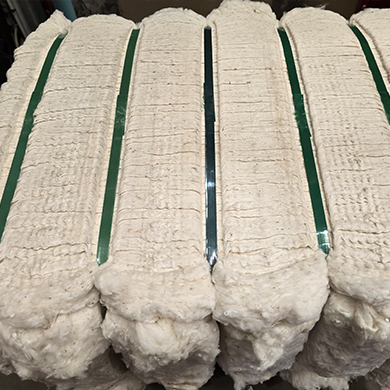
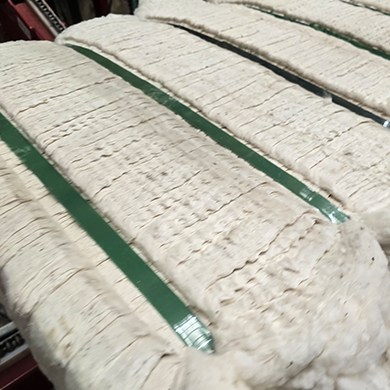
Yes. PET strapping is commonly used for cotton bales due to its high tensile strength and ability to maintain load stability during handling, stacking, and long-distance transport.

PET strapping is widely used in cotton gins and export operations where consistent restraint and safer handling are critical.

PET strapping offers several advantages over steel strapping in agricultural applications:

  • Safer to handle with reduced snap-back risk
  • Maintains tension as loads compress or rebound
  • Resistant to weather and corrosion
  • Less damage to bales and equipment
  • Lighter and easier to manage on site

For hay and cotton, where loads are large, seasonal, and often handled outdoors, PET strapping is a practical solution.

The correct PET strapping size depends on bale weight, compression level, transport method, and strapping machine. Typically hay export plants will use a 15mm PET Strapping in Jumbo rolls.

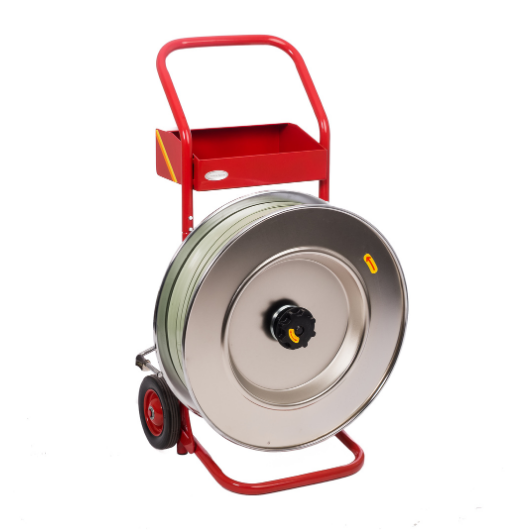
For higher-volume hay operations, PET strapping is commonly supplied in jumbo rolls designed to suit strapping machines. Jumbo rolls reduce changeovers, improve efficiency during baling or packing, and help maintain consistent tension across multiple bales.

X-Pak Global provides guidance on strap width, thickness, tensioning, and jumbo roll specifications to ensure the strapping is compatible with your equipment and suitable for your hay application.

Cotton bales generally require higher-strength, virgin, PET strapping due to their weight, density, and stacking requirements. The correct strap size will depend on bale compression and handling equipment.

Most cotton gins use PET strapping supplied on jumbo rolls, engineered to run efficiently through automatic or semi-automatic strapping machines. Using the correct jumbo roll size ensures smooth machine operation, consistent strap tension, and reduced downtime during peak ginning periods.

Our team works with cotton producers and gins to select the right PET strapping strength and jumbo roll format to suit their machines, volumes, and transport requirements.

Yes. One of the key advantages of PET strapping is its ability to handle compression and rebound. Hay & cotton bales often settle during transport or storage, and PET strapping stretches slightly while maintaining holding force, reducing the risk of loose loads.

This makes PET strapping well suited to long-haul agricultural transport.

When used correctly, PET strapping can form part of a compliant load restraint system. Correct strap placement, tensioning, and spacing are critical to meeting Australian load restraint requirements.

X-Pak Global provides load restraint guidance and training to ensure PET strapping is applied safely and correctly.

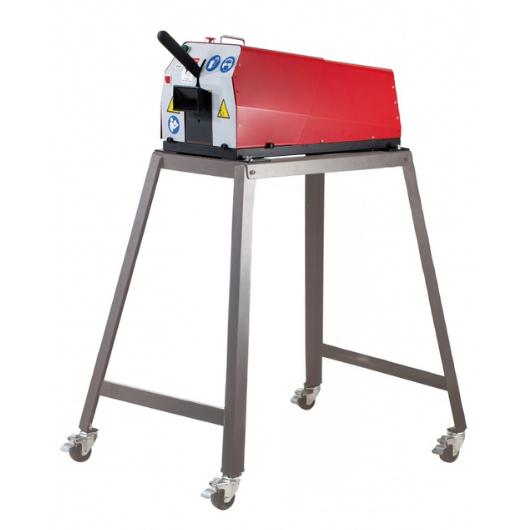
PET strapping for hay and cotton is most commonly applied using automatic or semi-automatic strapping machines, particularly in cotton gins and high-volume hay operations. These machines deliver consistent tension, improve throughput, and reduce manual handling during peak production periods.

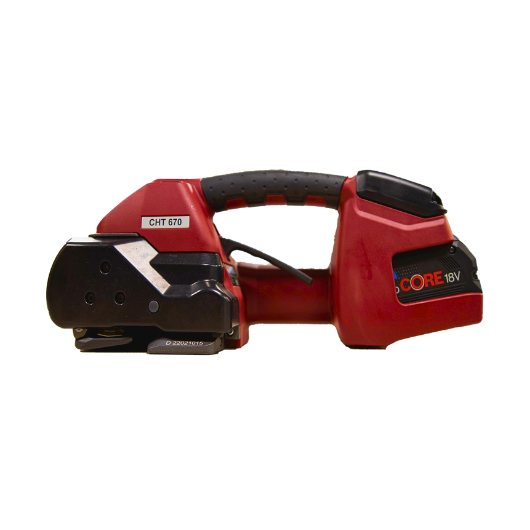
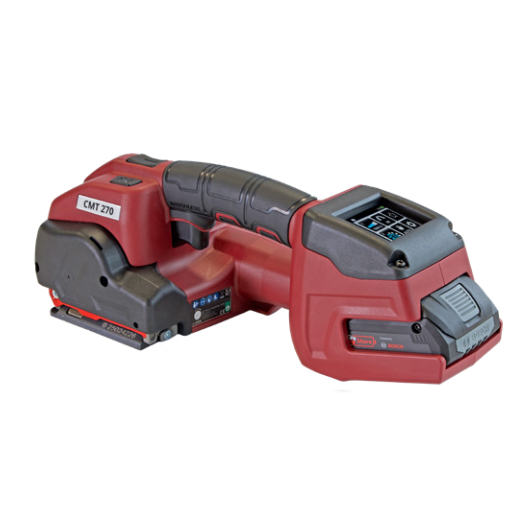
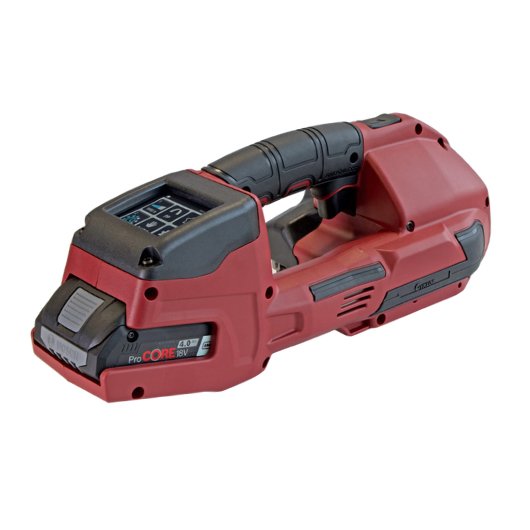
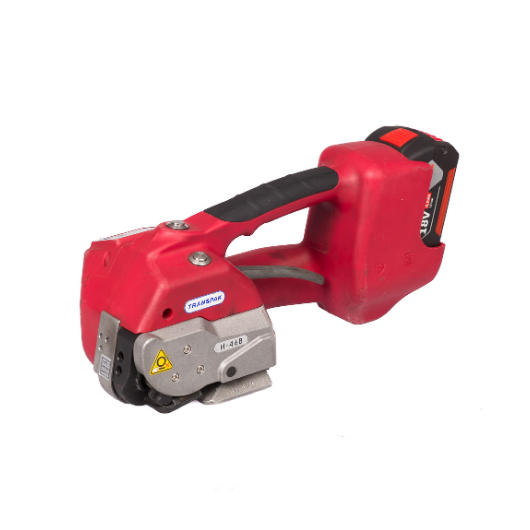
For lower volumes or mobile applications, handheld battery-powered tensioners can also be used to apply PET strapping safely and effectively.

  • Automatic or semi-automatic machines suit cotton gins and high-volume hay packing
  • Handheld battery tensioners suit smaller farms, seasonal use, or lower volumes

Using the right strapping equipment helps improve consistency, operator safety, and overall efficiency when securing hay and cotton bales.

Yes. PET strapping is widely used for export hay and cotton when applied correctly as part of a complete load restraint system. Additional protection such as edge protection or anti-slip materials may also be required depending on the load and destination.

X-Pak Global can help assess export requirements and recommend suitable solutions.

Yes. PET strapping performs well in outdoor environments and is resistant to moisture, temperature changes, and UV exposure commonly encountered in agricultural settings.

This makes it suitable for use in paddocks, sheds, gins, and transport yards.

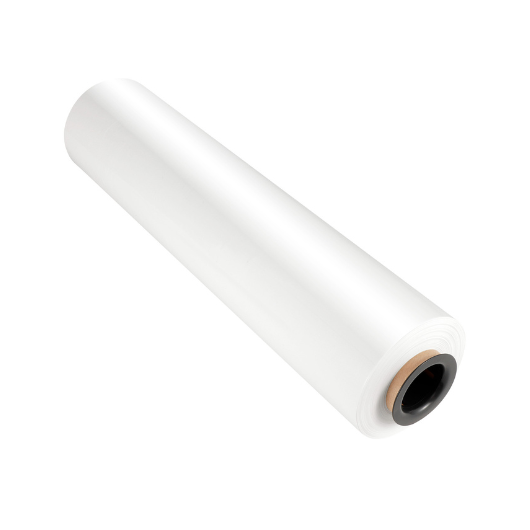
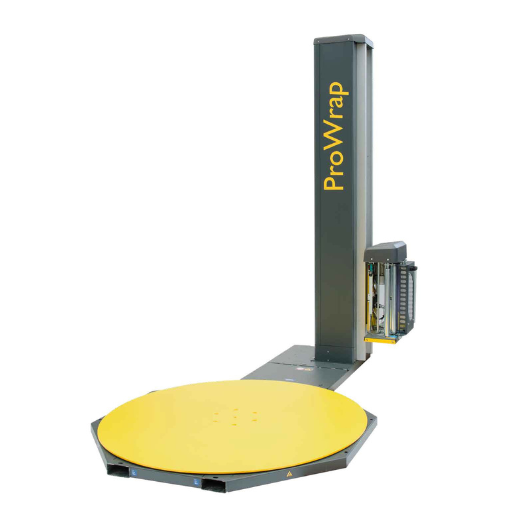
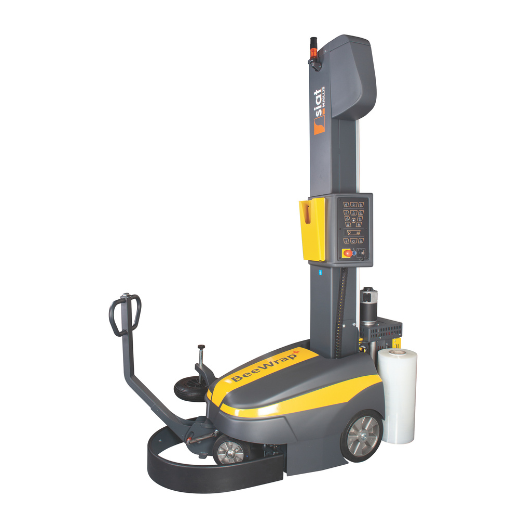
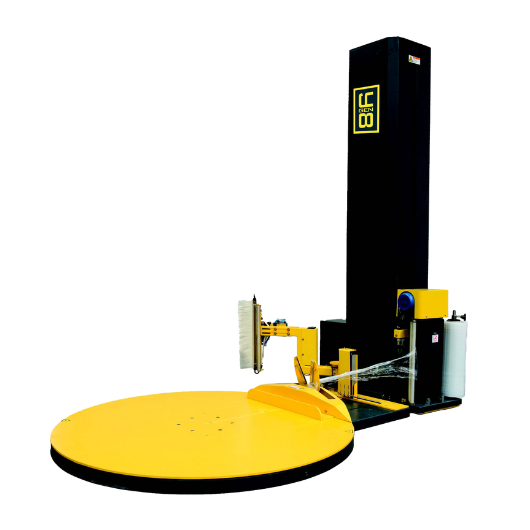
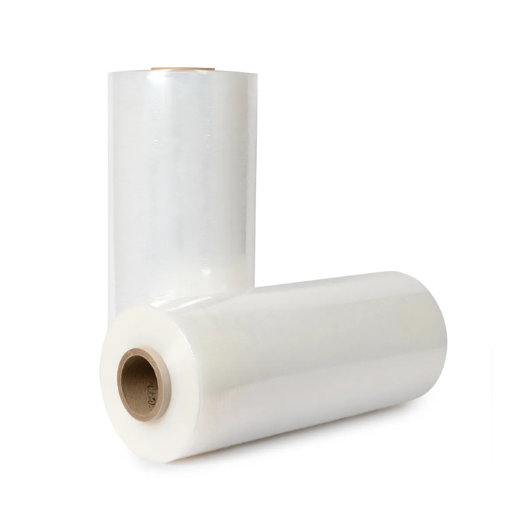
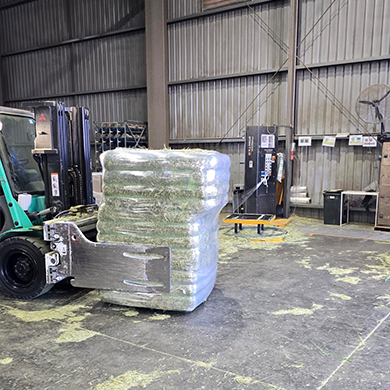
Machine wrap is a stretch film applied using a pallet wrapping machine to stabilise and protect agricultural loads. In farming and agricultural operations, it is commonly used to help secure hay loads, reduce movement during handling, and protect bales from dust and moisture during transport and storage.

Machine wrap is often used alongside strapping and load restraint systems rather than as a standalone restraint.

Machine wrap for hay is typically supplied in 500mm or 750mm widths, depending on the size of the load and the type of wrapping machine being used. Wider wrap can improve coverage and reduce wrap cycles on larger hay loads, improving efficiency.

X-Pak Global can help select the correct wrap width to suit your equipment and application.

Machine wrap helps improve load stability by holding loose material together, but it does not replace strapping or rated load restraint systems. For hay bales, machine wrap should be used as a supporting layer in combination with PET strapping and correct load restraint practices.

Yes. Machine wrap is designed to be used with automatic and semi-automatic pallet wrapping machines commonly found in agricultural sheds, packing facilities, and high-volume operations.

Using the correct wrap specification ensures smooth machine operation and consistent load containment.

Yes. Using machine wrap can reduce wrap time, improve consistency, and support higher throughput during peak hay seasons.

When combined with PET strapping, it helps create a more stable and manageable load.

Yes. X-Pak Global offers EcoWrap machine wrap, made with 30% recycled content, as a more sustainable option for agricultural applications such as hay handling and transport.

EcoWrap is designed to deliver reliable load containment while helping reduce the use of virgin plastic, making it suitable for farms and agricultural operations looking to improve sustainability without compromising performance.

Yes. EcoWrap is engineered to provide consistent stretch, strength, and load stability comparable to standard machine wrap. It is suitable for use with automatic and semi-automatic wrapping machines.

EcoWrap is commonly used alongside PET strapping and correct load restraint methods for hay transport.

Why Choose X-Pak

Our Partners

Customer Case Studies

Our Latest Articles

Have Questions?
Get in touch!

We offer free site visits, advice, product demonstrations and training so contact us now to see how we can help you.

Get a Quote

Please note we only supply products Australia-wide. We do not provide international shipping unless requested by the customer.

Request A Sample

We are confident in the quality of our products – 100% of our customers are satisfied! Want to try prior to purchasing? An X-Pak load restraint expert will be in touch and can arrange for a sample to be sent to you. *T&Cs apply*

Request A Sample

We are confident in the quality of our products – 100% of our customers are satisfied! Want to try prior to purchasing? An X-Pak load restraint expert will be in touch and can arrange for a sample to be sent to you. *T&Cs apply*

Tom McHugh

National Business & Account Manager

Tom has built years of hands-on experience in logistics and load restraint across multiple industries. In his role as Business & Account Manager, supporting customers nationally, he combines strong sales and account management capability with a commitment to delivering high-quality customer outcomes.

Through ongoing professional development, Tom ensures his advice reflects current industry best practice and evolving compliance standards.