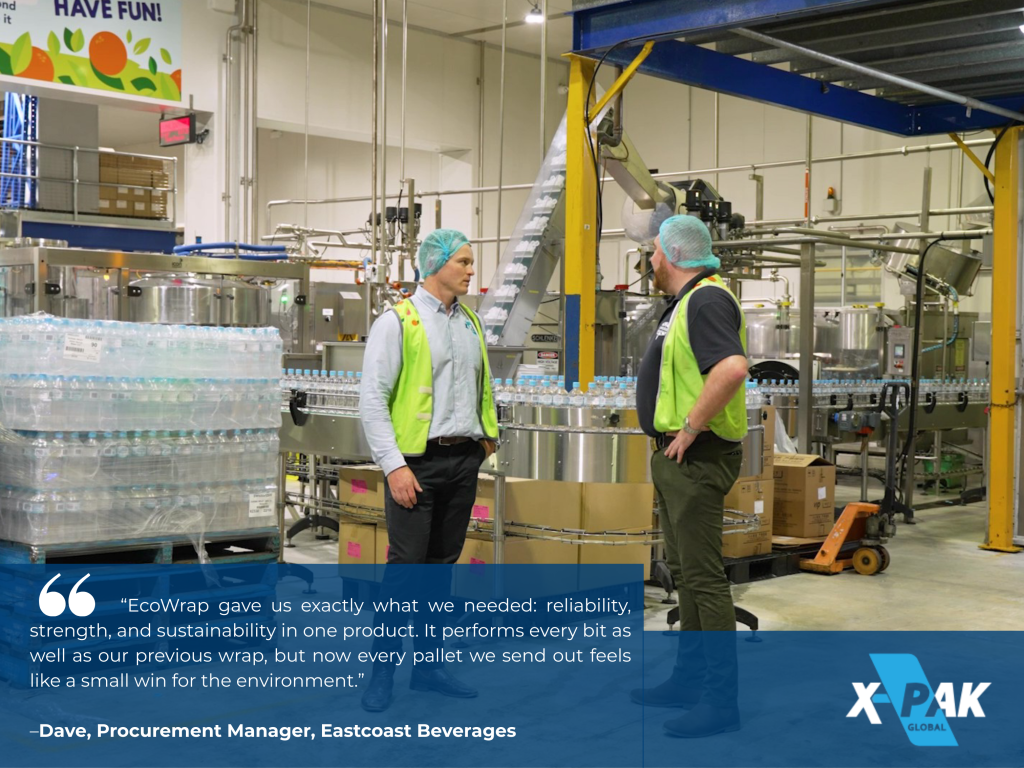
Looking for more sustainable packaging? Explore our latest EcoWrap customer case study.

Food and beverage industry

Load Restraint and Protective Packaging for Food and Beverage Supply Chains


Food and beverage industry

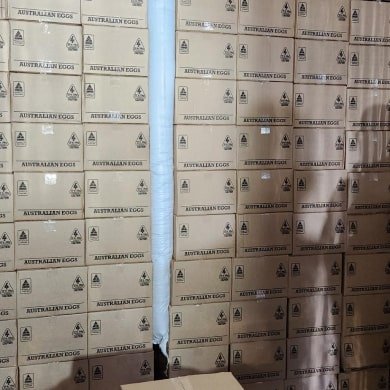
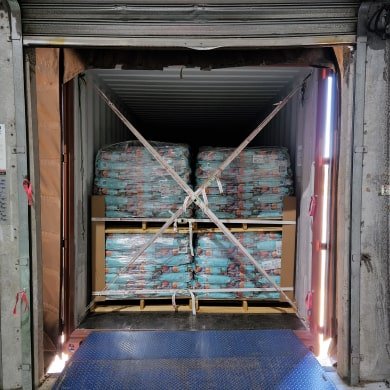
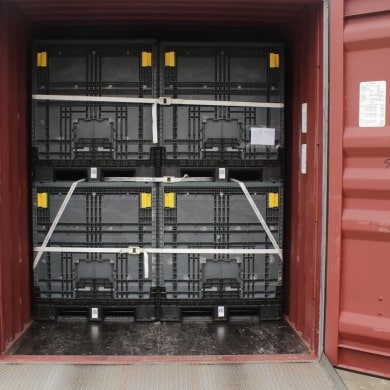
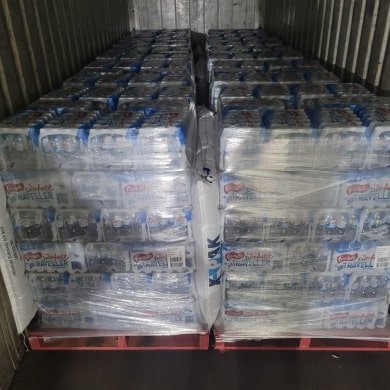
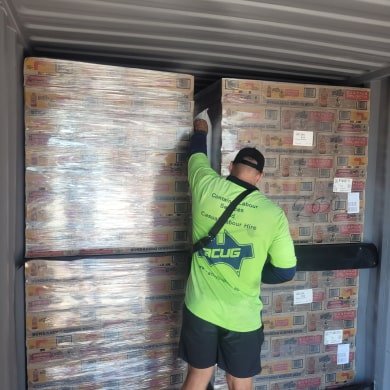
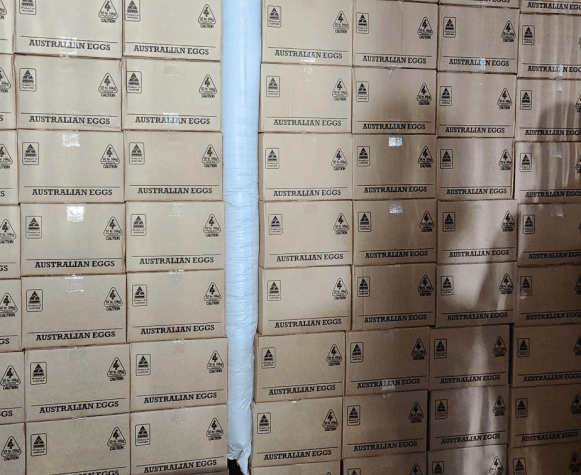
X-Pak Global specialises in load restraint and cargo protection solutions for the food and beverage industry, helping manufacturers manage risk, maintain safety, and protect product integrity across complex supply chains. Secure, compliant loads are critical to preventing damage, downtime, and safety incidents from dispatch through to delivery.

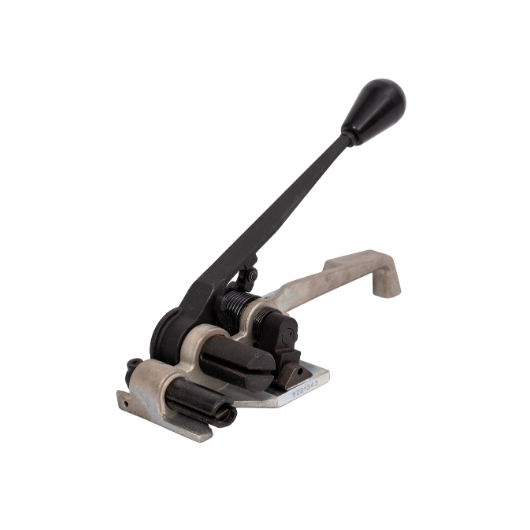
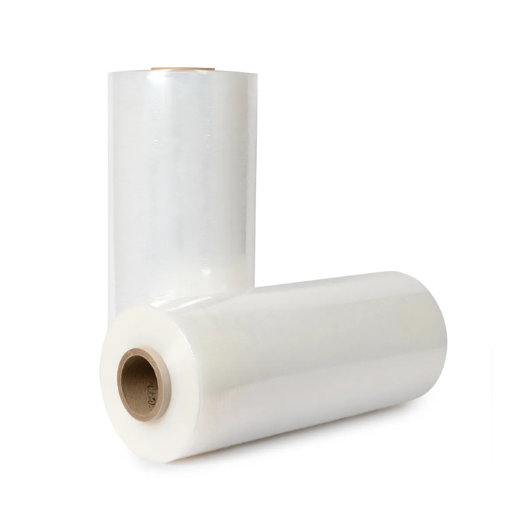
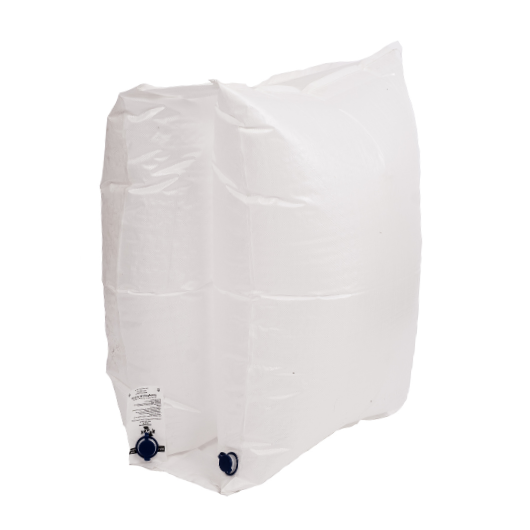
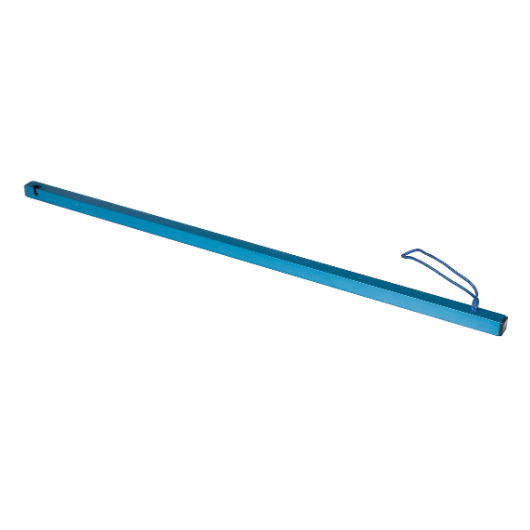
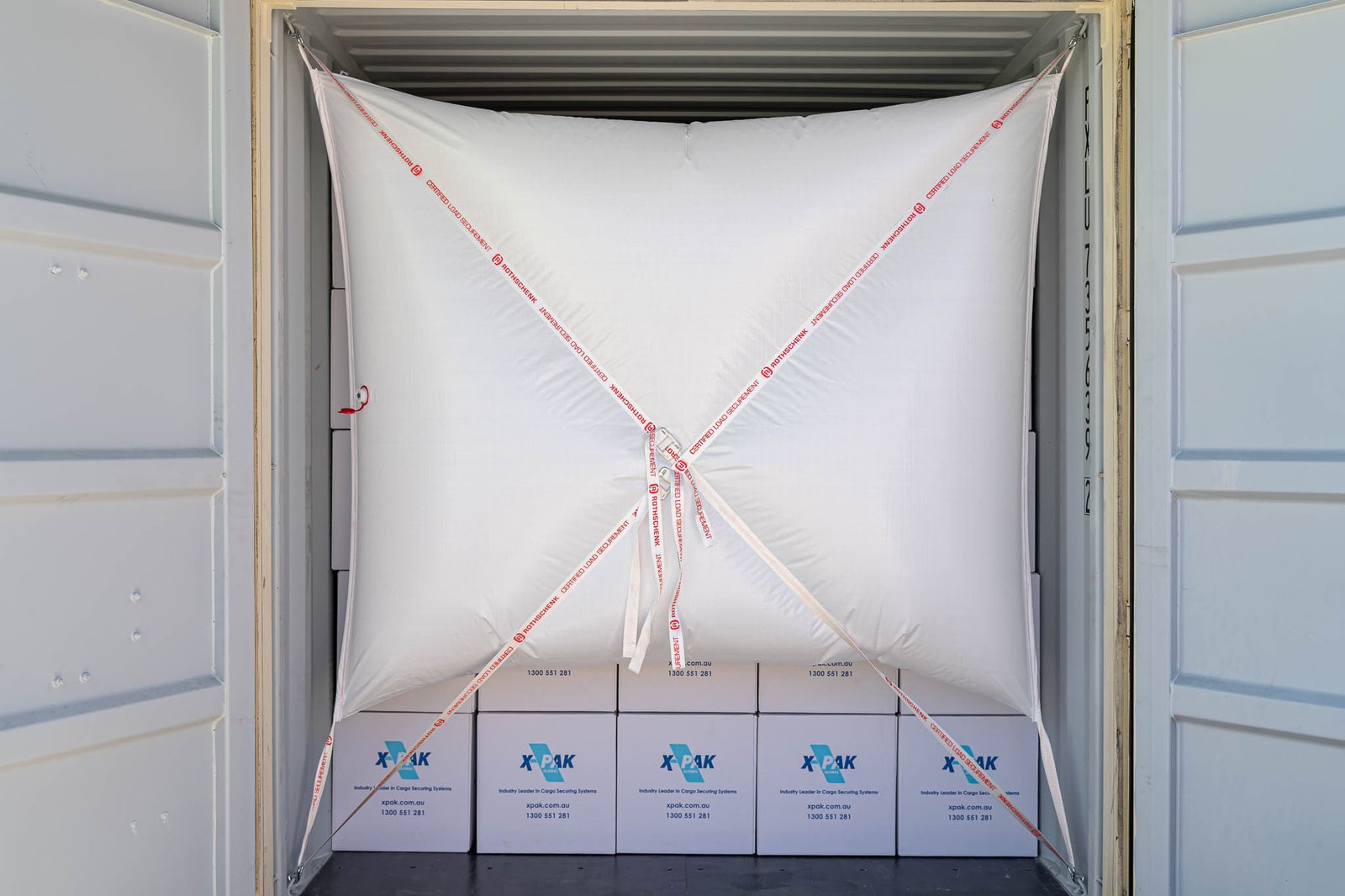
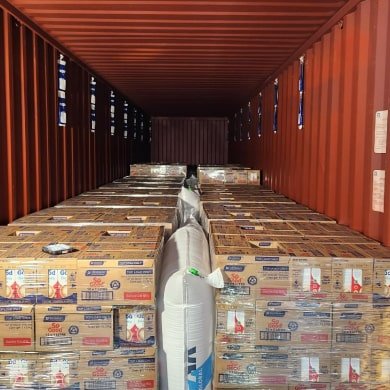
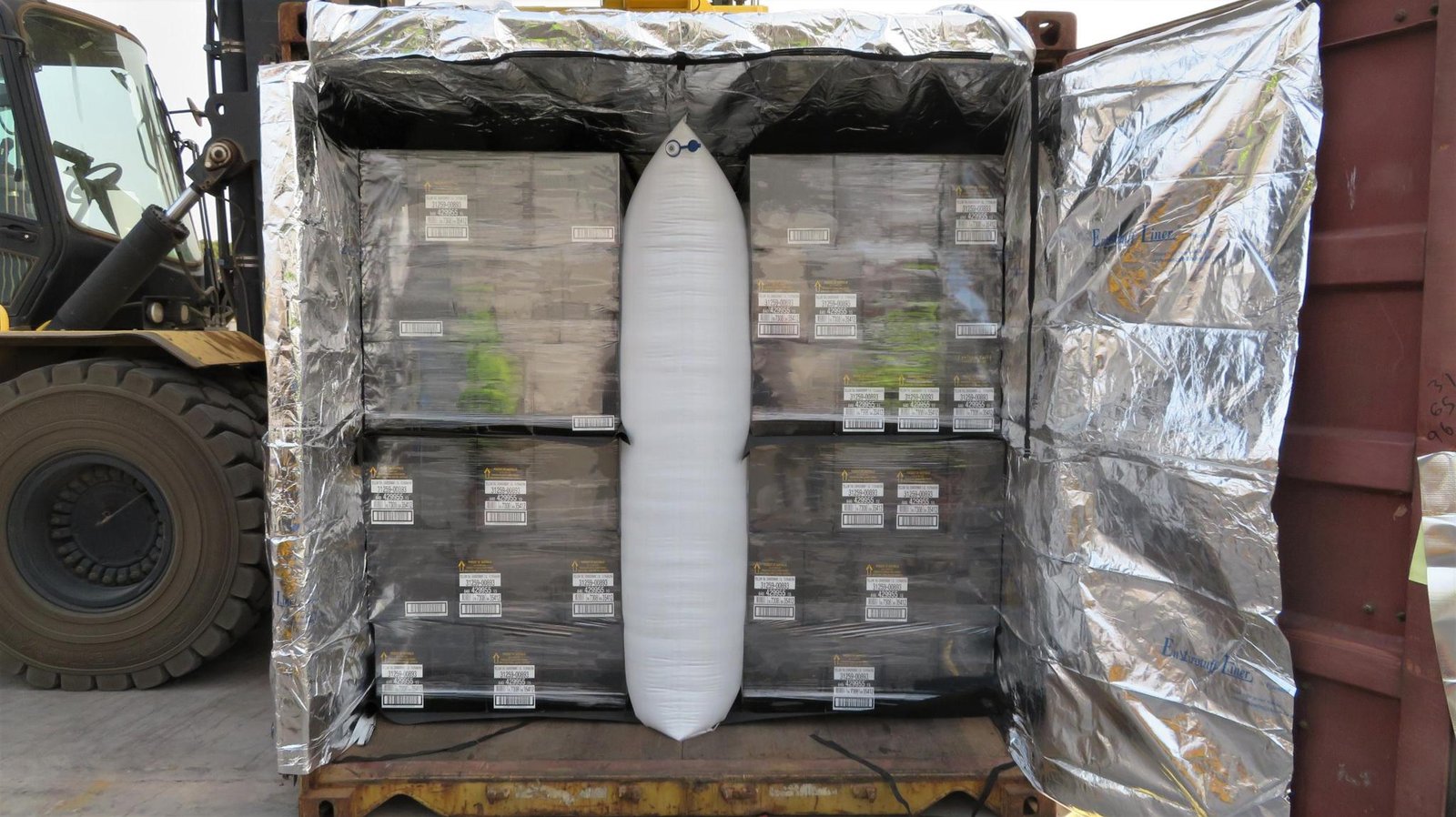
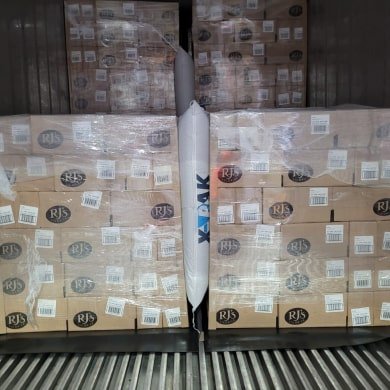
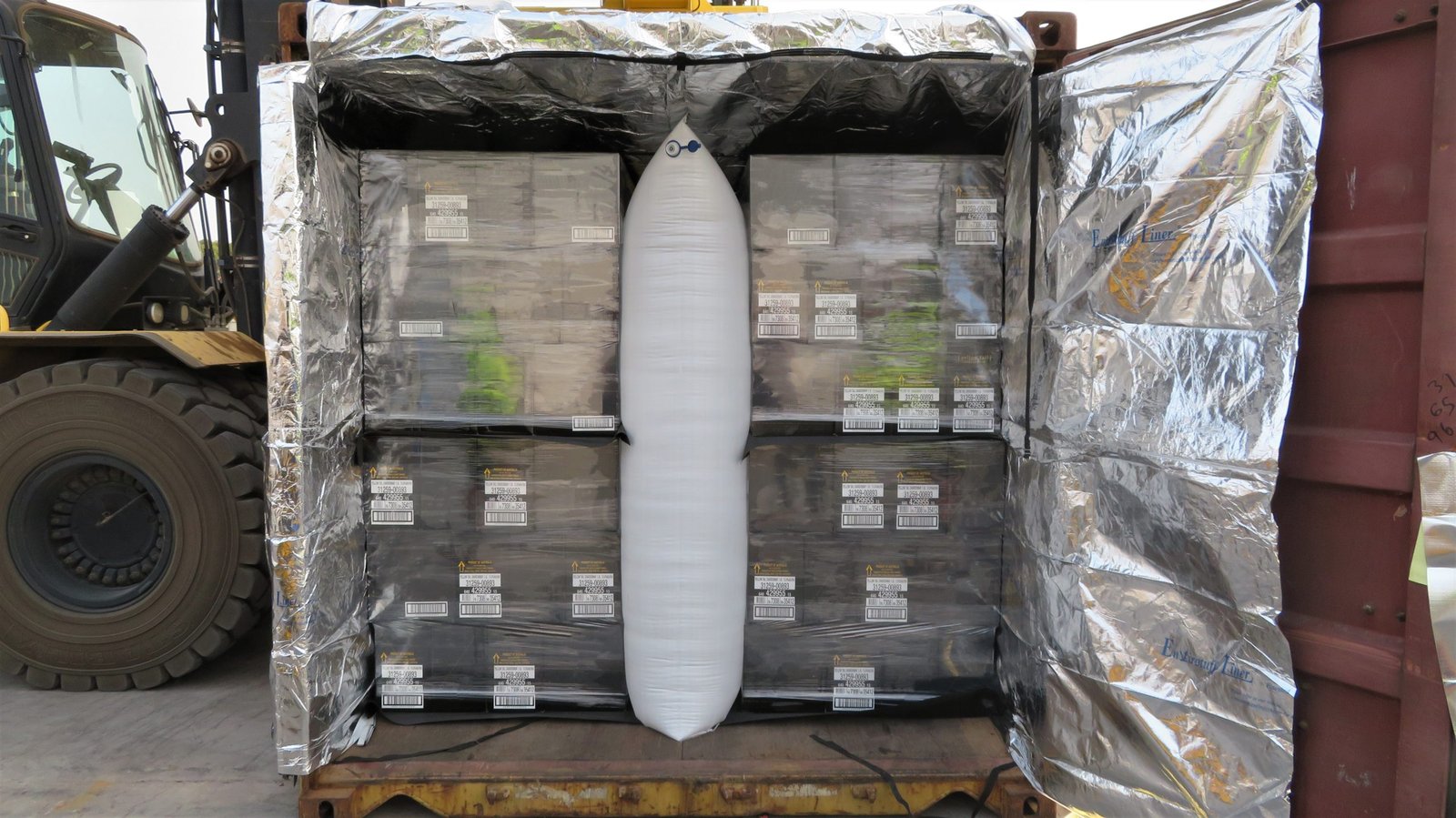
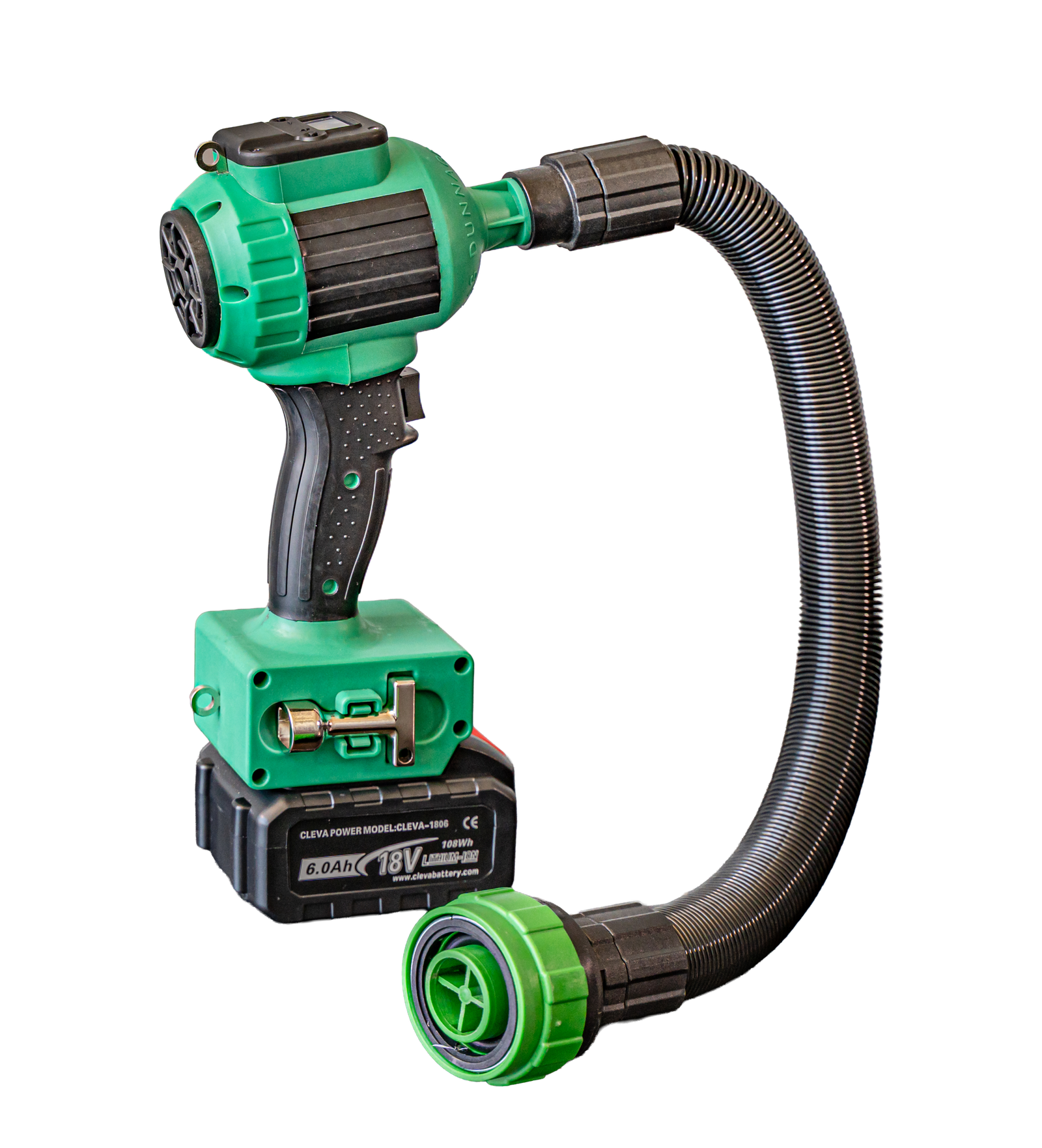
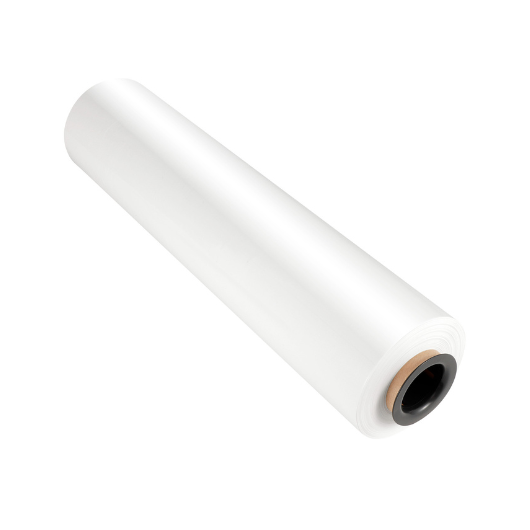
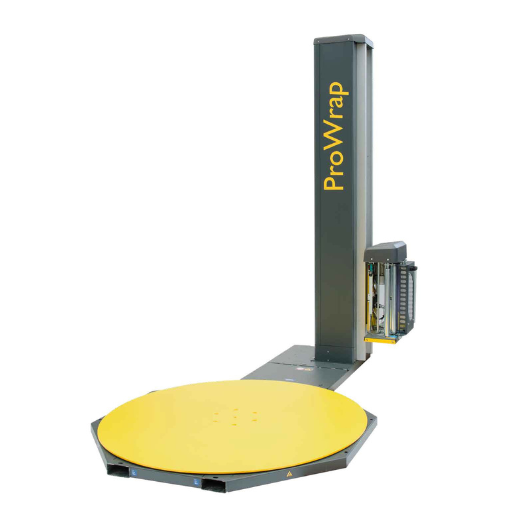
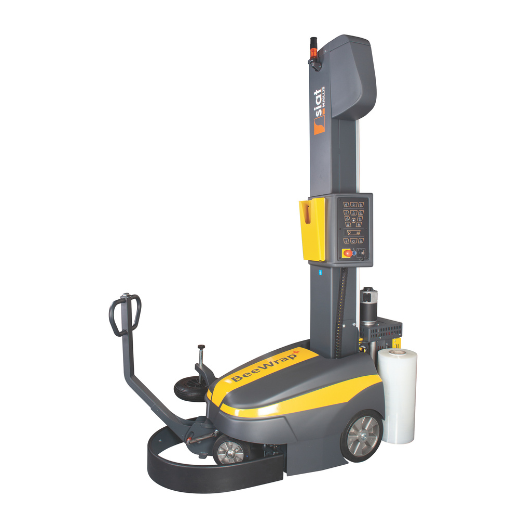
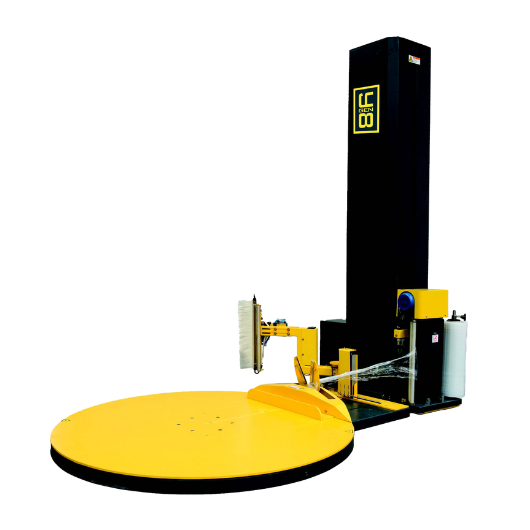
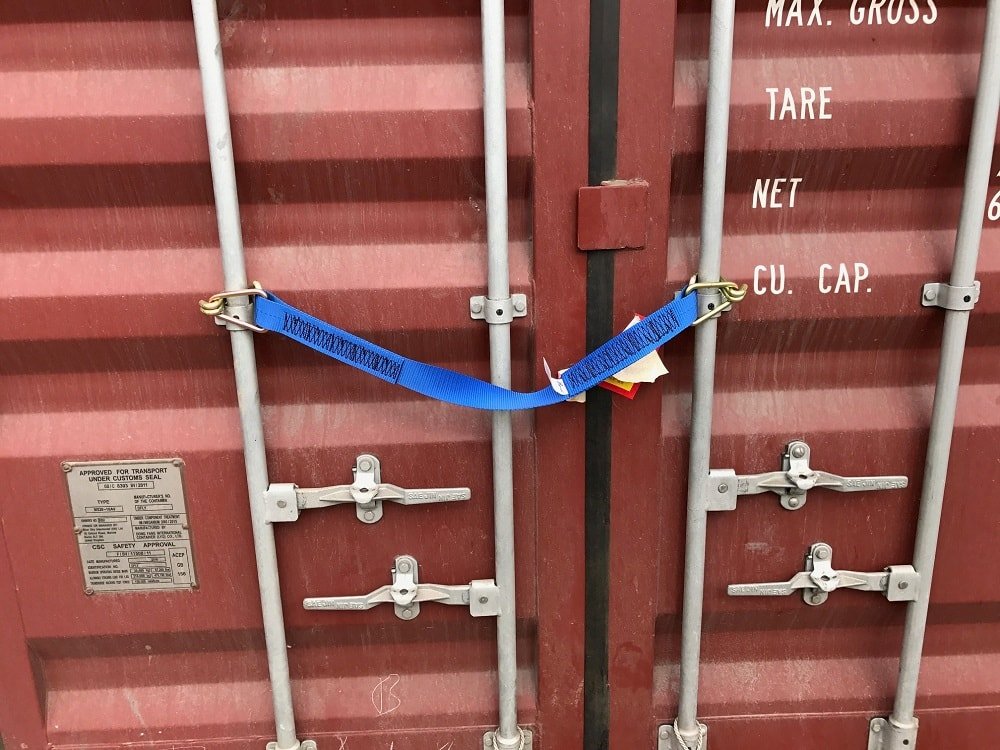
Supporting these systems is a complete packaging range including industrial stretch wrap, sustainable EcoWrap options, wrapping machinery, strapping, dunnage bags, and moisture control solutions. Together, these solutions reduce load movement, minimise product damage, improve workplace safety, and support performance and sustainability objectives across food and beverage operations.

Customer Case Studies

Our Product Range servicing the food and beverage industry:

Customers we have helped

Any Questions? We’ve Got You Covered.

These are the most commonly asked questions. Here’s everything you need to know about how our products work in your industry.

What are the regulatory requirements for shipping food and beverage products internationally?

Regulatory requirements vary by country. Generally, you need to comply with the food safety regulations of both the exporting and importing countries.

Yes, each country has its own set of regulations for food and beverage items. These can include labelling, packaging, and health standards.

Adhere to Good Manufacturing Practices (GMP), ensure proper hygiene, use adequate packaging, and comply with temperature control requirements for perishable items.

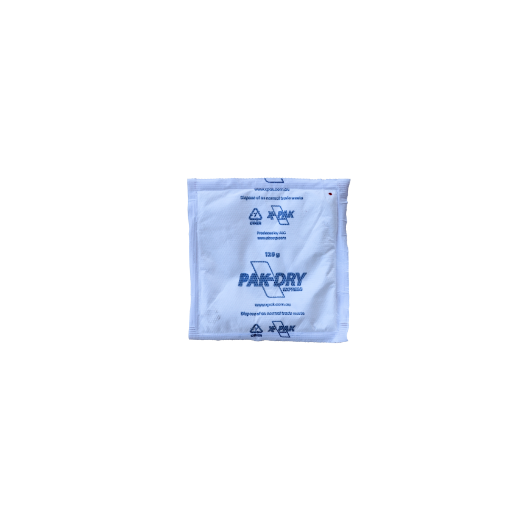
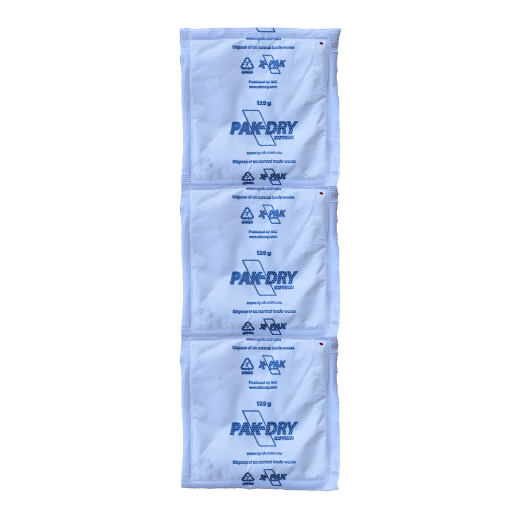
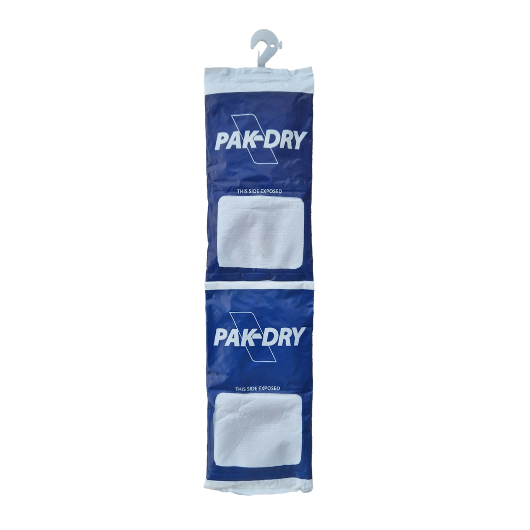
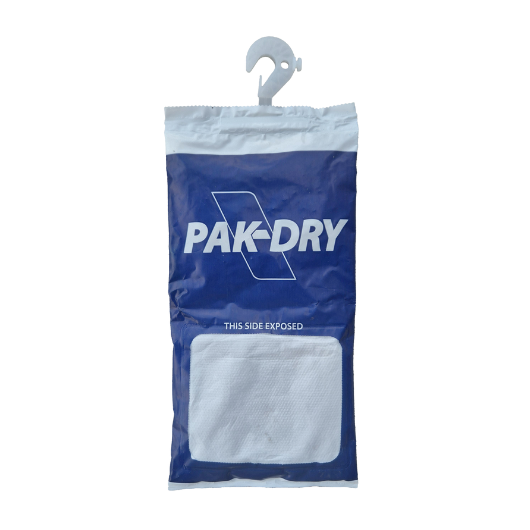
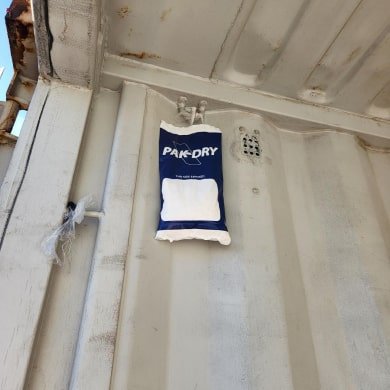
Yes, perishable items often require temperature-controlled shipping such as refrigerated (reefer) containers to maintain freshness and safety. Products such as desiccant bags can also be used to maintain climate control.

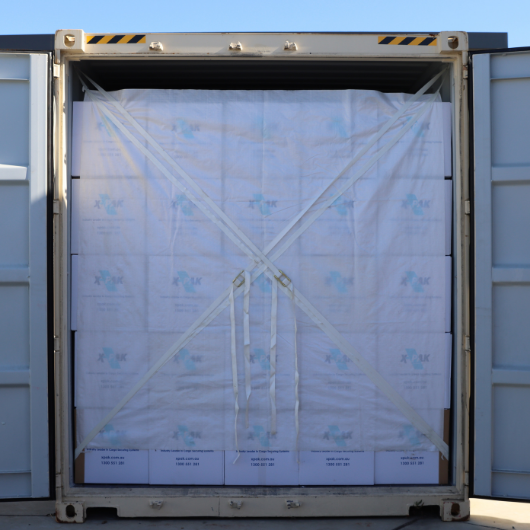
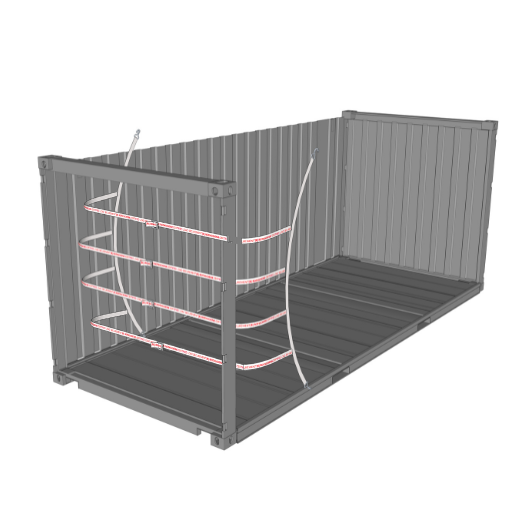
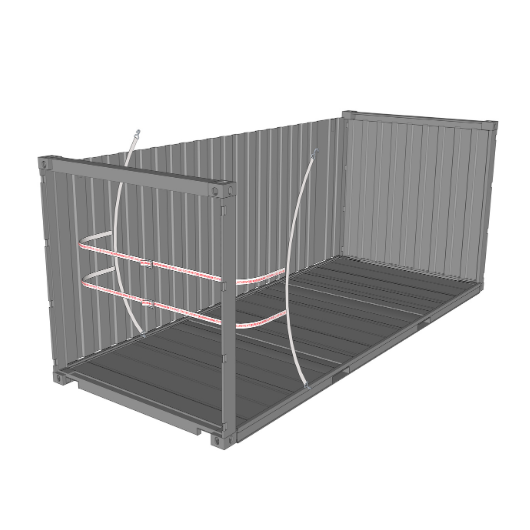
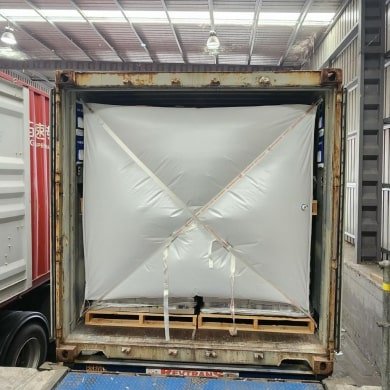
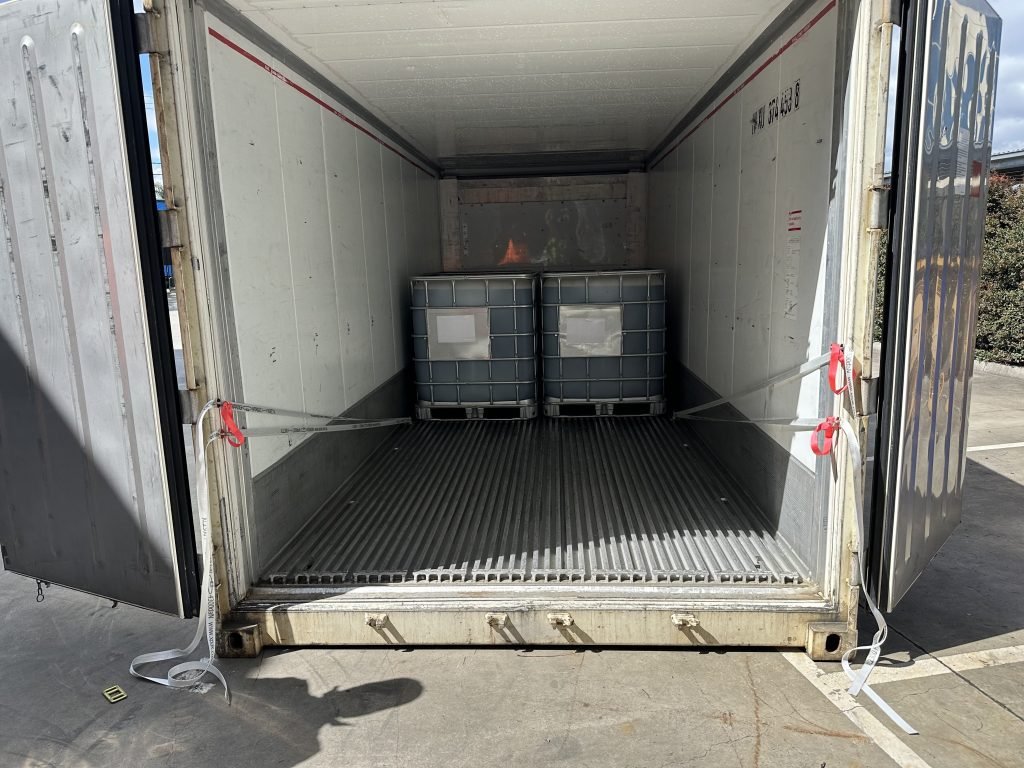
Effectively handling and transporting fragile or sensitive food items to prevent damage during shipping involves a strategic approach, leveraging the specialised solutions offered by X-Pak including dunnage bags, desiccant bags, lashing, and container door tarp systems.

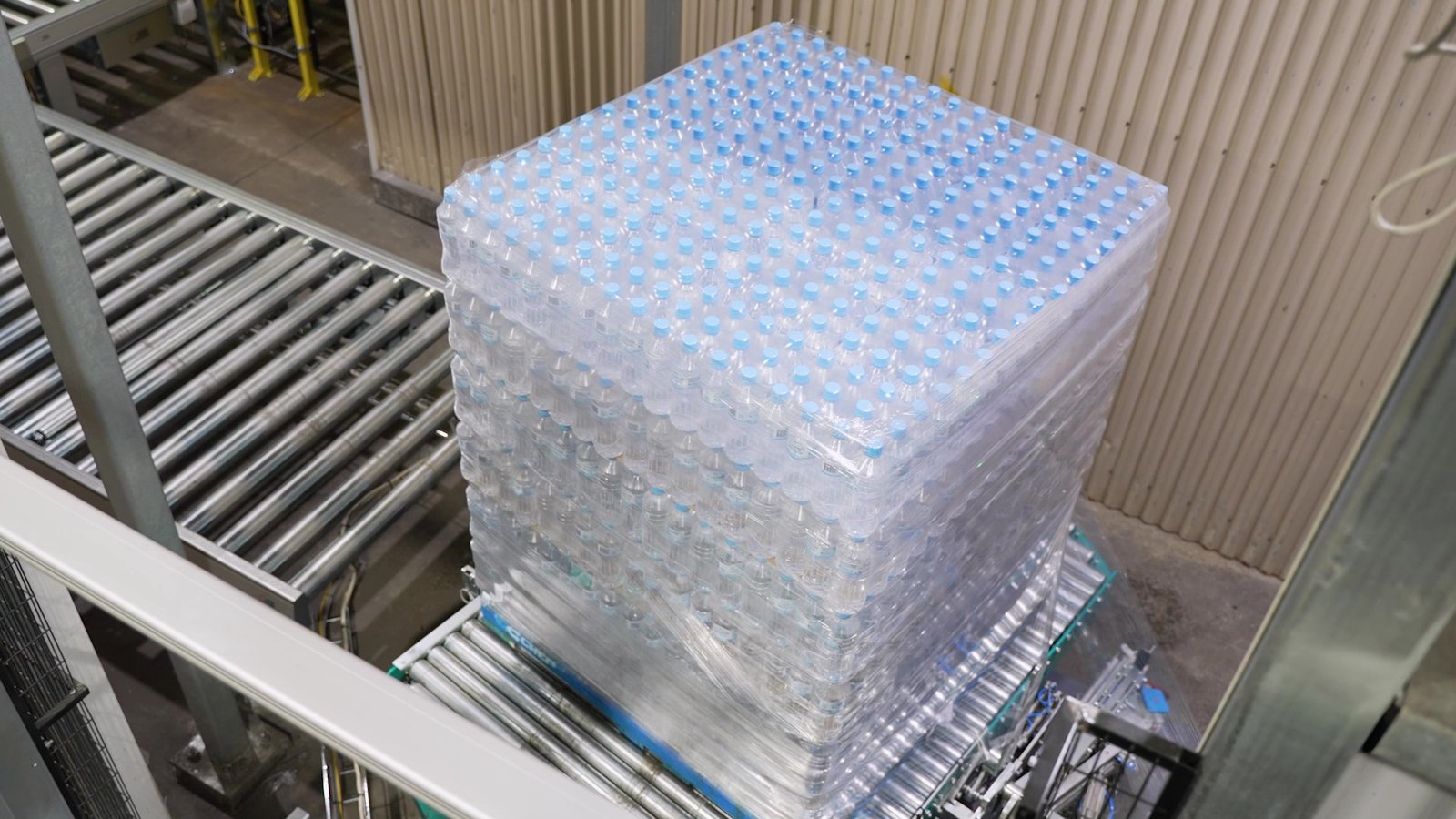
The best stretch wrap for food and beverage pallets depends on load weight, pallet stability, and handling conditions. Industrial machine stretch wrap is typically preferred for consistent containment force and reduced film usage, while hand wrap suits lower volumes. For volume operations, machine wrap provides better load stability, reduced damage risk, and improved safety.

Choosing the right pallet wrap requires assessing load weight, product shape, stacking pattern, and transport method. Heavier or uneven food and beverage loads require high-strength, high-puncture-resistant wrap with controlled stretch. In many cases, pallet wrap should be used alongside strapping or dunnage to prevent load movement during braking, cornering, and vibration.

Hand wrap relies on operator technique and can lead to inconsistent containment and higher film usage. Machine wrap delivers controlled tension, repeatable wrap patterns, and consistent load security. For food and beverage manufacturers handling volume, machine wrap improves pallet stability, reduces waste, and enhances workplace safety.

Yes. High-quality eco stretch wrap made with recycled content is engineered to deliver the same containment strength, stretch efficiency, and puncture resistance as conventional wrap. Sustainable options such as EcoWrap allow food and beverage businesses to reduce virgin plastic use while maintaining performance in demanding industrial environments.

Stretch wrap plays an important role in unitising loads but should not be relied on as the sole load restraint method for transport. For food and beverage freight, best practice is to combine pallet wrap with load restraint solutions such as strapping, dunnage bags, or lashing to meet safety and compliance requirements and reduce damage risk.

Incorrect pallet wrapping can result in insufficient containment force, uneven tension, or crushed cartons. This increases the risk of load shift, carton collapse, and product damage during transport. Poor wrapping also creates safety risks during handling and unloading. Correct wrap selection and application are critical to protecting food and beverage products.

Packaging solutions such as recycled-content stretch wrap, optimised film usage, and automated wrapping systems help food and beverage businesses reduce material consumption and reliance on virgin plastics. These improvements support sustainability initiatives while maintaining load security, efficiency, and compliance across the supply chain, supporting the Australian Packaging Covenant Organisation (APCO) National Packaging Targets (NPTs).

Yes. Wrapping machines reduce packaging costs by controlling film stretch, minimising overuse, and improving consistency. For food and beverage operations, this results in lower film consumption per pallet, reduced damage claims, improved output, and safer working conditions compared to manual wrapping.

Why Choose X-Pak

Our Partners

Our Latest Articles

Have Questions?
Get in touch!

We offer free site visits, advice, product demonstrations and training so contact us now to see how we can help you.

Get a Quote

Please note we only supply products Australia-wide. We do not provide international shipping unless requested by the customer.

Request A Sample

We are confident in the quality of our products – 100% of our customers are satisfied! Want to try prior to purchasing? An X-Pak load restraint expert will be in touch and can arrange for a sample to be sent to you. *T&Cs apply*

Request A Sample

We are confident in the quality of our products – 100% of our customers are satisfied! Want to try prior to purchasing? An X-Pak load restraint expert will be in touch and can arrange for a sample to be sent to you. *T&Cs apply*

Tom McHugh

National Business & Account Manager

Tom has built years of hands-on experience in logistics and load restraint across multiple industries. In his role as Business & Account Manager, supporting customers nationally, he combines strong sales and account management capability with a commitment to delivering high-quality customer outcomes.
Through ongoing professional development, Tom ensures his advice reflects current industry best practice and evolving compliance standards.