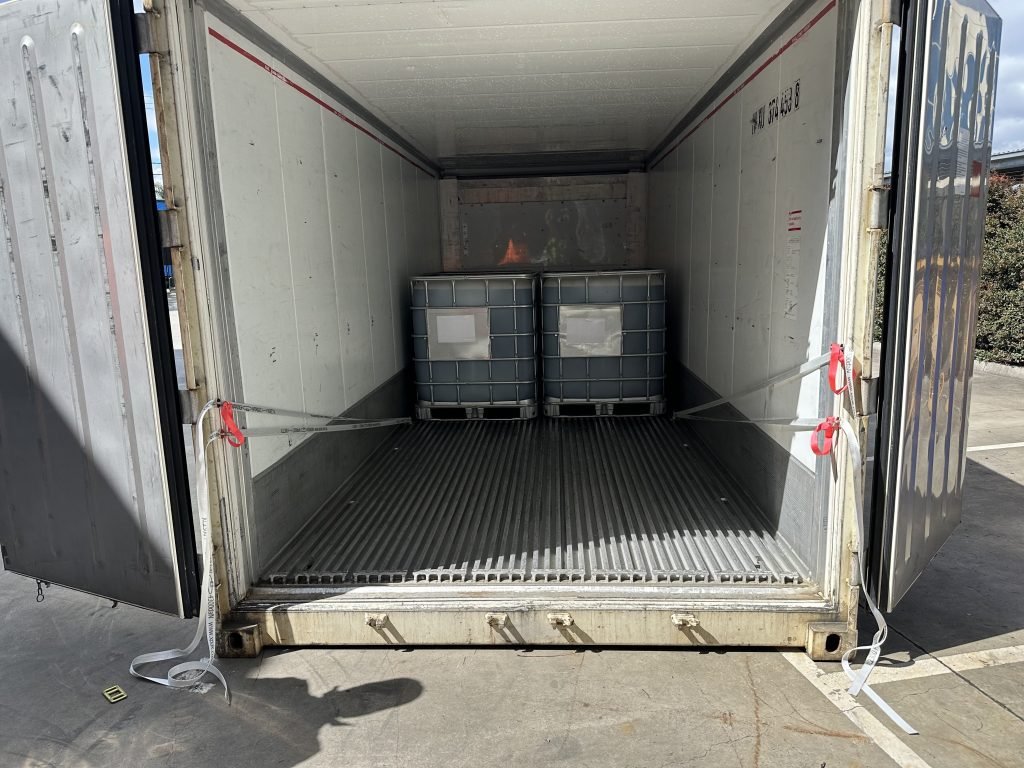

In Australian freight and logistics, load failure rarely comes down to bad luck. It often comes down to using a strapping system that doesn’t hold up under real transport conditions, and likely doesn’t adequately support compliance with the National Load Restraint Guide.
In Australia, long road distances, uneven surfaces and unpredictable weather can all put loads at risk. Loads can shift, products can get damaged, and most importantly people can be exposed to hazards if restraint systems fail.
This is where the decision between steel strapping and PET strapping becomes critical.
Steel strapping and PET strapping bands are two of the most common options. Other variations include poly strapping, nylon strapping, and aluminum strapping.
While steel has long been the preferred choice for high-tension or sharp-edged loads, PET strapping has become a widely adopted alternative thanks to its high tensile strength, cost efficiency, and improved operator safety.
This guide breaks down the real performance differences between steel strapping and PET strapping, helps you decide when to choose steel over PET strapping, and outlines how X-PAK supports Australian operations with a full range of industrial strapping systems and tools.
What Is Steel Strapping?
Steel strapping is a strong metal strapping designed for securing loads that need maximum tension and almost zero stretch. It is widely used in construction, metal manufacturing, timber mills, and heavy industrial applications.
Key Features of Steel Strapping
- Extremely high tensile strength- Handles the heaviest and most rigid industrial loads.
- Minimal elongation under tension- Keeps loads firm with almost no stretch. This is critical for loads that cannot compress or settle.
- Suitable for loads with sharp edges- Highly-resistant to cuts and abrasions, making it a good choice for sharp-edged materials such as steel sections, masonry products, and rough timber packs.
- Available in standard and high-tensile grades- High-tensile steel strapping is used for severe load conditions.
- Applied with steel strapping tools or pneumatic systems- Common in industrial and export environments where high restraint force is required.
Common Applications of Steel Strapping in Australia
Steel strapping is widely used across industries where loads are heavy, rigid, and sharp-edged. Steel provides the high strength and minimal stretch needed to secure industrial loads during transport, storage, and export. Here are a few of its common applications in Australian businesses.
- Steel coils, pipes, and I-beams- These heavy, rigid materials demand maximum strength and zero stretch. Steel strapping keeps them tightly secured during handling, loading, and long-distance transport, preventing dangerous shifts or rolling.
- Heavy industrial freight- Machinery parts, metal components, and other non-flexible loads rely on steel strapping because they cannot tolerate elongation. The strap maintains the stability of the load through vibration, lifting, and stacking.
- Export-grade timber packs- Sawmills and timber suppliers use steel strapping to secure large timber bundles for export. It maintains tight tension over long durations and withstands outdoor storage, mechanical handling, and containerised freight.
What Is PET Strapping?
PET strapping band is a polyester-based strapping widely used across manufacturing, distribution, warehousing, and export freight. It’s designed for loads that need to stay secure. Where rigid restraint can work against a load as it moves or settles, PET is engineered to maintain tension while allowing controlled movement, which helps freight stay stable through transport.
This is largely why PET strapping is now widely used as an alternative to steel. It delivers strong restraint without the sharp edges, corrosion risks, or the handling hazards that come with metal strapping.
Key Features of PET Strapping
- High tensile strength- It is comparable to steel for many mid-to-heavy freight uses
- Improved handling safety- with no sharp edges and reduced recoil risk
- Weather-resistant- It is suitable for outdoor storage and reliable in humid or coastal environments
- Anti-rust properties- PET strapping does not rust or stain finished goods
- Compatibility- It is compatible with PET machines and tools, including battery tools and hand tools
- Recyclable material- It is a sustainable choice since PET and HDPE plastic materials are recyclable
Know more about Sustainable Packaging & Load Restraint Solutions in Australia
Common Strapping Applications of PET Strapping in Australia
PET strapping is widely used across Australian industries where loads are heavy but not sharp-edged, and where restraint needs to remain effective as freight moves, settles, and experiences vibrations during transport. It also avoids rust issues, especially in coastal and humid conditions.
Palletised loads- PET strapping is commonly used to secure palletised goods through constant movement, vibration, and handling. Its controlled stretch helps prevent strap breakage and maintains tension throughout the supply chain.
Bricks, pavers, and masonry- Dense masonry products such as bricks, blocks, and pavers do not compress under pressure. PET strapping provides the firm, locked-in tension needed to hold bundles together, even in harsh site conditions.
Timber, tiles, and manufactured building products- PET strapping is widely used for timber packs, tiles, and manufactured building materials that may compress slightly over time. As loads settle during storage and transit, PET’s retained tension helps keep bundles secure without requiring re-strapping.
Steel vs PET Strapping: Key Technical Differences
Steel and PET strapping are both capable of securing heavy freight, but they behave very differently once loads are exposed to tension, vibration, and real transport conditions. Understanding these performance differences enables businesses to select the appropriate material based on load type, safety requirements, and operational efficiency.
Strength and Tension
PET delivers high tensile strength and excellent tension retention for most applications where steel is commonly used. It is not as rigid as steelproviding sufficient strength and flexibility for many loads without the handling and surface-damage risks of metal strapping.
Elongation and Shock Absorption
One of the biggest differences between steel and PET is how they respond to movement.
Steel Strapping has almost zero elongation once tensioned. The strap doesn’t adapt if the load shifts or settles.
PET Strapping is engineered with controlled elongation, allowing it to absorb vibration and shock. In Australian long-haul road and rail freight, continuous vibration is common. The ability of PET to stretch and recover means it can restrain loads without snapping or loosening.
In line with the principles outlined in the National Load Restraint Guide, restraint systems must remain effective for the entire journey.
Safety for Operators
Steel poses higher handling risks due to sharp edges and recoil hazards when tension is released. Handling procedures and personal protective equipment are often required with steel strapping, and injuries are more commonly reported. PET strapping reduces injury risk significantly, making it easier to train new operators and helping worksites meet WHS standards.
Compatibility with Strapping Tools
- Steel Strapping: Typically rely on manual or pneumatic steel strapping tools, including tensioners, seals, and cutters. These often require more physical effort and regular maintenance.
- PET Strapping: Works with a wide range of modern strapping solutions, including hand strapping tools, battery-powered tools, and automatic strapping machines.
X-Pak supplies tooling and systems across both categories, allowing businesses to match the strapping method to their load type and production requirements.
Environmental Impact
Steel is fully recyclable but its production is energy intensive. PET strapping is recyclable and commonly used in circular packaging programs. Alternatives such as HDPE plastic straps, nylon strapping, and X-Pak composite strapping offer lighter, corrosion-resistant options where heavy steel isn’t required.
Cost and Operational Efficiency
PET is often less costly for materials and can lower overall running costs because it is faster to apply, lighter to move around the site, and safer for operators. It also reduces tool maintenance and training time compared with steel.
Real-World Example: Switching From Steel to PET Strapping
Steel strapping still has an important place in heavy industrial applications. However, many Australian businesses are now looking at PET strapping as a safer, more practical alternative for routine handling and transport.
Impact Attachments, an Australian earthmoving equipment supplier, had long relied on steel strapping to secure attachments during delivery. However, the steel was scratching finished attachments in transit. The team was having to apply additional sprays and protective materials to prevent visible damage before delivery.
There were also safety concerns. Sharp steel edges increased the risk of cuts during the strapping and removal processes, meaning handling risk for operators.
Impact Attachments worked with X-Pak to assess PET strapping as a replacement for steel on suitable loads. Following an on-site demonstration with a product specialist, they transitioned to using PET strapping for their applications.
“Switching to PET strapping will definitely eliminate some of the headaches that we’re currently having with the metal strapping.”
— Impact Attachments
When to Use Steel Strapping?
When maximum restraint strength and minimal movement are required, steel strapping is the correct choice.
Sharp-edged or abrasive materials
Loads with sharp edges or rough surfaces can cut into softer strapping materials. Steel strapping offers superior resistance to abrasion and puncture, making it suitable for metal sections, masonry products, and rough timber packs.
Rigid items that will not compress under tension
When the load cannot compress even slightly, steel’s minimal elongation keeps it firmly locked in place.
High-temperature or harsh industrial environments
Steel performs reliably in hot, abrasive, or industrial conditions where other materials may soften or degrade.
Long-term outdoor storage in harsh environments
Steel can withstand heavy sunlight, temperature swings, and rough handling, making it suitable for stockpiles stored outdoors for long periods.
Limitations to Consider when using Steel Strapping
Steel strapping is strong, but it does come with practical drawbacks. Here are a few:
- Higher safety risks: Sharp edges and strap recoil make it hazardous during cutting and when releasing tension. Operators require training and protective gear.
- Tool maintenance: Steel tools and pneumatic systems need regular servicing due to higher stress loads and metal friction.
- Potential rusting in moisture: When exposed to rain or humidity, steel can corrode, potentially compromising its load-bearing capacity or staining products.
- Adds weight in export shipments: Steel strapping is heavy, and multiple straps can increase freight costs in weight-sensitive export loads.
Specialised alternatives such as aluminium strapping, nylon strapping, and poly strapping offer safer or corrosion-resistant options.
When to Use PET Strapping?
Ideal Scenarios when PET Strapping is the best choice
PET strapping is suitable for oads where controlled tension and vibration absorption are important.
Palletised loads that experience vibration
PET absorbs shock from forklifts, road transport, and handling equipment. Its slight stretch helps prevent strap breakage and keeps pallets securely in place.
Loads that settle or compress over time
Products like timber, cartons, beverages, and manufactured goods may compress slightly during storage or transit. PET’s controlled elongation allows the strap to adjust as the load settles.
Finished goods and packaged products
Where surface protection matters, PET strapping provides firm restraint without sharp edges that can damage packaging or finished products. This makes it suitable for appliances and high-value items.
Bundles of steel, aluminium, and construction materials
Industrial metals and structural materials are rigid and heavy, so they need tensile strength that PET strapping can provide.
Export and long-distance freight
PET strapping is often selected for its lighter weight and corrosion resistance. It helps reduce overall shipment weight and avoids rust-related issues during transport, storage, and handling in humid or coastal conditions.
Operations using PET strapping machines or battery tools
Modern packaging lines prefer PET because it works with fast, automated systems that increase throughput and reduce labour strain. It generally requires less training and maintenance than steel systems.
PET performs consistently in Australian conditions, where long distances, rough roads, and hot climates can strain traditional packaging. It resists UV exposure, handles temperature changes well, and maintains tension better than steel over long-haul routes. This makes it especially reliable for interstate transport, regional deliveries, and export operations, where loads are subject to constant movement and vibration.
Quick Comparison Table: Steel Strapping vs PET Strapping
| Feature | Steel Strapping | PET Strapping |
|---|---|---|
| Tensile Strength | Extremely high | High, suitable for most heavy loads |
| Elongation | Almost none | Controlled stretch |
| Safety | Higher risk (sharp edges, recoil) | Safer, no sharp edges |
| Tooling | Manual, pneumatic steel tools | Battery tools, auto machines |
| Weather Resistance | Not rust-resistant | Rust-free, UV-resistant |
| Weight | Heavy | Light |
| Cost | Higher tool and handling costs | More cost-efficient |
| Sustainability | Recyclable | Recyclable, lower footprint |
Other Strapping Materials You’ll Encounter
Beyond steel and PET, several other strapping options are used for specialised applications across Australian industries. These materials offer flexibility, corrosion resistance, or light-duty performance depending on the load.
- Poly Strapping- A light-duty option for carton bundling, general warehouse use, and lower-tension loads.
- Nylon Strapping- Flexible and strong, often used in specialised manufacturing where consistent tension is needed.
- Aluminium Strapping- A lighter alternative to steel that offers corrosion resistance, especially for marine or chemical environments.
- Rubber and HDPE Components- EPDM rubber, HDPE plastic, and similar materials are commonly used in edge protectors, load pads, and accessories that prevent strap damage and help stabilize freight.
Read more: Nylon vs. Polyester Which Is Strongest For Strapping Pallets