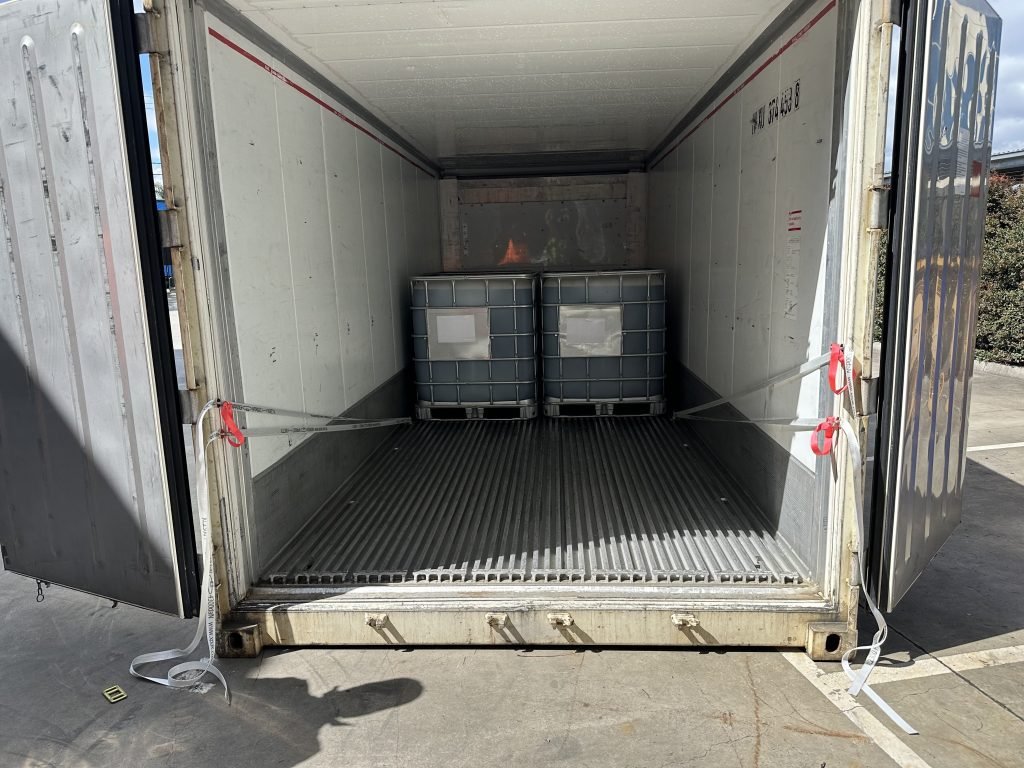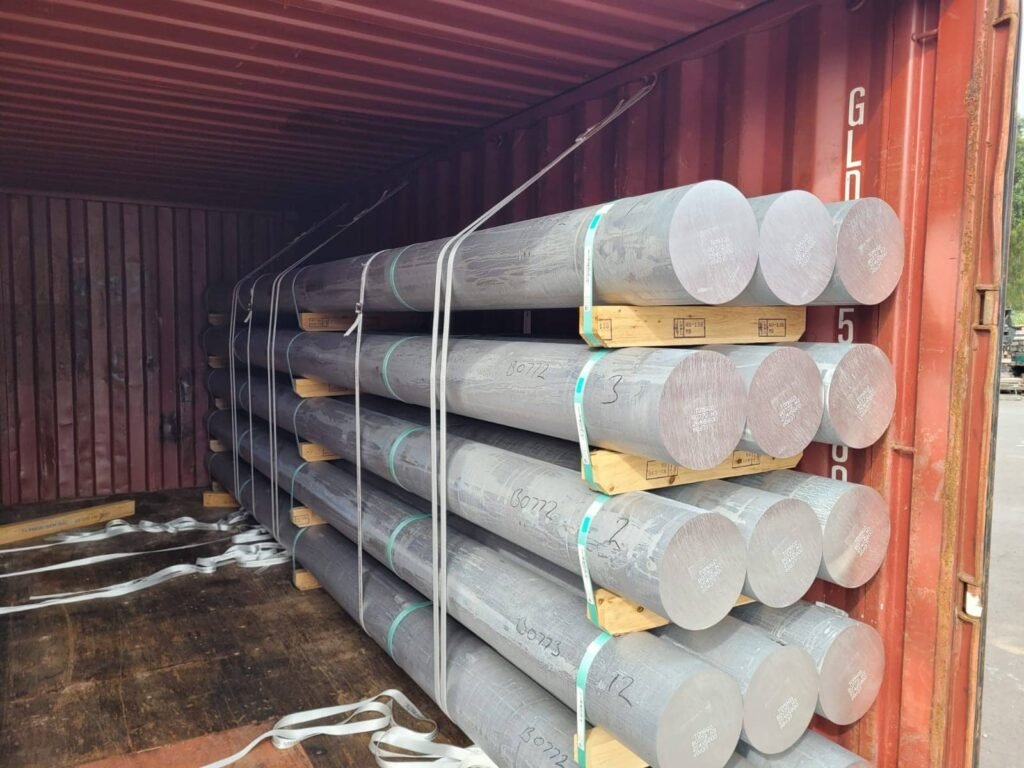

In cargo transportation, ensuring goods are properly secured is essential for safety and to prevent damage. Effective load restraint equipment, such as plywood for load restraint, plays a key role in protecting goods during transit. Plywood is versatile, affordable, and effective for cargo restraint, particularly when palletised goods are involved. In this blog, we’ll discuss the ideal situations for using plywood, its benefits, and how it can contribute to a secure and efficient cargo restraint system.
When Should You Use Plywood for Load Restraint?
Enhancing Stability During Transit
Plywood offers a sustainable and effective way to stabilise palletised goods. When double-stacking pallets on a full truckload (FTL) or container load, placing plywood between layers ensures the weight of the upper layer is evenly distributed across the lower layer. This setup helps keep the items on the lower level protected from potential damage and ensures that goods reach their destination in optimal condition.
Improving Load Security and Efficiency
Placing plywood sheets between rows of pallets can prevent load shifting and sliding along the trailer, especially helpful when dealing with long distances or rough routes. Plywood reduces friction between pallets, making it easier to load and unload, as it prevents pallet wrap from sticking between rows. This approach enhances the efficiency of the cargo restraint system, making it safer and more convenient for those handling the shipment.
Situations to Avoid Using Plywood
While plywood is a reliable choice for load restraint, certain types of cargo require alternatives. For instance, when transporting raw food products like bulk bags of wheat, using plywood might risk contaminating the load. Tiny splinters in these products can lead to rejected shipments due to strict quality standards. In such cases, corflute is preferred as it leaves no residue on the cargo, minimising contamination risks. Although corflute may not be as durable as plywood, it is a safer choice for sensitive loads, making it vital to assess the requirements of each load type.
Choosing the Right Plywood Thickness
Selecting the ideal plywood thickness depends on the load’s shape, size, and specific requirements. It’s essential to balance the strength needed to secure the load and the weight added by the plywood. Adding too much weight can affect fuel efficiency and handling; for instance, using 18 sheets of 7mm plywood weighing 10kg each could add around 180kg to a trailer.
7mm plywood is a cost-effective and widely used option within the industry. This thickness provides a good balance between durability and weight, making it ideal for many fleets.
Key Applications of Plywood for Load Restraint:
- Interlayer Packing: Plywood is frequently used as a divider between stacked pallets, known as “interlayer packing.” This method prevents goods from rubbing or shifting against each other, reducing the risk of damage during transport.
- Load Blocking: To prevent movement, plywood is commonly used alongside other load restraint equipment, like cargo bars, in a technique called “blocking.” This setup ensures the load remains stable even if empty spaces exist in the trailer.
- Friction Enhancement: Plywood is used on steel-based decks to increase friction between the deck and steel stillages, shielding the loads from sliding.
- Load Distribution: Plywood placed behind loading racks can help distribute the weight of a load and support product packaging, ensuring a more even restraint.
Understanding Blocking in Load Restraint:
Blocking is a key strategy to reduce load movement. This involves using plywood or dunnage bags to prevent cargo from shifting sideways, forward, or backward. Blocking is especially important when transporting partial loads where empty spaces may allow for movement.
For instance, when using containers where space isn’t fully utilised, dunnage or plywood sheets can help maintain load security. This ensures that the cargo restraint system provides maximum stability, preventing potential damage and reducing risks.
Tips for Effective Blocking with Plywood:
- Select the Right Plywood Size: Choose plywood thickness based on your cargo weight. Match sheet height to your cargo to prevent gaps, and ensure width provides adequate coverage. Remember that heavier loads require larger surface area for proper force distribution during transit.
- Position Your Plywood Strategically: Master three key positions for maximum security: vertical placement for tall, uniform loads to create solid wall protection; horizontal positioning for varied stack heights and better load spreading; and diagonal bracing for superior shifting prevention, especially in mixed-load scenarios. Always position sheets flush against cargo and consider overlap at corners for enhanced security.
- Account for Transit Forces: Understand that dynamic forces during transport can multiply your cargo’s effective weight. Position plywood to counter both vertical and horizontal pressures. Factor in cargo settling during transit by ensuring full coverage from floor to ceiling. Your blocking system should maintain stability even when subjected to sudden stops, turns, and road vibrations.
How Plywood Fits into Your Load Restraint System
Plywood is crucial in securing goods during transportation, especially as a part of a wider cargo restraint system that may include lashing and other equipment. From enhancing stability to preventing load shifts, it offers a practical, cost-effective solution. However, understanding when and where to use plywood is crucial for maximising its benefits. Whether blocking loads or layering pallets, plywood is a versatile material for load restraint equipment.
By using the right techniques and selecting appropriate thicknesses, companies can ensure safer, more efficient cargo transportation, ultimately leading to higher customer satisfaction and fewer damages.
If you’re looking for advice on implementing plywood or any other load restraint systems, contact X-Pak Global at 1300-551-281 and our experienced and friendly team will be happy to assist you.