By Trent Firth
Exporting goods in shipping containers has traditionally been treated as a “sea port problem” once the doors are shut. That is no longer true.
Under updates to the National Heavy Vehicle Regulator Master Code of Practice, the way goods are packed and restrained inside shipping containers is now formally recognised as a road safety risk under Australia’s Chain of Responsibility framework.
In practical terms, container packing is no longer just about sea freight stability. It needs to also address the dynamic forces experienced during transport via road before and after getting to port.
Why This Matters
Every export container travels by road at some point. If the load inside is not restrained for road forces, risks include:
- Load shift during travel which can be caused by driving or braking
- Instability caused by uneven mass distribution or high centre of gravity
- Increased risk of injury during unpacking
- Compliance exposure for parties in the supply chain
Under Chain of Responsibility, accountability can extend beyond the driver to exporters, packers, consignors, and logistics managers if container loads are not appropriately restrained.
Key Changes Exporters Need to Understand
1. Restraint Must Account for Road Forces
Container loads must now be restrained to withstand acceleration, braking, and other forces encountered during road transport, not just once at sea.
2. Mass Distribution and Centre of Gravity Matter
How weight is distributed inside the container directly affects vehicle stability. Uneven or top-heavy loading increases rollover and handling risk once the container is attached to a vehicle.
3. Generic or “Standard” Packing Is No Longer Best Practice
One-size-fits-all lashing methods, improvised bracing, or engineered packing may not provide adequate restraint for road conditions.
Exporters are expected to consider whether restraint systems are fit for the specific cargo, container type, and transport task.
4. Documentation Is Increasingly Expected
Documented loading and restraint systems are becoming the benchmark for compliance. This may include:
- Engineered loading or restraint plans
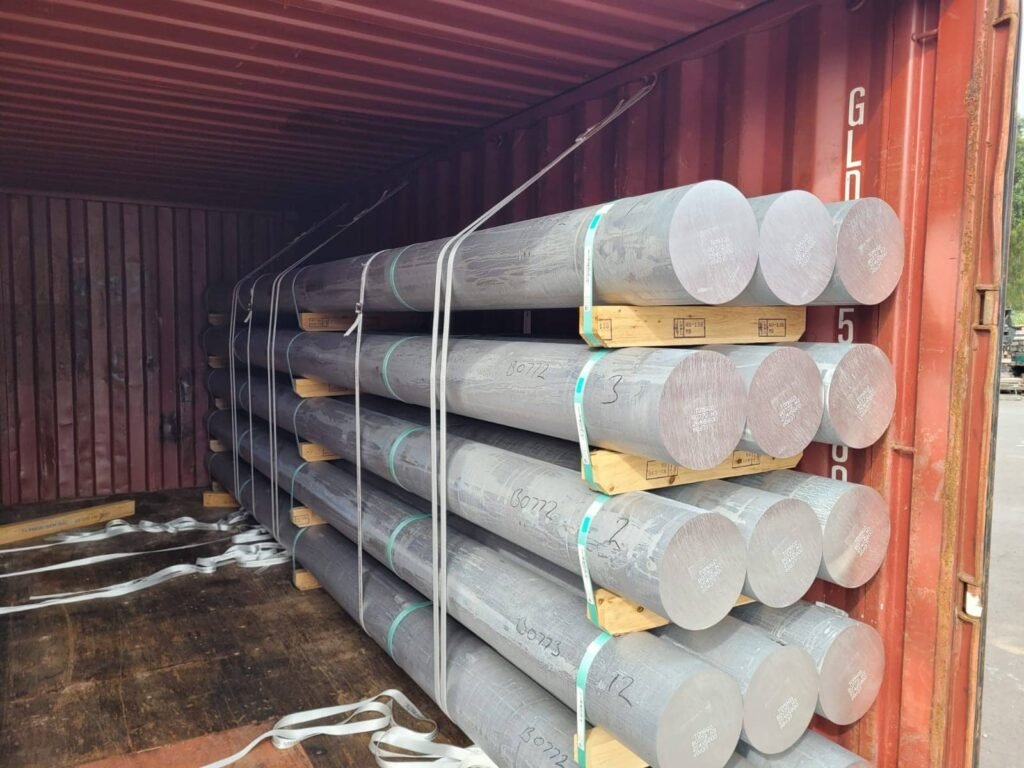
- Specific lashing, bracing, or dunnage configurations
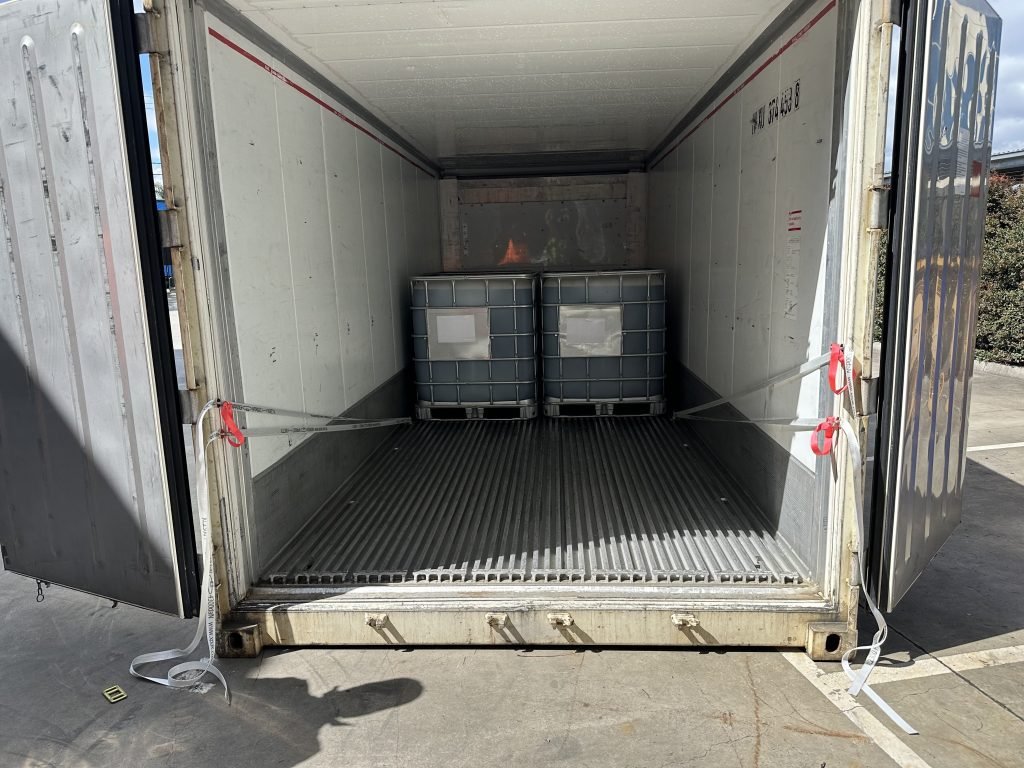
- Photo records of correctly restrained loads
- Evidence that restraint methods are suitable for all transport forces
Documentation demonstrates due diligence and helps manage Chain of Responsibility risk.
What “Engineered Load Restraint” Means in Practice
Engineered restraint involves:
- Assessing cargo weight, shape, and fragility
- Designing restraint systems that control movement in all directions
- Selecting restraint products appropriate to the forces involved
- Ensuring repeatable, standardised loading outcomes
At X-Pak Global, we support exporters by designing and supplying container restraint systems that are:
- Fit for purpose for specific cargo types
- Engineered to manage dynamic road transport forces
- Supported by clear loading guidance and documentation
- Ongoing training for your team
The Opportunity for Exporters
These changes are not just about compliance. When container loads are restrained correctly from the start, exporters benefit from:
- Improved safety during transport and unloading
- Reduced damage and product loss
- Greater consistency and efficiency across loading sites and teams
- Lower compliance and liability risk
Real Life Case Example
This approach has been best practice well before the Code changes. In collaboration with NHVR, X-Pak Global supported testing to determine safe road transport limits for large, heavy metal bolts manufactured by DSI Underground. While the products were destined for sea export, testing mimicked road transport forces such as braking and acceleration, highlighting the need for engineered restraint systems that address road requirements first, before sea conditions.
See the full case study: Safety First: How DSI Underground and X-Pak Global Ensure Safe Transportation by Road and Sea
Is Your Container Packing Still Fit for Purpose?
If you’re exporting goods in shipping containers, now is the time to review how loads are being restrained, not just how they are packed.
Reviewing your cargo securement today can prevent compliance issues, safety incidents, and costly disruptions tomorrow.
If you need help, X-Pak Global can assist you with a review and provide expert advice for your business. Get in touch.