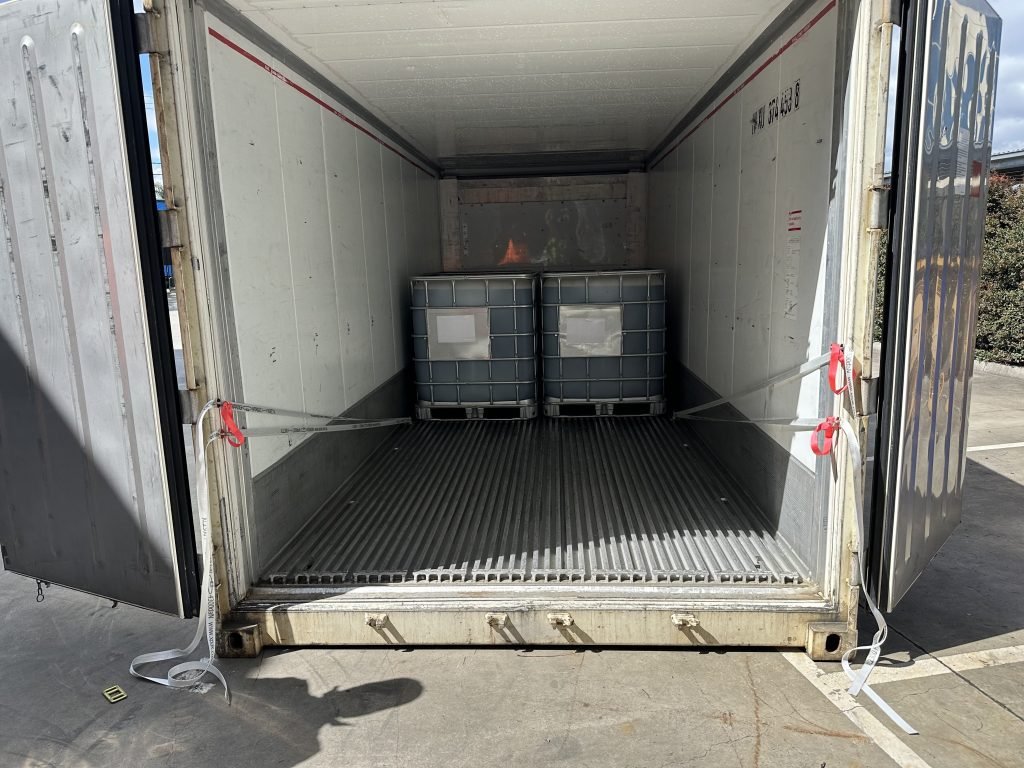

As leaders in the industry, X-Pak Global is committed to keeping our customers informed about the latest compliance updates. The International Maritime Dangerous Goods (IMDG) Code has recently been amended, with Amendment 42-24 now in its transitional phase. This means that from 1 January 2025, businesses can start implementing the updated provisions before they become mandatory on 1 January 2026.
Whether you’re shipping lithium batteries, carbon products, or using cargo tracking devices, these changes will impact how dangerous goods are transported by sea. Here’s what you need to know:
1. Lithium and Sodium-Ion Batteries: New Classifications & Packaging
Lithium batteries power everything from consumer electronics to large-scale industrial equipment. To enhance safety, the IMDG Code has introduced new classifications for battery-powered vehicles:
- UN 3556 – Vehicles powered by lithium-ion batteries
- UN 3557 – Vehicles powered by lithium-metal batteries
Additionally, sodium-ion batteries are now included under Class 9 regulations, and new packaging instructions (P912) have been introduced for damaged or defective batteries.
2. Carbon and Activated Carbon: Stricter Transport Controls
If your operations involve shipping carbon or activated carbon, note that previous exemptions (SP 925 and SP 223) have been removed. Instead, SP 978 and SP 979 introduce stricter packaging and stowage requirements to minimise risks during transport.
3. Cargo Tracking Devices & Data Loggers: New Safety Requirements
The use of tracking devices and sensors is increasing in supply chain operations. Under Amendment 42-24, any data loggers, sensors, and cargo tracking devices must now be securely installed and certified as safe for transport with dangerous goods.
4. Enhanced Stowage and Documentation Requirements
To improve safety and compliance, stowage plans must now specify both primary and subsidiary hazard classes. If an exemption is applied under a special provision, a supporting certificate must accompany the cargo documentation as required by SOLAS regulation VI/2.
What This Means for You
To assist exporters and shippers in adhering to the latest IMDG Code Amendment 42-24, X-Pak Global offers a range of load restraint and industrial packaging solutions designed to ensure compliance and enhance safety during transit.
1. Composite Strapping Systems: X-Pak’s composite strapping provides a robust and safer alternative to steel strapping, ideal for securing various types of cargo, including those classified under the new battery regulations. This strapping system ensures that items like battery-powered vehicles are firmly secured, minimizing movement and potential damage during transportation.
2. Dunnage Bags: To prevent cargo shift and absorb impacts, X-Pak offers inflatable dunnage bags. These are particularly useful for stabilising loads such as carbon and activated carbon products, which now face stricter transport controls under the updated code. By filling void spaces within shipping containers, dunnage bags help maintain cargo integrity and comply with stowage requirements.
3. Desiccant Bags: Moisture control is crucial, especially when transporting sensitive goods like batteries and carbon materials. X-Pak’s desiccant bags effectively reduce humidity levels inside packaging, protecting cargo from moisture-related damages and ensuring compliance with packaging standards.
4. Container Tarp Systems: For added security and to prevent cargo from falling out upon arrival, X-Pak provides container tarp systems. These tarps are essential for shipments that require additional containment measures, aligning with the enhanced stowage and documentation requirements of the IMDG Code.
5. Expert Consultation and Custom Solutions: Understanding that each shipment may have unique requirements, X-Pak offers free site visits, product demonstrations, and tailored advice to develop custom solutions that meet specific compliance needs. Their team of experts stays abreast of regulatory changes to provide guidance on best practices for load restraint and packaging.
By integrating these solutions, exporters and shippers can navigate the recent amendments to the IMDG Code confidently, ensuring that their cargo is secured, compliant, and protected throughout its journey.
Need help implementing these changes? Let’s talk about a solution that works for you.
For tailored compliance support and load restraint solutions, contact us today at 1300 551 281.