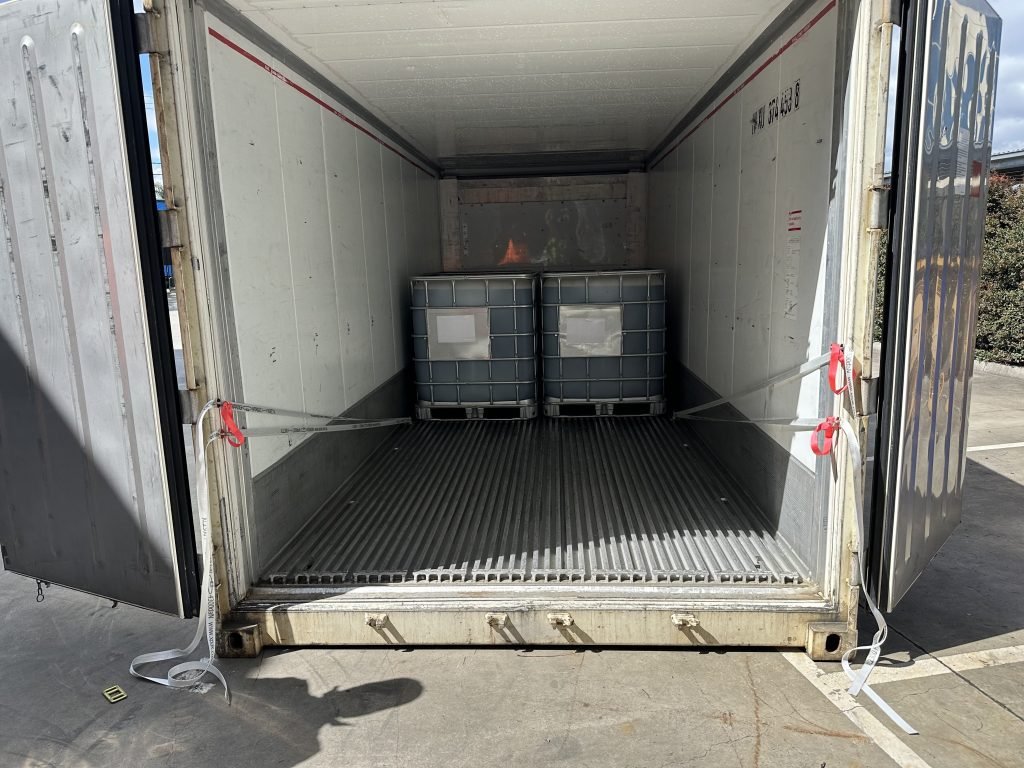
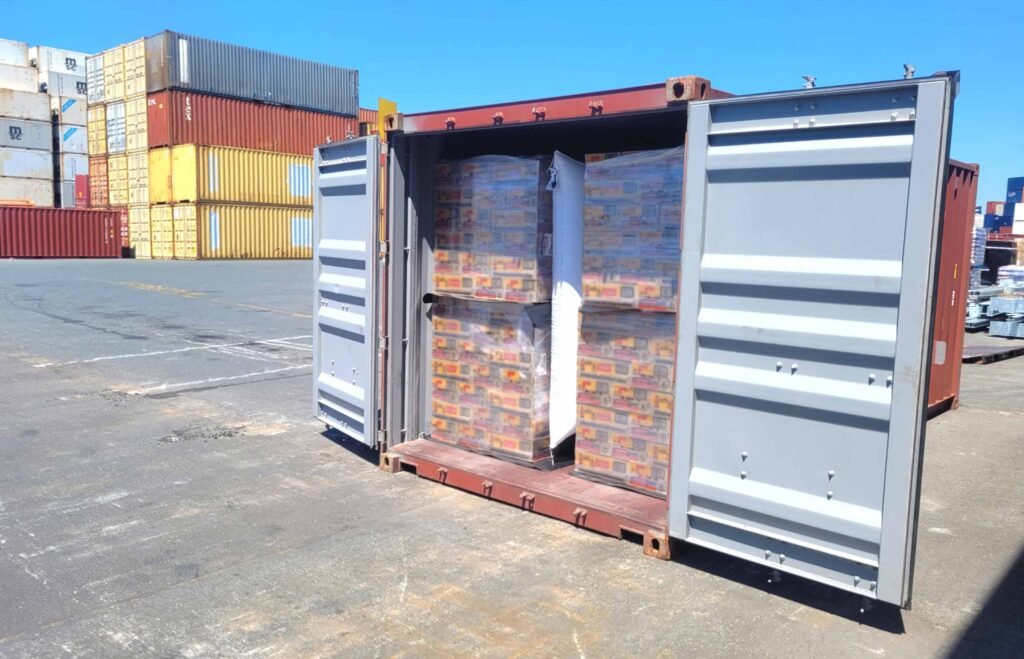
In Australia’s challenging logistics landscape, the importance of proper load restraint cannot be overstated. While the initial cost of high-quality cargo securing systems may seem high, the long-term benefits significantly outweigh the upfront investment. Let’s examine the numbers and see why investing in proper load restraint is not just a safety measure, but a smart business decision for Australian companies.
The Cost of Cutting Corners in Australia
According to the National Transport Insurance (NTI) 2020 Major Accident Investigation Report, approximately 4% of large losses in the Australian transport sector were directly attributed to load shift. This might seem small, but when you consider the overall cost of truck accidents in Australia, it becomes significant.
The Bureau of Infrastructure and Transport Research Economics (BITRE) estimates that road crashes cost the Australian economy about $30 billion annually. A considerable portion of these accidents involve heavy vehicles, where proper load securement is crucial.
The Hidden Expenses of Poor Load Restraint
- Product Damage: The Australian Logistics Council estimates that supply chain inefficiencies cost the Australian economy $50 billion annually. A significant part of this can be attributed to damaged goods due to inadequate securing during transport.
- Legal Liabilities: In Australia, the Chain of Responsibility (CoR) laws mean that everyone in the supply chain can be held responsible for breaches of road transport laws. Fines for load restraint breaches can reach up to $50,000 for individuals and $500,000 for corporations.
- Insurance Premiums: According to the Insurance Council of Australia, frequent claims due to cargo damage or accidents can lead to premium increases of up to 30% annually.
- Reputation Damage: In a country where the transport industry contributes 8.6% to the GDP, maintaining a good reputation is crucial for business sustainability.
The ROI of Quality Load Restraint
Investing in high-quality load restraint solutions offers a significant return on investment:
- Reduced Losses: The National Heavy Vehicle Regulator (NHVR) suggests that proper load restraint can reduce the risk of load shift accidents by up to 80%.
- Improved Safety: WorkSafe Victoria reports that effective load restraint systems can decrease the likelihood of workplace accidents in transport by up to 65%.
- Operational Efficiency: The Australian Logistics Council estimates that improving supply chain efficiency (including better load securing) could save the economy $10 billion annually.
The Long-Term View
While the initial cost of quality load restraint solutions might be higher, the long-term savings for Australian businesses are substantial. Companies that view load restraint as an investment rather than an expense often see improvements in safety records, customer satisfaction, and bottom-line results.
At X-Pak Global, we understand the importance of balancing cost with quality. Call us on 1300 551 281 or contact us today. Our team of experts can help you find the right load restraint solutions that not only meet your budget but also provide long-term value and peace of mind.
Remember, when it comes to load restraint in Australia, the real question isn’t “Can you afford to invest in quality solutions?” but rather, “Can you afford not to?”