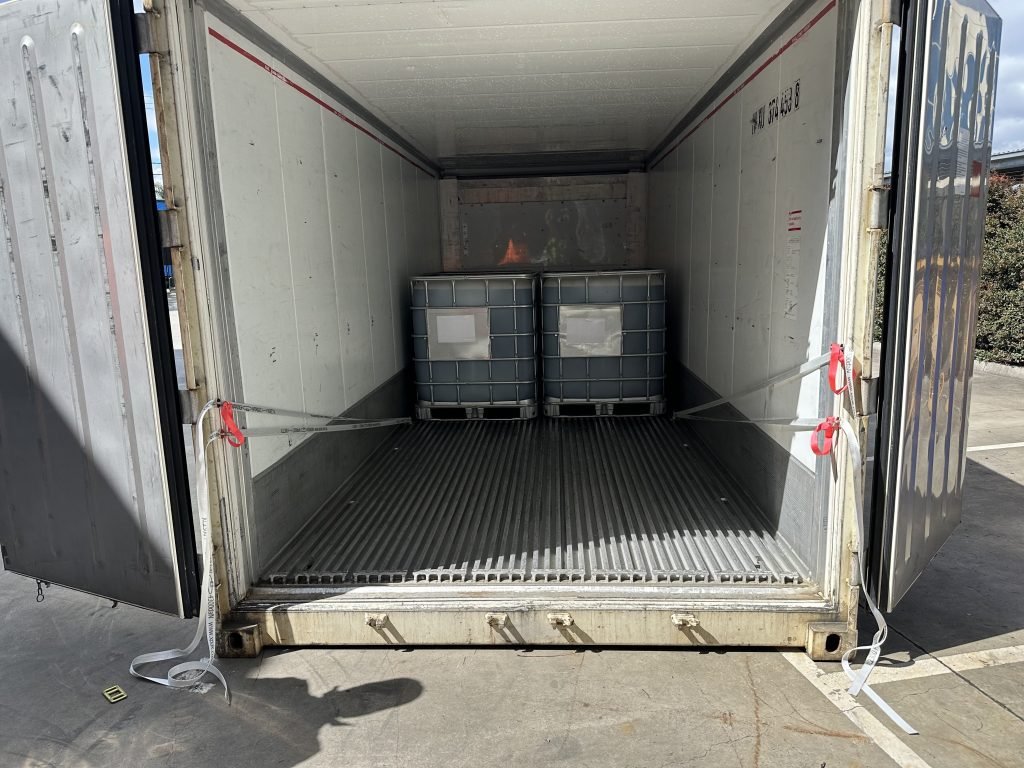

When it comes to transporting goods, ensuring their proper and secure fastening is paramount. Strapping systems play a pivotal role in safeguarding both the cargo and people involved in the logistics process. Improperly secured goods not only pose a danger to workers but can also lead to damaged stock, which in turn leads to financial impact and damage to brand reputation.
The proper utilisation of container webbing straps is crucial for securing and stabilising cargo, ensuring safe transportation and preventing potential damage or shifting during transit.
Two popular methods used to securely strap down goods are steel strapping and composite fibre strapping.
 Tensioning hazards are another concern, as improperly tensioned steel straps can snap, releasing a significant amount of stored energy, potentially causing injuries. The susceptibility to corrosion and rust further jeopardizes the integrity of the straps and poses risks to cargo when exposed to moisture.
 Steel strapping is also not recyclable or biodegradable, and it is very difficult to reuse steel strapping. It is therefore an environmental hazard that can contribute to pollution.


Steel Strapping: Challenges and Risks
Steel strapping, while a conventional choice, comes with significant drawbacks. The sharp edges of steel strapping pose injury risks to personnel and can damage both cargo and its transit packaging. Handling steel strapping requires extra care and specialised protective gear to avoid cuts and lacerations.
Tensioning hazards are another concern, as improperly tensioned steel straps can snap, releasing a significant amount of stored energy, potentially causing injuries. The susceptibility to corrosion and rust further jeopardizes the integrity of the straps and poses risks to cargo when exposed to moisture.
Steel strapping is also not recyclable or biodegradable, and it is very difficult to reuse steel strapping. It is therefore an environmental hazard that can contribute to pollution.
Composite Strapping: Safety, Efficiency, and Affordability
Composite strapping, crafted from high-tensile polyester fibres, emerges as a superior alternative. While initially perceived as more expensive than steel strapping, however this is not the case when comparing cost to steel strapping at a per metre rate, which has been increasing over recent years.
Key Benefits of Composite Strapping
- Safety First: Composite strapping eliminates the risks associated with sharp edges. If it were to snap under tension, it won’t cut workers or products, offering a safer alternative. Its flexibility makes it more shock-resistant and absorbent, reducing the risk of snapping during sudden impacts.
- Strength and Reliability: The high tensile strength of synthetic polyester reinforced strapping makes it a perfect alternative for even the heaviest loads, ensuring the security of your cargo in various conditions.
- Durability and Resistance: Unlike steel, composite strapping doesn’t rust when exposed to moisture, is UV resistant, and resists deterioration for an extended period. This makes it the ideal choice for securing products in high-moisture and outdoor storage or shipping areas.
- Efficiency and Manageability: Composite strapping is compatible with various strapping machines, making it easy to handle and manage. With only one tool needed for tensioning and cutting, it streamlines the strapping process.
- Cost-Effective Solution: Composite strapping, often considered more expensive upfront, proves to be a cost-effective solution when evaluated at a per-meter rate against steel. Its durability contributes to long-term savings, making it a financially savvy choice for securing your products.