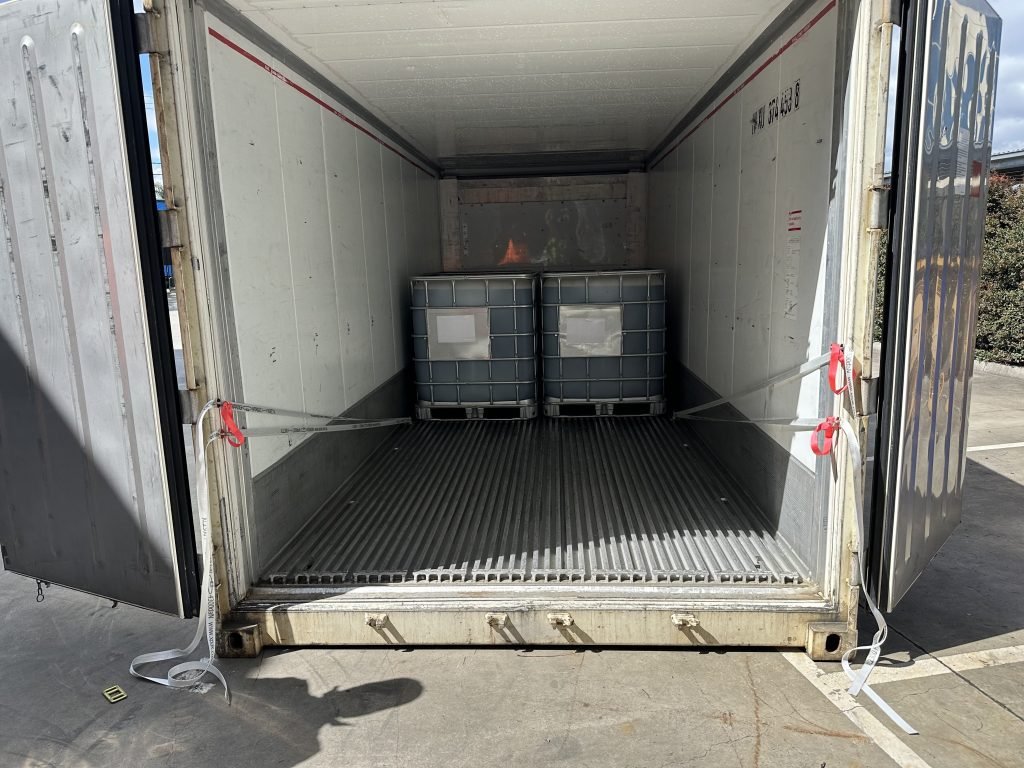

When it comes to packing and transporting goods in the logistics industry, there are various cargo restraint systems available to ensure that your cargo remains intact and safe in transit.
However, aside from systems like strapping and lashing that should be used to secure your goods, one aspect has a much bigger impact on the safety of your cargo than many people realise: the cargo dunnage bag.
Some cargo carriers might choose to use other bracing systems such as polystyrene blocks, sponge-based cushioning, or even old-fashioned timber blocking. While these technologies might work in theory, they are not as effective at absorbing shock. They are also not nearly as flexible, lightweight, or cost-effective.
Dunnage bags are extremely useful and simple devices that can go a long way in protecting your goods in transit. The key to successful application is that dunnage bags must be strong, durable and capable of withstanding a significant amount of pressure without rupturing. Two of the most common types of dunnage bags are those made from woven polypropylene and those made from kraft paper.
Let’s review this simple yet effective cargo restraint technology in order to understand whether paper or woven polypropylene dunnage bags are best.


Dunnage Bag Applications
Dunnage bags are inflatable bags designed to prevent the movement of your cargo when its transported. They are placed in between items of cargo within a container and then inflated to high pressure using compressed air until firm, filling the void and ensuring that the cargo is properly braced. This will ensure that the goods are protected from shock and impact in transit. The fact that these bags are filled with air plays a big part in their ability to absorb shock, making them an ideal form of cargo protection. The inflated dunnage bags also help prevent vibration and movement during transit to ensure that the cargo remains stable and arrives at its destination intact. These bags need to be extremely strong and capable of withstanding thousands of kilograms of pressure without rupturing.Using Dunnage Bags
Dunnage bags are stored in their non-inflated state, which is one of the benefits of dunnage bags, as they can be easily deflated, stored and transported without much impact on available space or weight as they are extremely lightweight and small when not in use. Paper bags, which have both a paper and a plastic layer, take up more space when deflated and stored than woven polypropylene bags. When cargo is being packed for transit, dunnage bags can be placed in the gaps inside a container and then inflated using a simple handheld air compressor. This process takes a few seconds, making dunnage bags extremely efficient and effective. The bags are then inflated to fill the gap and simply deflated upon arrival so that the cargo can be safely extracted from the container.
Dunnage Bag Risks
There are minimal risks to using dunnage bags in the logistics industry. These bags are generally very safe to use and pose very little risk to personnel or cargo. However, one of the biggest risks of using dunnage bags is their potential to rupture upon inflation and explode. An exploding dunnage bag could potentially injure personnel who are close by. Thankfully, the likelihood of a woven dunnage bag rupturing is very low since these bags are designed to withstand thousands of kilograms of pressure without any problem and are manufactured to very high standards. Paper dunnage bags are somewhat less reliable and more prone to tears and ruptures, making them a less safe option overall. At X-Pak Global, we test up to 10% of our level 0 woven polypropylene dunnage bags to ensure quality and consistency for the safety of our customers and their cargo. Level 1 bags and upwards undergo a 19-day pressure and burst test, so you can rest assured that our dunnage bags are of the highest possible quality. Should there be any kind of quality shortfall, we can trace the problem back to its source, from the raw material stage right through to the final product.Woven Dunnage Bag Benefits
There are numerous alternative bracing technologies that might be available that could play a similar role to dunnage bags. However, these alternatives are arguably less effective, more expensive, and less environmentally friendly. Other solutions tend to also be environmentally harmful and often cannot be used more than once, thus creating a significant amount of expensive waste. The sustainability of woven dunnage bags surpasses that of traditional dunnage bags on several fronts. Woven dunnage bags, typically crafted from durable materials like polypropylene, exhibit a longer lifespan and enhanced reusability compared to their paper counterparts. This longevity not only reduces the frequency of replacements but also minimises the demand for raw materials, contributing to resource conservation. Unlike paper dunnage bags, which can be susceptible to tearing and damage, woven dunnage bags are more resilient, resulting in reduced waste generation. Additionally, the robust nature of woven bags allows for multiple uses across various shipments, further promoting a circular economy model. The use of woven materials in dunnage bags aligns with sustainable practices, offering a greener alternative that not only meets the stringent demands of cargo securement but also minimises environmental impact throughout the product life cycle. Conversely, dunnage bags are filled with air, which is free and harmless to the environment. Paper dunnage bags are technically not entirely made of paper but, by necessity, are lined with a plastic bladder to ensure they remain airtight. This makes recycling these bags more difficult and complicated, as the paper and plastic need to be separated. Moreover, paper dunnage bags are not as strong owing to the inferior material from which they are made.