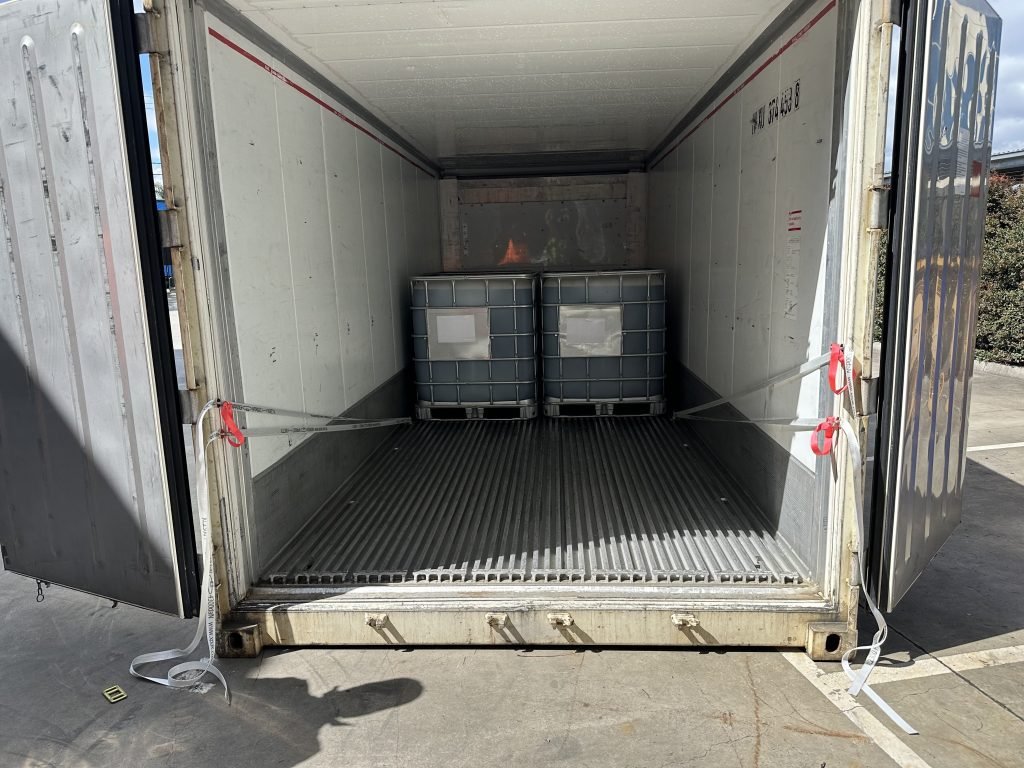

Efficient supply chain management hinges on small yet significant improvements. Selecting the right pallet strapping tools and load restraint equipment isn’t just about securing loads—it’s about optimising your entire operation. While traditional methods have served industries well, innovative solutions like Composite Strapping are changing how Australian businesses approach load security.
Pallet strapping (a.k.a. bundling or banding) involves securing inventory using specialised straps. By investing in high-quality pallet strapping tools and load restraint equipment, businesses can ensure their products are shipped or stored safely and intact.
Why Pallet Strapping Is Crucial for Your Operations?
- Preventing Product Damage: One of the primary benefits of pallet strapping is its ability to protect products from damage during transit or storage. Pallet strapping prevents items from shifting, ensuring they arrive at their destination in pristine condition. Whether shipping fragile goods or heavy machinery, pallet strapping kits help maintain product integrity.
- Enhancing Workplace Safety: Improperly secured products pose significant safety risks to employees. Loose items can fall, causing injuries on the production floor or during transportation. Using reliable pallet-securing products reduces the likelihood of accidents, creating a safer work environment.
- Australian Load Restraint Regulatory Requirements: The Load Restraint Guide 2018 sets stringent standards for using bundling tools and securing products. All loads secured with load restraint equipment must withstand forces equal to:
80% of the weight in the forward direction
50% of the weight sideways and rearwards
20% of the weight vertically
Non-compliance can result in hefty fines of up to $10,000 per incident. This is why professional pallet strapping tools and load restraint equipment are essential investments rather than optional expenses.
Choosing the Right Pallet Strapping Material
Selecting the appropriate pallet strapping is essential. Factors like load weight, elongation, and recovery capability determine the most suitable material. Below are three main types of pallet strapping:
1. Composite Strapping
- Best for: Multiple uses of applications for bundling, palletisation, which require superior safety and efficiency
- Advantages: Steel-equivalent strength, no dangerous recoil, weather-resistant, UV-protected, single tool operation
- Considerations: Premium solution with higher initial investment, but offers long-term cost benefits through reduced maintenance and increased safety. Ideal for operations looking to upgrade from traditional steel strapping.
2. Polyester (PET) Strapping
- Best for: High volume strapping, securing goods with sharp edges
- Advantages: Excellent recovery properties, high break strength, maintains tension during transit, good weathering resistance
- Considerations: Requires proper tools for tensioning and sealing. Initial training needed for optimal application performance.
4. Steel Strapping
- Best for: Heavy industrial loads, lumber, steel coils, brick and construction materials
- Advantages: Maximum break strength, high tensile strength, performs well in extreme temperatures
- Considerations: Higher risk of product damage and workplace injury, susceptible to rust and corrosion, requires specialised tools and training. Most expensive option with additional disposal considerations.
Read Also: Comprehensive Guide to using Composite, PP, and PET Strapping
The Role of Pallet Strapping Tools
Investing in quality tools and equipment saves time, reduces material waste, and improves overall safety. A bundling kit typically includes tools like tensioners, sealers, and buckles, streamlining the securing process.
X-Pk offers professional pallet strapping tools and comprehensive starter kits. Designed specifically for first-time users of composite strapping, our kits include essential load restraint equipment and pallet securing products to ensure success. Each kit provides everything needed for effective bundling. Our expert team provides comprehensive training and ongoing support to ensure you maximise the value of your investment in our professional pallet strapping tools.
Secure Your Products with Confidence
Pallet strapping for storage and shipping is an indispensable part of any efficient supply chain. With the right tools and materials, businesses can protect their products, enhance workplace safety, and optimise storage space.
Whether you’re new to strapping or upgrading from traditional load restraint equipment methods, our starter kits offer a seamless transition to superior load security. Contact X-Pak today to discover how our innovative pallet securing products can transform your operations.