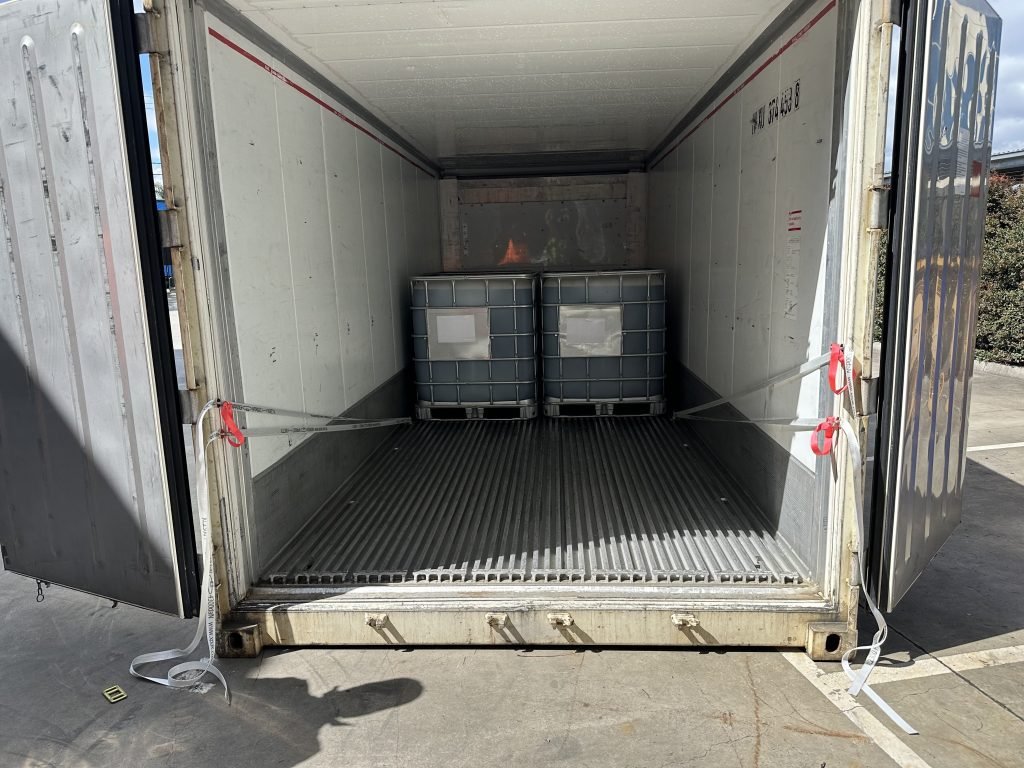

Effective load securing is crucial in many industries, and choosing the right strapping material and application technique is key to ensuring safe and efficient transport. This guide provides an overview of composite, polypropylene (PP), and polyester (PET) strapping, with a focus on their unique properties and application methods.
Understanding Strapping Materials: Composite, PP, and PET
- Composite Strapping: Known for its high strength-to-weight ratio and ease of use. X-Pak’s primary strapping product. Safer than steel but with the strength to match.
- Polypropylene (PP) Strapping: A versatile and cost-effective option suitable for lighter loads.
- Polyester (PET) Strapping: Offers high tensile strength, ideal for heavier applications where speed is prioritised.
Essential Tools for Strapping Application
The tools required vary depending on the strapping material:
- Composite strapping: All-in-one tensioner with integrated cutting mechanism
- PP or PET strapping: Poly strapping tensioner and separate cutting tool
- Galvanised buckles (used with all types)
Step-by-Step Composite Strapping Application Guide
1. Preparation
Gather all necessary materials: strapping, appropriate tools, and the load to be secured. Ensure all equipment is in good working condition.
2. Buckle Threading & Bundling
Thread the strap through the buckle and then ‘hand tighten’ the system as shown in this instructional video:
Feed the strap under pack first, then bring over the top of the cargo.
3. Tool Setup
Feed the strap through the strapping tensioner.
4. Tensioning Process
Apply tension gradually using the tensioner’s ratcheting mechanism.
5. Completion
Once optimal tension is achieved, squeeze down on the handle to operate the cutter, then pull the tensioner away once the strap is cut. A key benefit of using composite strapping and its associated tensioners is the ease of use of an all-in-one tensioning and cutting tool.
Advantages of Composite Strapping
X-Pak’s composite strapping, used with an all-in-one tensioner, offers numerous benefits that set it apart from traditional steel and plastic strapping options:
- Efficiency: Streamlined process with a single tool for tensioning, securing, and cutting, significantly reducing application time.
- Superior Strength: With a break strength of up to 1,100 kg, composite strapping provides exceptional load securing capabilities. It maintains tension throughout transit, ensuring loads remain stable even under challenging conditions.
- Lightweight Yet Durable: Despite its high strength, composite strapping is lightweight, making it easier to handle and apply. This reduces operator fatigue and improves overall productivity.
- Cost-Effectiveness: More cost-effective than traditional strapping systems such as steel strap.
- Safety Improvements: Unlike steel strapping, composite strapping doesn’t have sharp edges, reducing the risk of injuries during handling and application. It also isn’t rigid like the steel, so won’t recoil dangerously when cut.
- Ease of Use: The simplified application process reduces training requirements and potential errors. The all-in-one tool makes it easy for operators to achieve consistent, secure strapping results.
- Versatility: Suitable for a wide range of applications, from securing pallets to bundling irregular shapes. It performs well in various environmental conditions, including extreme temperatures.
- Corrosion Resistance: Unlike steel strapping, composite strapping doesn’t rust or corrode. It has UV resistance materials woven into it, to increase lifespan of the strapping when packs are stored outdoors.
Prioritising Safety in Strapping Applications
Regardless of the chosen strapping material, proper application is essential for load security and overall safety. Always adhere to manufacturer guidelines and industry best practices. Correct strapping not only protects goods but also ensures the safety of all parties involved in the transport process.
Expert Assistance for Your Strapping Needs
For professional advice on selecting the most suitable strapping solution for your specific requirements, contact X-Pak Global at 1300 551 281. Our team of specialists can provide guidance on composite, PP, and PET strapping options, helping you optimise your load securing processes.