
Understanding Dunnage Air Bags for Effective Load Restraint
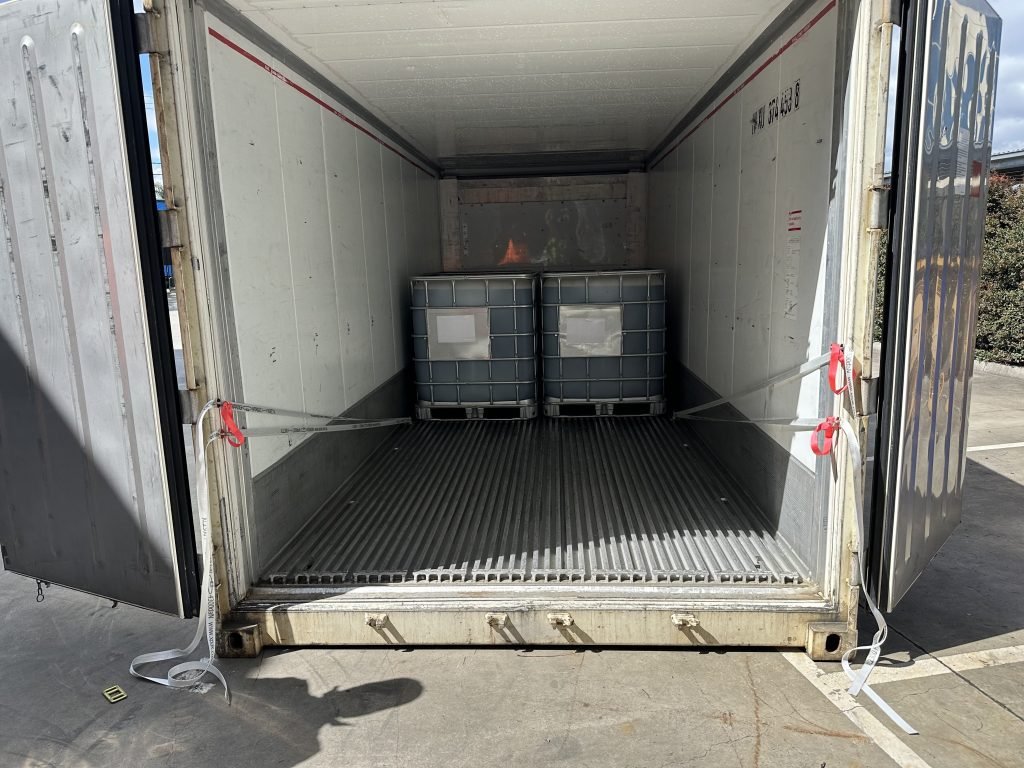
Dunnage air bags offer a reliable method for stabilising cargo during transit. Whether shipping goods in containers, trucks, rail cars, or vessels, these inflatable cushions fill the gaps between pallets or crates, preventing unwanted movement and protecting valuable freight. When used correctly, dunnage air bags deliver cost savings over traditional timber blocking and bracing, reduce loading times, and lower the risk of damage claims.
Equipment Selection and Compatibility
Valve and Connector Compatibility
Different manufacturers use various valve designs on their dunnage bags. Before loading, check your valve type and select a compatible connector to ensure smooth inflation. This simple step prevents air leakage and maintains optimal pressure throughout the journey.
Inflation Tools
The right inflation tool makes a significant difference in operational efficiency:
- Conventional air compressor systems – Provide reliable pressure but require hoses and fixed air sources
- Battery-operated inflators – Offer cordless convenience, eliminate trip hazards from trailing hoses, and allow single-operator use. X-Pak’s portable Inflate-X Pro’s battery-operated inflator delivers impressive 28 cubic feet per minute airflow—outperforming many traditional compressors
Protecting Your Investment
Shielding Against Sharp Edges
Rough or protruding surfaces can compromise bag integrity. Always place cardboard or plywood as a buffer when securing items with exposed metal or sharp corners. This simple precaution significantly extends the service life of your dunnage bags.
Floor Protection
Container floors often harbour nails, splinters, or moisture that could puncture dunnage air bags. Ensuring bags are kept off the floor when inflating between pallets avoids these hazards and preserves the bag’s function.
Matching Strength to Load Requirements
Dunnage air bags are graded from Level 0 through Level 5 based on their construction and material strength. For road transport, Level 1 bags are the best option if they will be able to be reused in a closed-loop system. Intermodal shipments moving between truck and rail often require Level 1 or 2 bags. Container loads for sea freight typically use Level 0 for one-way use, while rail transport with heavier goods may need higher level bags.
Common Implementation Mistakes

Exceeding Void Capacity
Overstretching a bag beyond its rated gap size compromises its load-holding ability. Always select a bag size appropriate for the void you need to fill.
Incorrect Bag Placement
Placing multiple bags directly side by side can lead to instability as air redistributes. Space them evenly throughout the load, or use single, correctly sized bags for each void. For gaps larger than 400mm, specialised dual bag systems provide a better solution than standard bags.
Height Mismatches
Using bags taller than your cargo allows air to balloon upward and reduces effectiveness. Select bags that align with your load height for optimal stability.
Improper Inflation
Both under and over-inflation compromise performance. Under-inflation fails to properly secure the load, while exceeding the recommended pressure risks bag rupture. Modern inflators such as our Inflate-X Pro have preset pressure controls which eliminate this risk by stopping automatically at the optimal level.
Door Placement Risks
Pressure against the door creates a dangerous release hazard when opened. If you have a gap near the door, you can use a system like an Inflatable Container Door tarp. Alternatively you could use a lashing system such as the pre-assembled Load-Lash, or our innovative Cargo-Lock system, a unique combination of dunnage and lashing, to secure your products.
Sizing Guidelines
To determine the right dunnage air bag for your shipment:
- Measure the void horizontally between cargo faces
- Measure vertically from floor to top of load, accounting for pallet height
- Select a bag that fits within these dimensions without overstretching when inflated
- Consider custom-sized options for unusual dimensions or special requirements
Environmental and Efficiency Benefits
Modern dunnage air bags offer environmental advantages over traditional blocking methods:
- Reduced waste compared to single-use timber
- Lower carbon footprint from transport (lightweight)
- Reusable options available for regular shipping routes
- Faster loading and unloading times conserve fuel and reduce emissions
Safety and Compliance
Australian transport regulations, including the Load Restraint Guide 2018 and Chain of Responsibility legislation, require proper cargo securing. Correctly implemented dunnage air bag systems help meet these requirements while protecting your business from compliance issues.
Shippers across Australia—from Queensland to Western Australia, Victoria to the Northern Territory—rely on properly deployed dunnage air bags to maintain load integrity during transit across the continent’s challenging transport networks.
Expert Advice
For professional guidance on selecting the right dunnage air bags for your specific needs, contact us to provide a free site assessment. X-Pak can recommend optimal solutions based on your unique cargo and transport requirements. You can visit us in Tamworth. Proper implementation not only protects your goods but also contributes to safer roads and more efficient freight movement across Australia.