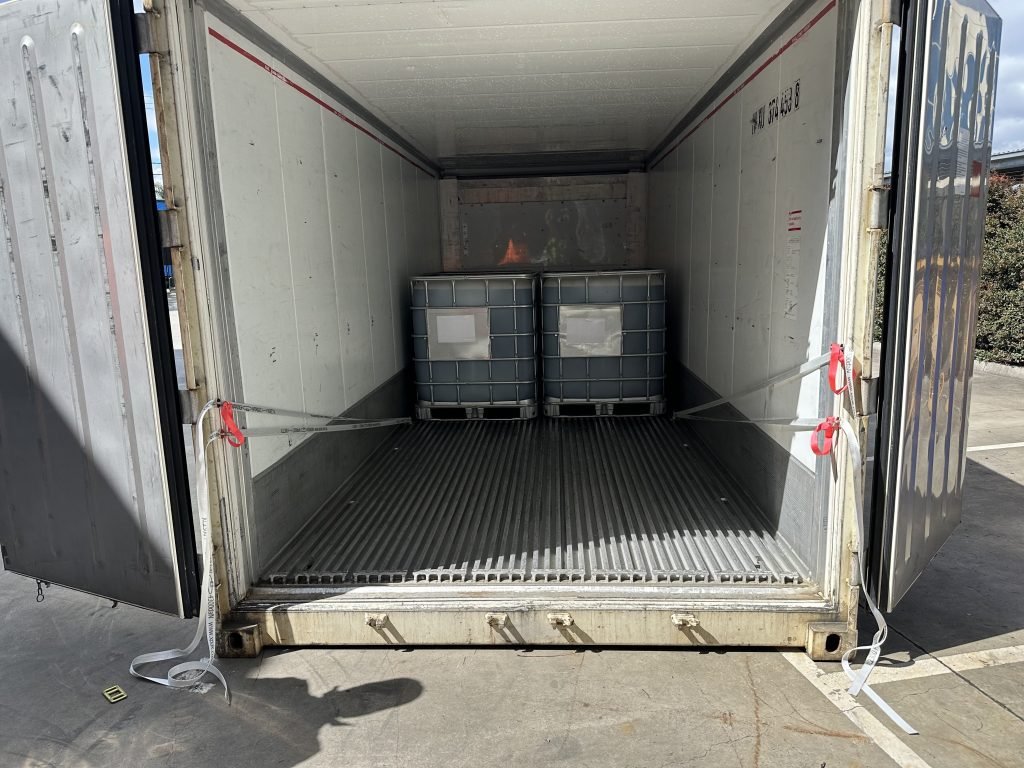

Cargo restraint is a term used for describing the various tools and methods for ensuring that goods being transported are held down and cannot move in transit. The shifting and movement of cargo in transit can result in damage to property as well as potential injury to the personnel who have to work with the cargo ‒ whether it is unloading, loading or otherwise.
Therefore, it is an extremely important aspect of logistics, as goods cannot be transported safely without it.
There are various kinds of cargo restraints available. Some are experimental and quite innovative, whereas most are classic and are essentially a spin on the age-old practice of tying things down with ropes.

Lashing And Strapping
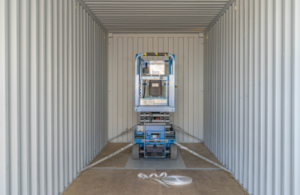
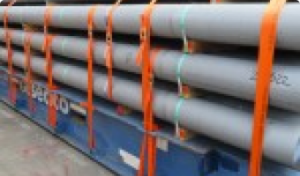
Modern-day cargo restraint centres mostly on lashing and strapping, with the use of dunnage bags and other paraphernalia to pad the cargo after it has been secured. Lashing uses ratchets and lashes, which are usually made out of robust nylon ‒ similar to seatbelts ‒ and are tensioned to the point where the cargo cannot move at all. Lashing can also involve a complex array of nets that are stitched and shaped in certain ways to prevent the cargo from shifting. Strapping, on the other hand, is made of a type of polymer nicknamed ‘plastic steel’, which is extremely hard and tough and has an extremely high tensile strength. This disposable yet recyclable material is used to secure heavy loads and is pre-tensioned using special tools.