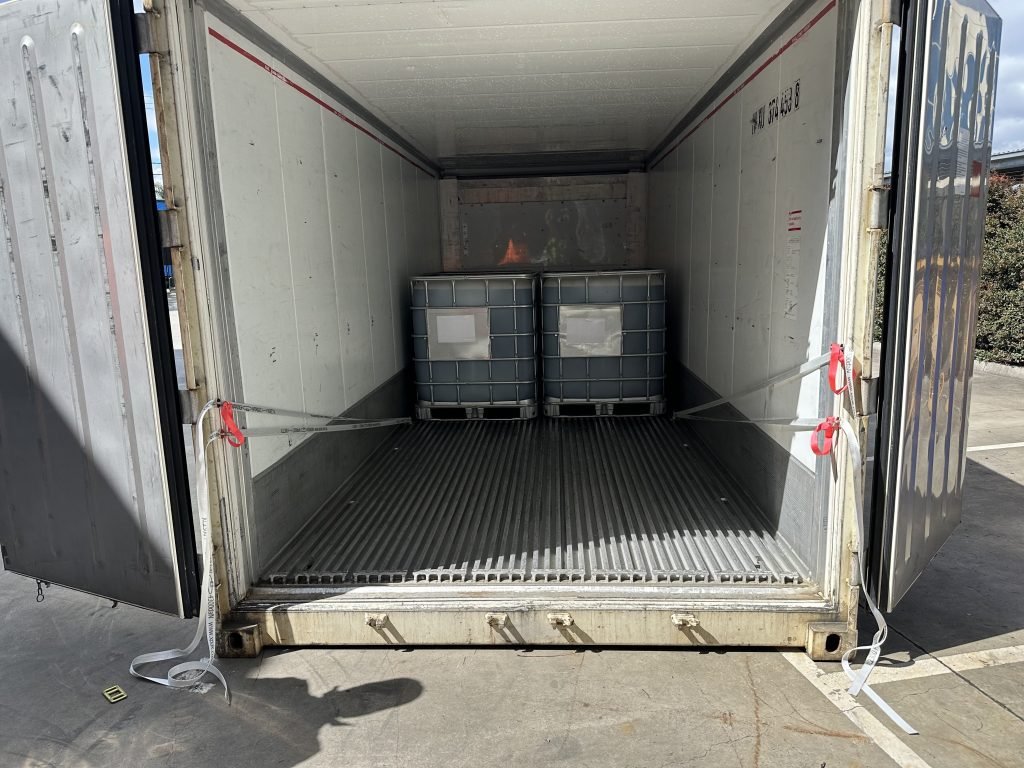

Ensuring the safe transportation of goods in shipping containers is crucial for any logistics or freight operation. The Chain of Responsibility (CoR) laws under the Heavy Vehicle National Law (HVNL) require strict adherence to safety standards to protect cargo and personnel. Moving heavy loads, whether by road from Perth to Brisbane or by sea through major ports like Port Botany, comes with specific responsibilities and regulations. Installing the right load restraint systems is key to securing cargo and ensuring its safe arrival at its destination.
In this guide, we’ll explore effective load restraint tips, covering everything from selecting the best restraint systems to packing methods. Whether you’re moving goods domestically or internationally, these tips will help protect your cargo and comply with the relevant safety procedures.
Understand Local and International Transport Regulations
The first step in securing your shipping container is understanding the rules and regulations governing its transport. Familiarity with these laws ensures your operation complies with both Australian Standards (including AS/NZS 4344:2001 for cargo restraints) and international safety standards.
The National Transport Commission’s Load Restraint Guide 2018 provides comprehensive requirements for transporting cargo within Australia, while the International Maritime Organisation (IMO) outlines minimum requirements for international shipping. The Code of Practice for Packing of Cargo Transport Units (CTU Code) is another essential resource, offering detailed guidelines on how to pack and secure cargo effectively. By adhering to these standards, you’ll ensure that your cargo remains safe throughout its journey.
For more information visit https://xpak.stagingshub.com/ensuring-transport-compliance/
Choose High-Quality Shipping Containers
Even though shipping containers are designed for durability and long-term use, regular inspections are critical to maintaining safety. Containers typically last up to 15 years; however, Australia’s harsh climate, from the corrosive coastal conditions of Queensland to the extreme heat of Western Australia, can accelerate wear and tear.
Before loading, thoroughly inspect your shipping container for structural integrity in line with Australian Standard AS 3711.4 for freight containers. Any visible damage, such as dents, rust, or weakened areas, can compromise the safety of the goods inside. Meeting NHVR requirements for container conditions helps mitigate the risk of accidents during transit, ultimately protecting your cargo.
Pack and Secure Cargo Properly
Properly packing cargo is vital to complying with load restraint systems regulations. Even with the right restraints, the cargo inside must be tightly packed to prevent shifting during transit.
To fill gaps between items, use materials like dunnage bags. These will help stabilise the load and prevent movement. After assessing the potential movement and pressure the cargo may experience during transit, apply a container lashing system to secure it more effectively. Proper weight distribution is also essential; ensure that the weight is evenly spread across the container and that you don’t exceed the allowable load limit as specified by the National Heavy Vehicle Regulator (NHVR).
Implement the Correct Load Restraint Systems
Load restraint systems play a crucial role in securing goods inside shipping containers. The type of system you use should comply with Australian Standard AS/NZS 4344:2001 and depend on the cargo’s weight and mode of transport. Whether it’s heavy mining equipment headed for the Pilbara or fragile goods bound for Melbourne’s distribution centres, choosing the right equipment is essential.
X-Pak’s lashing systems and shipping container load restraints are engineered to meet stringent Australian safety standards and are designed to minimise cargo movement. Additionally, using safety door straps can help prevent injuries by preventing cargo from shifting against the doors during transit. Regular inspections and maintenance of your load restraint systems, as required by WorkSafe authorities in each state and territory, will ensure they remain effective and in good working condition.
Use a Detailed Container Checklist
A checklist is an excellent tool to ensure that all safety procedures have been followed before shipment. Every time you load a shipping container, review the checklist to cover all necessary steps, from inspecting the container’s structure to verifying the proper use of load restraint equipment in accordance with Australian Standards. I’ts important to remember that even imported containers can be bound by Australian regulations.
Your checklist should include
- Inspection of the shipping container for structural damage.
- Verify even weight distribution and ensure there are no gaps between goods.
- Confirming that all load restraint and container lashing systems are properly in place and secure.
Final Words
Transporting goods in shipping containers comes with responsibilities, including compliance with safety standards and regulation s. Following these load restraint tips will help ensure your cargo arrives safely, protect your client’s interests and maintain the integrity of your operation. Proper planning, the correct equipment, and attention to detail are crucial for minimising risks.
For expert advice and high-quality load restraint solutions for shipping containers, contact X-Pak Global at 1300 551 281. Our team can assist with all your load restraint needs, ensuring your cargo is safe, secure, and compliant with all Australian and international regulations.
Related Post: Load restraint methods for shipping containers