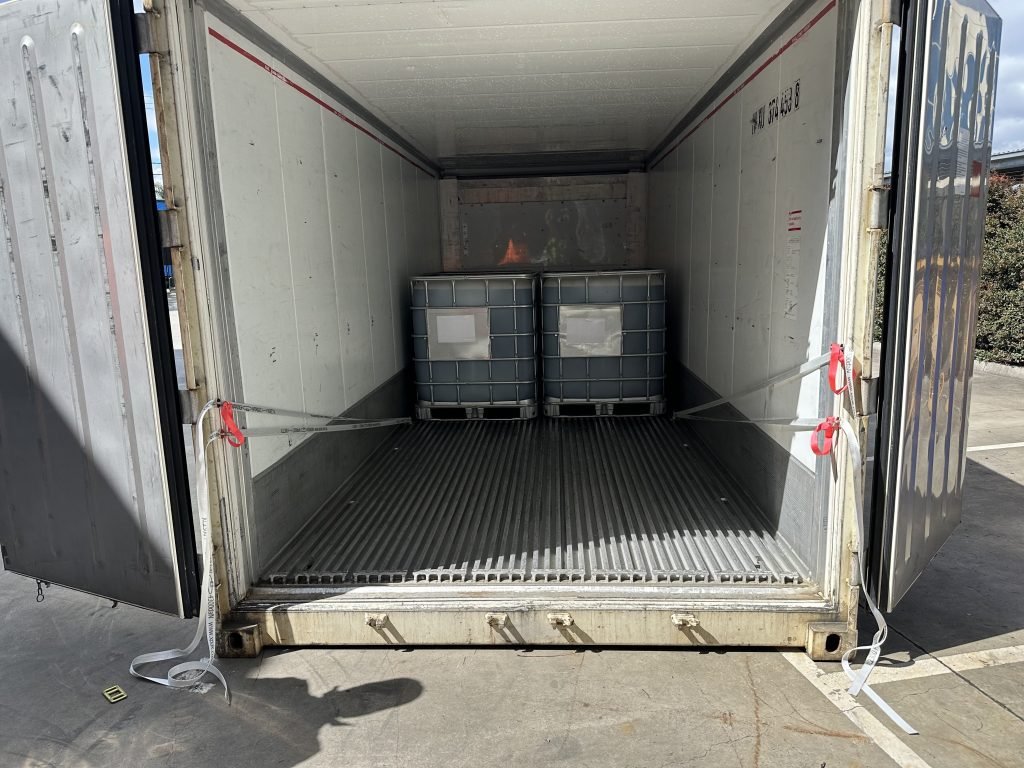
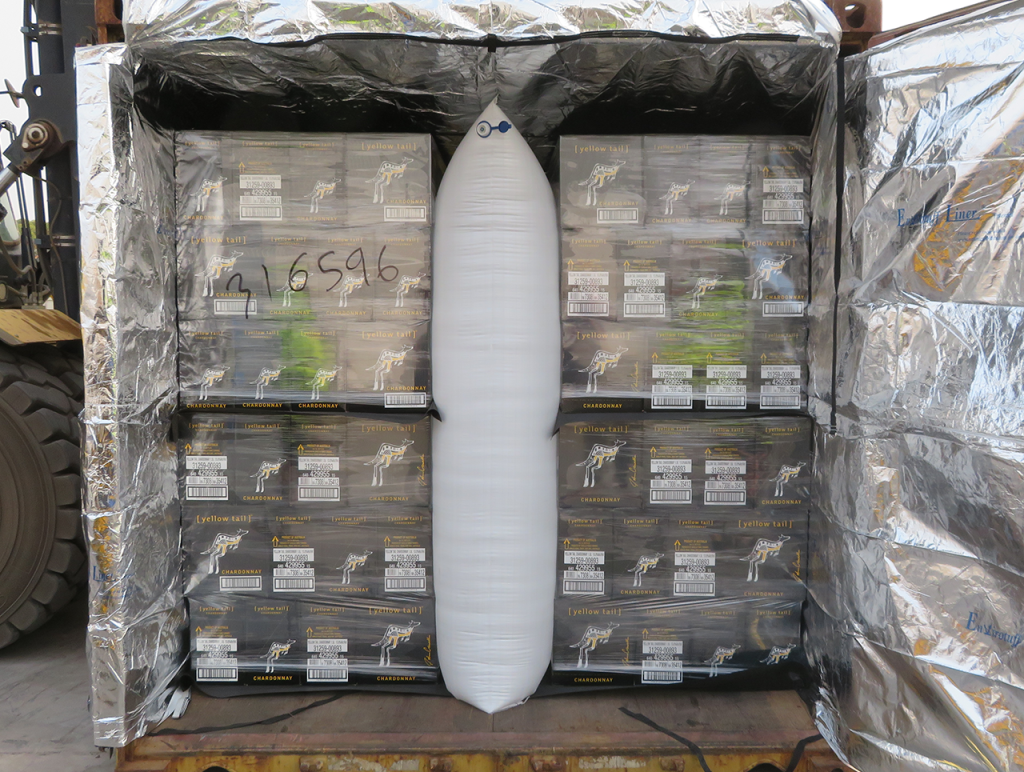
For Australian transport operators, preventing cargo movement inside containers or trailers is a compliance obligation under the NHVR Load Restraint Guide (2025) and the CTU Code of Practice. One of the most effective and economical ways to secure freight is by using dunnage bags, also known as container air bags.
When used correctly, these inflatable cushions create a stable pressure barrier between cargo units, reducing impact and preventing load shift during road, rail or sea transport. But choosing the correct size and material is essential to make sure the system performs safely under Australian freight conditions.
Why Dunnage Bags Matter in Load Restraint
Every load experiences vibration, cornering force and braking impact. If cargo shifts even a few centimetres, it can damage packaging or compromise container doors. According to industry data, load movement contributes to roughly 15% of recorded container damage incidents in international freight. Proper void filling with certified dunnage bags is a proven way to reduce this risk.
X-Pak’s dunnage bags are part of its certified cargo restraint systems range, tested for compliance with Australian and international standards. Each product is designed for repeatable, traceable performance, important for operators working under Chain of Responsibility requirements.
Determining the Right Size
The first step in choosing a dunnage bag is understanding the void size between pallets, drums or machinery. The bag must fill this space snugly but without excessive inflation pressure.
- Small voids (approx. 100–200 mm): lighter, close-packed loads.
- Medium voids (200–400 mm): standard palletised freight or mixed cartons.
- Large voids (400 mm+): dual or heavy-duty configurations for broader load contact.
Selecting the correct bag ensures the internal pressure supports the load evenly, keeping forces balanced during acceleration and braking. Too small a bag will not stabilise the freight; too large a bag can overstress packaging or container panels.
X-Pak’s Level 1 Dunnage Bags are commonly used for commonly used for export and for reuse on standard rail loads, while Level 2 Dunnage Bags are specified for heavier consignments and longer transit times. Where larger voids or irregular loads exist, Dual Dunnage Bags provide the required stability across wider gaps.
Selecting the Right Material
Most Australian operators now prefer woven polypropylene outer layers for durability and moisture resistance. This construction prevents tearing when cargo has rough edges or when humidity levels are high inside sealed containers. Inside, a co-extruded polyethylene liner maintains air pressure even under vibration and temperature change.
The combination gives the bag both structural strength and airtight performance, important for export routes that may involve tropical climates, high humidity or long dwell times in ports.
All X-Pak dunnage bag types, use this same dual-layer structure, giving consistent reliability across the range. The difference lies in their tested pressure ratings and valve design, which match the bag’s size and intended application.
Inflation and Installation
Inflation accuracy determines how well the dunnage bag performs in real conditions. Under-inflated bags will compress and allow movement; over-inflated ones may stress the packaging or lose pressure unevenly.
X-Pak provides a range of inflators specifically designed for its bags, including the Inflate-X Pro Portable Inflation Unit for high-throughput container loading, and the Premium Plastic Inflator with Gauge for manual inflation where pressure monitoring is required.
The correct technique is to inflate the bag until it firmly fills the void, without bowing the cargo. The Inflate-X Pro Portable Inflation Unit sets the pressure, making it impossible to over-inflate. Once inflated, the valve should be checked for air tightness and capped to maintain consistent internal pressure.
Integrating Dunnage Bags into a Certified Cargo Restraint System
A dunnage bag works as part of a complete cargo restraint system, not as a standalone device. It should complement other certified restraint components, such as:
- Container Lashing Systems for high-mass items or mixed pallet stacks.
- Anti-Slip Mats to reduce base movement under heavy braking.
- Edge Protectors to prevent strap compression damage.
Using compatible components from one supplier ensures all parts are rated and tested under the same compliance framework, reducing the risk of system failure.
Compliance and Testing
X-Pak’s dunnage bags are AAR verified. Uncertified airbags or generic imports may not meet these performance criteria. Under NHVR regulations, a load restraint system must prevent movement in all directions under expected forces. Using certified, tested equipment from a recognised supplier like X-Pak helps meet those obligations and reduce compliance risk.
Performance in Australian Conditions
Temperature variation and humidity are key challenges in Australian freight. During sea export or long-haul road transport, container temperatures can fluctuate by more than 40 °C in a single day. The woven polypropylene outer layer used in X-Pak’s bags resists both moisture and abrasion, while the co-extruded polyethylene inner maintains air retention through repeated expansion and contraction cycles.
Operators carrying sensitive goods, such as beverages, packaging materials or electronics, often combine dunnage bags with container desiccants or thermal liners to manage condensation and heat transfer. X-Pak supplies both, allowing customers to build a complete container-protection package.
Real-World Application Example
A Queensland food exporter shipping palletised products to Singapore previously reported carton bulging and corner damage caused by movement within 40-foot containers. After switching to Level 1 polywoven dunnage bags and using the Inflate-X Pro system for consistent inflation, void movement was virtually eliminated. The change reduced product damage and insurance claims by an estimated 10% over six months.
This type of operational improvement reflects how correctly sized and pressurised dunnage bags directly contribute to product quality and compliance confidence.
Practical Tips for Operators
- Measure accurately. Use a simple measuring stick or gauge between loads before selecting bag size.
- Avoid overfilling. A properly inflated bag should not deform the packaging.
- Check for leaks. Hold the valve area near your ear; any hissing indicates a faulty seal.
- Pair with desiccants in humid routes. Moisture control complements load stability.
Why Choose X-Pak Global?
X-Pak is recognised across Australia and New Zealand as a leader in certified cargo restraint systems, delivering more than just equipment. Each solution is supported by free site assessments, on-site training, and comprehensive compliance documentation to help operators maintain NHVR and Chain of Responsibility standards.
Its range of dunnage bags, portable inflators, and load-securing accessories forms part of an integrated restraint system developed specifically for logistics, manufacturing, and export environments. Every X-Pak product is tested and verified to meet the NHVR, CTU Code, and IMDG requirements, providing a proven, auditable pathway to safer, more efficient freight transport across Australia’s supply chain.
Final Words
Every cargo configuration presents unique load-restraint requirements.The best approach is to have your site assessed by an X-Pak load-restraint specialist who can specify the correct dunnage bag size, quantity and compatible tools for your operation.Explore the full Dunnage Bag range or contact the X-Pak team to arrange a free on-site consultation.