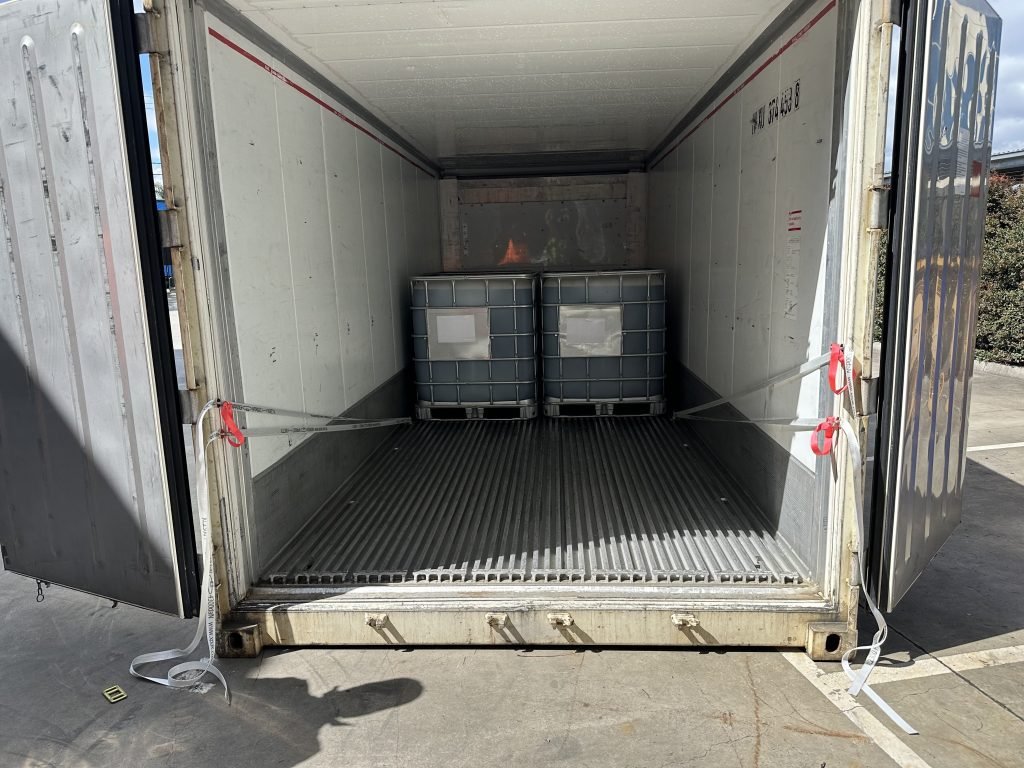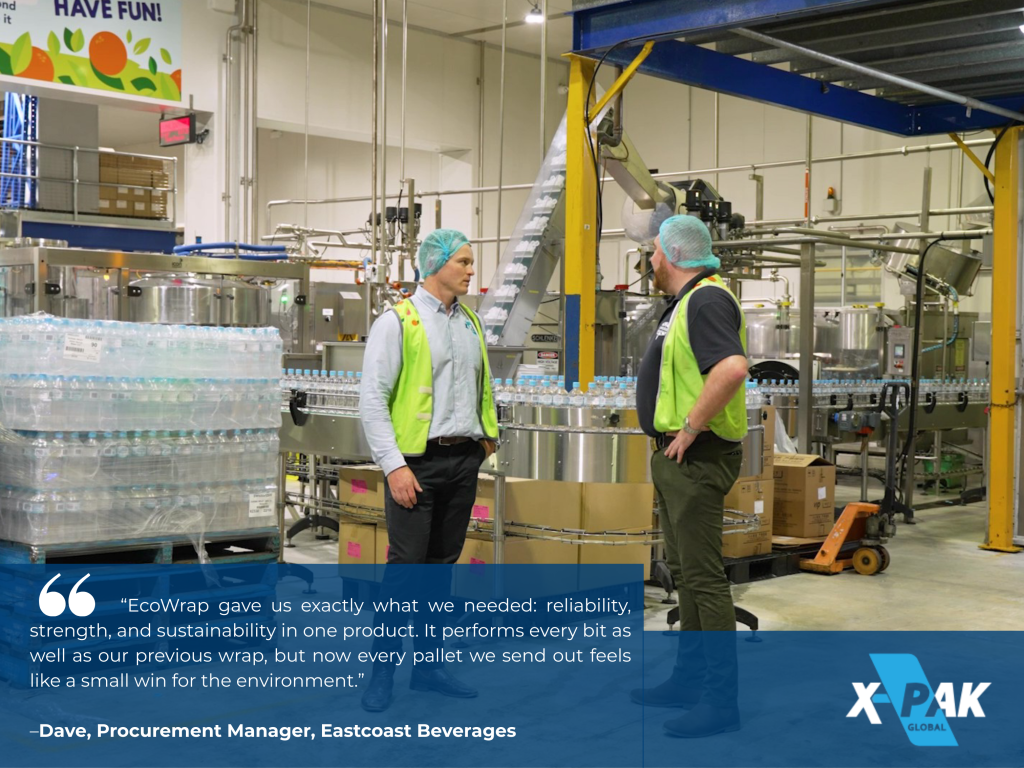
For Australian logistics operations, strapping isn’t just about keeping cargo in place — it’s about protecting people, products, and reputations. Choosing the correct strap type ensures load security, reduces injury risk, and helps you meet compliance requirements under the Chain of Responsibility.
Whether you’re working in warehousing, construction, manufacturing, or export, this guide will help you make the right strapping decision based on load type, handling conditions, and operational needs.
1. Start with the Load and Handling Environment
To identify the most suitable strap type, begin by assessing:
- Load weight and shape
- Amount of movement during transport
- Indoor or outdoor storage conditions
- Required long-term tension retention
- Whether strapping is manual or automated
A clear understanding of these factors prevents underperforming solutions and ensures your system supports both safety and operational efficiency.
2. Steel Strapping – For Maximum Strength and Static Loads
Steel strapping remains one of the strongest option available and is traditionally used for heavy, rigid materials such as:
- Metal ingots and steel coils
- Brick pallets
- Machinery with minimal flex or shift
Advantages:
- Highest rigidity of any strapping’
- Performs well under extreme temperatures
Considerations:
- Sharp edges increase injury risk when cut
- Heavier to handle, increasing fatigue and strain
- Disposal and environmental impact are greater
Steel is suitable for operations where maximum restraint is essential and handling safety can be closely controlled.
3. PET Strapping – Strong, Safe and Recyclable
Polyester (PET) strapping provides high tensile strength with significantly improved safety and handling. X-Pak’s PET strapping supports heavy loads, with break strains up to 1,530kg — comparable to steel — while weighing up to 80% less.
Applications:
- Timber products
- Export pallet loads
- Materials that compress or settle during transport
Advantages:
- Safer to handle with no sharp edges
- Excellent tension retention over long hauls
- Fully recyclable and weather-resistant
PET strapping supports operational efficiency while meeting growing sustainability goals.
4. Composite Strapping – For Dynamic Loads and Harsh Conditions
Composite strapping uses coated polyester fibres, offering excellent durability and impact absorption — ideal for cargo that shifts during transit or is exposed to challenging conditions.
Ideal for:
- Construction materials
- Pipes and irregular bundles
- Freight exposed to outdoor storage or moisture
Advantages:
- Rated the same strength as steel
- Shock-absorbent and non-abrasive
- Resistant to corrosion and UV exposure
- Compatible with tensioners and buckle systems
Composite strapping is commonly used in field conditions, particularly where simplified tooling and safety are priorities.
5. Poly Woven Strapping – Flexible and Reusable
Poly woven strapping is manufactured by weaving polyester filaments together to create a flexible and reusable strapping solution.
Common uses:
- Timber packs
- Bulky or irregular cargo
- Long-haul freight where loads settle or expand
Advantages:
- Tear-resistant under pressure
- Reusable across multiple consignments
- Suited for loads where traditional strap types may cut or mark product surfaces
When paired with phosphate buckles and heavy-duty tensioners, woven strapping provides a secure solution without over-restraining flexible cargo.
6. Use the Right Tools for the Right Strap
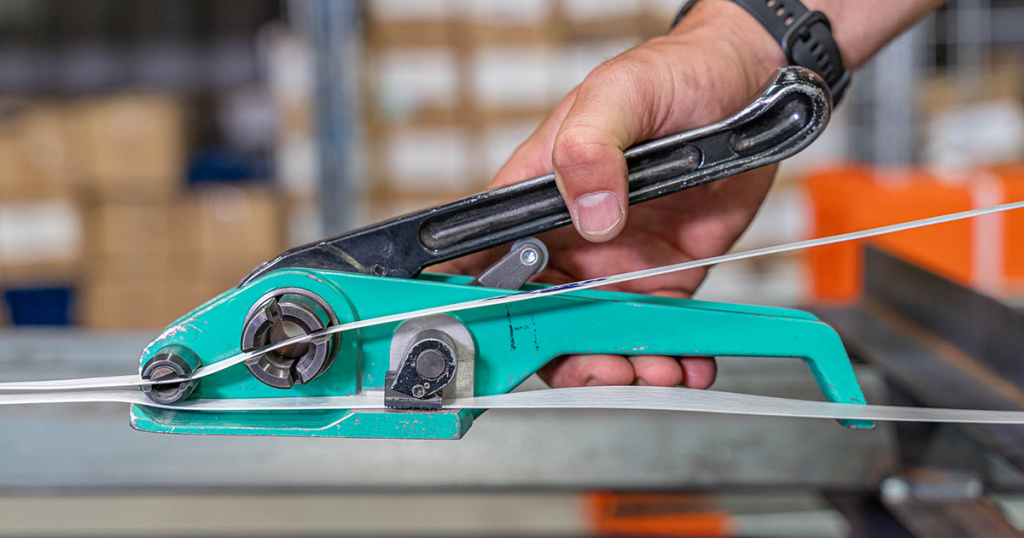
Choosing the correct strapping material is only part of the solution — performance depends on using compatible tools. At X-Pak, we supply a full range of strapping tools tailored to PET, composite, and poly woven systems.
Our product range includes:
- Manual and battery-operated tensioners
- Wire buckles and serrated seals
- Integrated tension-and-cut units
- Dispensers and strapping carts
Selecting the correct tools reduces downtime, improves consistency, and helps your operators work safely and efficiently.
7. Safety and Environmental Responsibility
Load restraint is as much about safety as it is about performance. Each strap type impacts your environmental footprint and workplace risk profile:
- PET and composite strapping are recyclable and safer to handle
- Poly woven strapping is reusable and resistant to tearing
- Steel strapping poses greater injury risks and waste volume
Meeting safety targets and reducing environmental impact is easier when your strapping system aligns with your operational goals and Australian industry standards.
Quick Comparison – At a Glance
| Strap Type | Best For | Key Benefits | Things to Consider |
| Steel Strapping | Static heavy loads | Highest strength, heat-resistant | Injury risk, weight, and disposal impact |
| PET Strapping | Heavy pallets, export loads | Safer, strong, recyclable | Often requires battery tensioning tools |
| Composite Strapping | Dynamic or outdoor freight | Shock-absorbent, corrosion resistant | Slightly higher cost than PP alternatives |
| Poly Woven Strapping | Reusable or flexible cargo | Flexible, reusable, tear-resistant | Not ideal for sharp-edged goods |
Get Expert Help with Strap Selection
X-Pak has over 30 years of experience helping Australian businesses select compliant, cost-effective strapping solutions. We understand the specific challenges faced by different industries, transport modes, and load types — and we offer free onsite assessments to guide you in choosing the right product.📞 Call us on 1300 551 281
🧰 Request a Free Sample or Onsite Demo