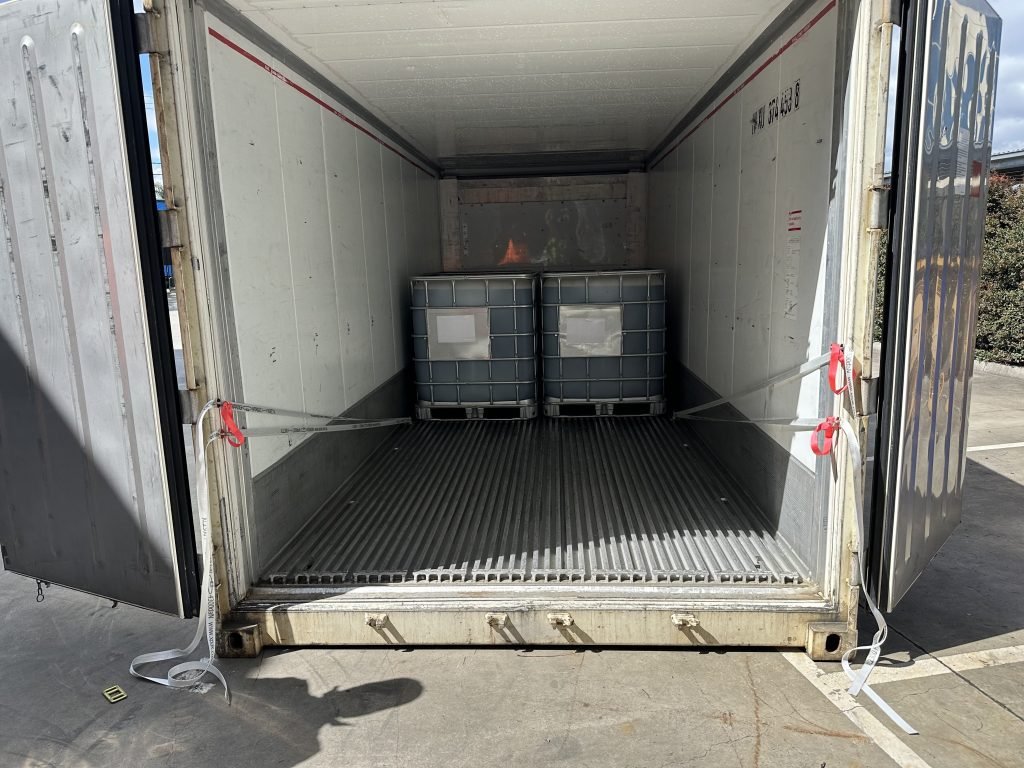

While most businesses focus on strapping, wrapping, and dunnage for protecting goods, one often-overlooked but critical component is the humble ply board. Used correctly, packing grade ply plays a key role in freight stability support, helping businesses reduce product damage, improve load integrity, and meet safety compliance standards.
Whether you’re moving full loads (FTL) in containers or stacking pallets on trailers, incorporating load restraint ply can make all the difference between a successful delivery and costly damage claims.
How Ply Board Supports Freight Stability
At its core, freight stability support is about minimising unwanted load movement during transit. Trucks, rail, and sea containers are all vulnerable to shifting, bouncing, and vibration — all of which can destabilise stacked goods. Ply board offers a simple, cost-effective method to counteract these risks.
Here’s how it helps:
- Distributes weight evenly when double-stacking pallets
- Prevents damage from pallet bases rubbing or crushing goods below
- Minimises friction between stacked items, especially with pallet slip sheets
- Acts as a load divider, separating products to improve handling and unloading
- Supports load restraint systems by helping keep cargo compact and immobile
At X-Pak, we consider container plywood a vital component of our broader approach to container load restraints. It works alongside strapping, wrapping, and anti-slip products to create a secure, compliant load.
Common Applications of Ply Board in Transport
Ply board is commonly used between layers of stacked pallets, particularly when transporting:
- Packaged food and beverage products
- Consumer goods on mixed pallets
- Cartons with fragile or irregular loads
- Bagged or boxed agricultural products
- General cargo in full truck or container loads
It’s also frequently used as a side-by-side separator between rows of pallets. This method reduces friction between pallets and allows for smoother loading and unloading, particularly important in high-turnover operations.
If you’re looking to enhance freight stability support, ply board should be part of your standard operating procedure.
Why Thickness Matters: Choosing the Right Packing Grade Ply
There’s no one-size-fits-all answer when it comes to packing grade ply. Your selection should balance strength versus weight, and account for how many sheets are used per load.
At X-Pak, we’ve found that 7mm load restraint ply is a common and practical choice. It’s strong enough to handle pressure from stacked pallets, yet light enough to avoid excessive freight weight penalties. For example, 18 sheets at 10kg each adds 180kg to your load — something to consider in weight-sensitive applications.
Need a hand choosing the right thickness? Our team can assist through free site assessments.
When Not to Use Ply Board: Special Considerations
While ply is widely useful, there are cases where alternatives like plastic slip sheets or anti slip mats are more suitable:
- Raw food transport: Splinters or fibre from ply can contaminate food-grade goods such as grains or bulk powders.
- High-humidity environments: Moisture can compromise ply strength unless treated.
- Reusable packaging systems: In closed-loop or export settings, reusable solutions like plastic slip sheets may be preferred.
That’s why freight stability support is never just about the product — it’s about matching the right material to the right application. And that’s where X-Pak comes in.
Ply Board vs Alternatives: Which is Right for You?
Let’s compare ply board with other common stabilising materials:
| Material | Best Use Case | Pros | Considerations |
| Ply Board | Stacked or row-separated pallets | Strong, cost-effective, recyclable | Not food safe, adds load weight |
| Plastic Slip Sheets | Food products, export, reuse | Lightweight, hygienic, reusable | Less rigid, higher initial cost |
| Anti Slip Mats | Pallets on trailers/containers | Prevents shifting, adds friction | Must be paired with other restraints |
A tailored combination of materials usually provides the best freight stability support.
Enhancing Ply Board with Load Restraint Systems
Using container plywood in isolation is not enough to ensure safe transport. X-Pak recommends pairing it with:
- Load restraint systems using compliant strapping
- Pallet strapping tools for proper tension and lock
- Anti slip mats to reduce base movement
- Container load restraints for sea freight and rail applications
Together, these components work as a system — keeping your goods protected and your operations compliant with Chain of Responsibility (CoR) obligations.
X-Pak’s Freight Stability Solutions
At X-Pak, we supply load restraint ply in truck-optimised sizes (e.g. 2300mm x 1100mm x 7mm) in bulk packs for maximum cost efficiency. Our products are designed with real-world logistics in mind — lightweight, high-performing, and readily available across Australia.
Whether you’re handling warehousing, regional transport, or export logistics, our freight team can recommend a tailored setup that includes ply, plastic slip sheets, anti slip mats, and full restraint systems.
Book Your Free Site Visit Today
Not sure whether ply board, slip sheets, or another solution is right for you? We’ll assess your current freight handling system and provide a practical plan for improving freight stability support across your fleet.
✅ Free samples
✅ Staff training and compliance guidance
✅ Fast delivery, Australia-wide📞 1300 551 281
🌐 www.xpak.com.au
📧 info@xpak.com.au