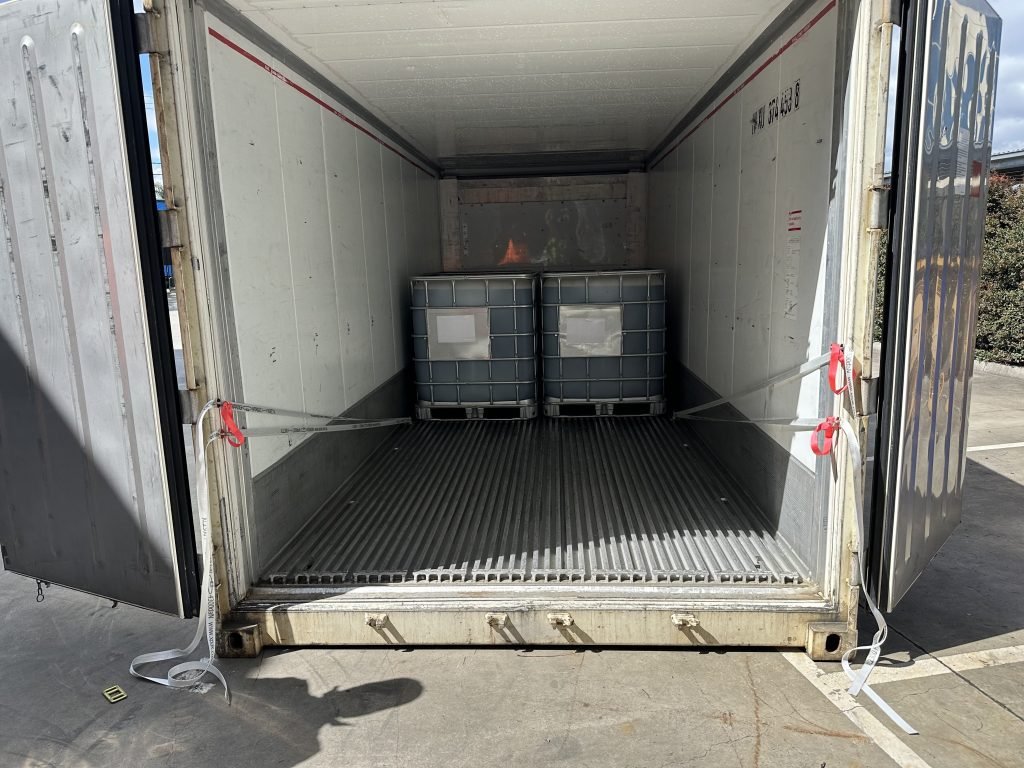
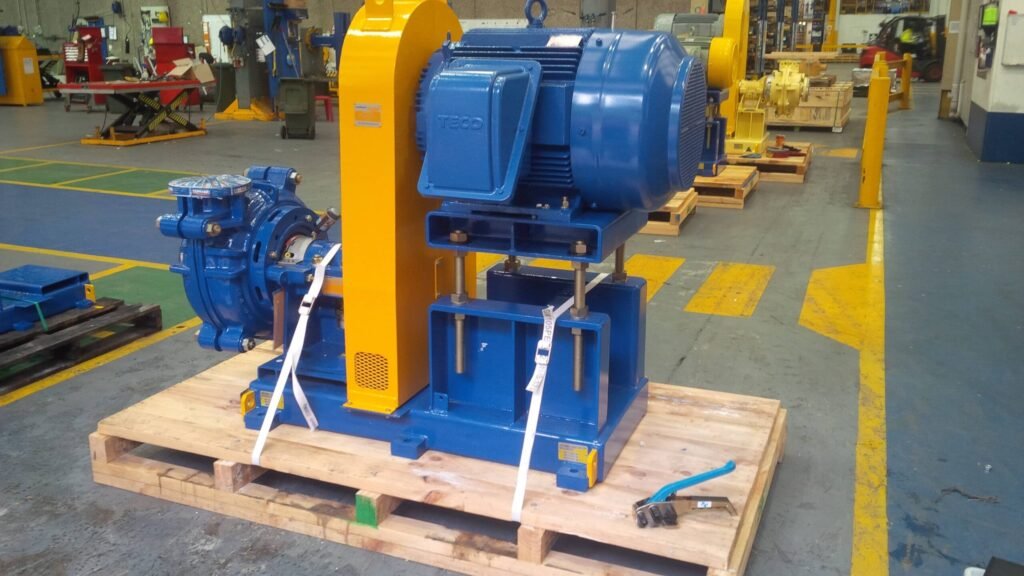
Many packers around Australia find more oversized machinery items complex and cumbersome to secure with traditional ratchet straps or chains. Often the lashing points are in hard-to-access spaces, and securing the loads is difficult.
Whether transporting vehicles or factory equipment, heavy machinery can be costly to transport; therefore, any damage to the cargo in transit should be avoided. That’s why it’s crucial to ensure that the correct cargo securing equipment is used with compliant lashing straps.
The X-Pak Cargo-Lash container lashing system will ensure that your cargo is secured efficiently and effectively.
Here are some of the challenges it can address in the shipment of heavy machinery:
Container Balance
Containers filled with heavy machinery can quickly become unbalanced if the equipment inside isn’t well-positioned and tightly secured with lashings that can handle the weight of the machinery. If the machinery’s container is unbalanced, it risks toppling when stacked.
Securing machinery inside containers can be complex and intensive, requiring numerous straps to ensure the machinery is anchored correctly.
To satisfy inspections by marine surveyors, a certain amount of lashing is required for heavy equipment transported in containers to minimise the risk of load shift.
Sufficient Pre-tension
When transporting heavy machinery, the sheer weight of the cargo can put immense strain on the lashings used to secure it. The cargo is at risk of load movement and damage if these lashings are not tightened sufficiently.
Tightening with traditional ratcheting straps can be very difficult, especially in tight spaces like those inside a shipping container. Getting enough leverage at the right angle to pull the strap tight can be difficult. Moreover, tightening straps by hand may not be enough to counter the immense weight of heavy machinery.
The X-Pak Cargo-Lash system uses a manual or battery-operated tensioning device to ensure maximum tension of the lashings, preventing cargo movement.
Customers Comments:
Our X-Pak Cargo-Lash system is exceptionally well-suited to this complex work. According to customers we have spoken to across Australia, our unique lashing system is ideal.
Here are some comments from our satisfied customers:
“Our surveyor told me the lashing points are only rated to 2 tonnes, so there is no need for us to use chains.”
“I just love that we can secure a whole machine with 1 roll, not 20 ratchet straps!”
“Your export lashing has saved me about 40% in cost and probably more than that with time.”
For more information on our cargo securing equipment with compliant lashing straps, visit our export container lashing systems page or call 1300 551 281 today.