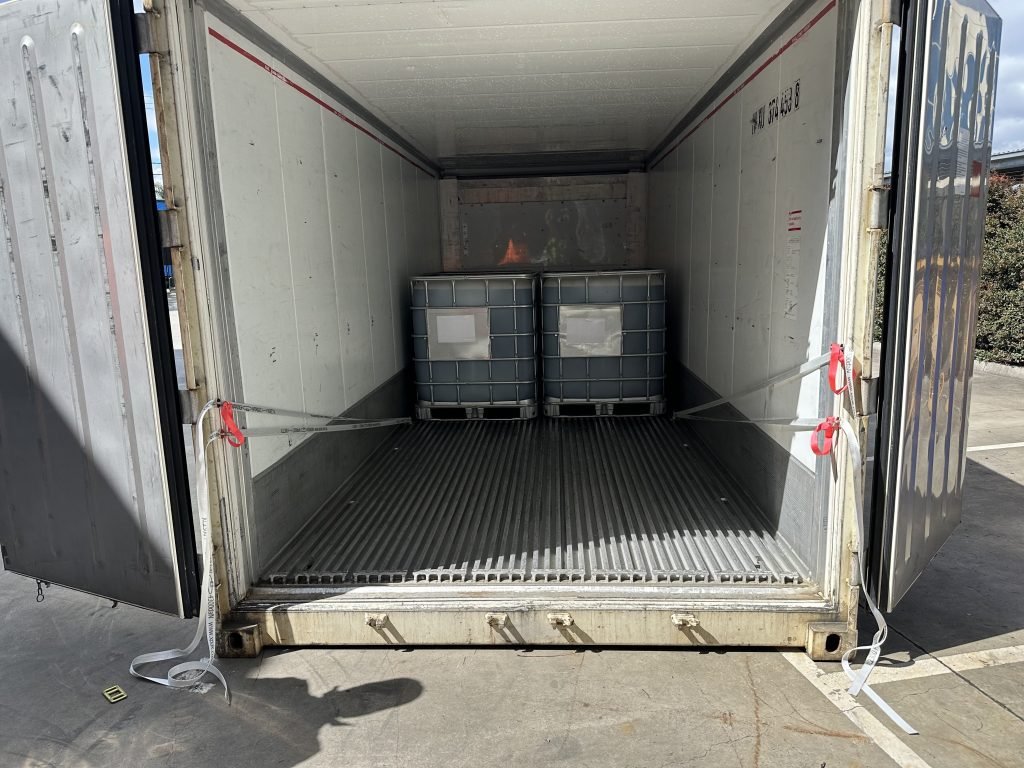

When it comes to securing freight for safe transit, there’s no one-size-fits-all solution. Different load types, freight conditions, and modes of transport require tailored restraint methods. Two of the most common tools in any transporter’s arsenal are cargo bars and load straps — each playing a distinct role in protecting freight from damage. But when should you use one over the other?
This guide explores the pros, limitations, and ideal applications of both options to help you make the right load securement choice for your operations.
What Are Cargo Bars?
Often referred to as shoring bars, container cargo bars, or ratchet cargo bars, these devices are rigid steel or aluminium rods that brace against the internal walls or floor and ceiling of trailers and containers.
They are typically used in:
- General freight trailers
- Shipping containers
- Trucks and vans
Cargo bars work by applying outward pressure to hold position between two fixed surfaces. This creates a brace that prevents pallets and loose goods from shifting during transit.
If your load securement choice is focused on stability in a static, confined space like a container, cargo bars offer simplicity and strength without the need for anchoring points.
What Are Ratchet Straps?
Ratchet straps — also known as load straps or tie-down straps — are flexible, heavy-duty polyester restraints with hooks or clips designed to secure cargo to anchor points in a truck or container.
They are widely used across:
- Road freight and heavy vehicles
- Machinery transport
- Agricultural and construction sectors
A load restraint bar secures rigidly, but ratchet straps offer versatility. Their high-strength webbing and ratchet mechanism allow for adjustable tension and adaptable fit — making them suitable for a broader range of load shapes and sizes.
If adaptability is your top priority, ratchetstraps may be the better load securement choice.
Cargo Bars: Pros and Considerations
Advantages:
- Quick and easy to install without tools
- Ideal for use in cabins or containers without tie-down points
- Can separate or brace entire rows of cargo
- Prevents load shifting in confined transport environments
Considerations:
- Not suitable for irregular or soft freight
- Can lose grip on uneven or slippery surfaces
- Best used in combination with other container load restraints or packaging methods
A container cargo bar is particularly useful for keeping palletised goods or cartons in place during city deliveries or warehouse transfers. It’s a smart load securement choice for stable, boxed-in freight.
Ratchet Straps: Pros and Considerations
Advantages:
- Highly versatile and adaptable
- Adjustable tension control for delicate or robust loads
- Compatible with tie-down anchor systems
- Suitable for land, sea, and air transport
Considerations:
- Requires anchor points for installation
- May need extra training for proper tensioning
- Can damage cargo if over-tightened or used incorrectly
- Quality and strength varies
Ratchet straps are often part of integrated cargo restraint systems on flatbeds, utes, and curtain-side trailers. They are a strong load securement choice when flexibility, precision, and high tension retention are required.
Key Differences at a Glance
| Feature | Cargo Bars | Ratchet Straps |
| Type | Rigid steel or aluminium bar | Flexible polyester webbing |
| Application | Inside containers, trailers | Across all transport modes |
| Installation | Pressure-fitted | Anchored with hooks or fittings |
| Flexibility | Fixed length, rigid | Adjustable tension and length |
| Load Type Suitability | Static, box-type cargo | Irregular, heavy, or mobile cargo |
| Ideal Use Case | Last-mile pallet retention | Long-haul and heavy load security |
Understanding these differences can help guide your load securement choice depending on your freight type, trip length, and handling requirements.
Can Cargo Bars and Ratchet Straps Be Used Together?
Absolutely. In fact, many fleets use them together to enhance truck load restraints. Cargo bars are excellent for bracing freight rows or supporting dunnage placement, while ratchet straps provide tensioned restraint around individual pallets or machines.
Pairing the two ensures added security and helps meet Chain of Responsibility (CoR) compliance requirements. A mixed-use system can also simplify driver workflows and reduce cargo movement-related claims.
X-Pak’s full range of container load restraints includes both options, as well as specialised fittings for shipping containers and curtain-siders.
Choosing the Right Load Restraint System
Your load securement choice should always consider the following:
- Type, weight, and fragility of goods
- Mode and duration of transport
- Available restraint points (e.g. floor rings, wall tracks)
- Industry regulations and standards (e.g. Load Restraint Guide 2025)
- Ease of use for your staff or drivers
Whether you need a heavy-duty shipping container restraint for export freight or a quick-deploy solution for city deliveries, X-Pak can recommend a system tailored to your needs.
Why Choose X-Pak for Restraint Solutions?
With over 30 years of experience in cargo restraint systems, X-Pak is Australia’s trusted partner for high-performance transport safety solutions. We supply:
- Cargo bars transport safety equipment
- Compliant ratchet cargo bars and shoring bars
- Heavy-duty ratchet straps, winches, and tie-down systems
- Integrated solutions for container load restraints and truck load restraints
- Free on-site assessments and driver training
We understand the complexity of Australian freight logistics — and we’re here to simplify your load securement choice with custom advice and fast, national delivery.
Need Help Deciding?
Don’t leave transport safety to guesswork. Book a free consultation with X-Pak today and get expert advice on the best load securement choice for your fleet, industry, and cargo type.📞 1300 551 281
🌐 xpak.com.au
📧 info@xpak.com.au